


See exactly what a professional HVAC tune-up covers in Sarasota Springs, from coil cleaning and electrical testing to drain line service and refrigerant checks.
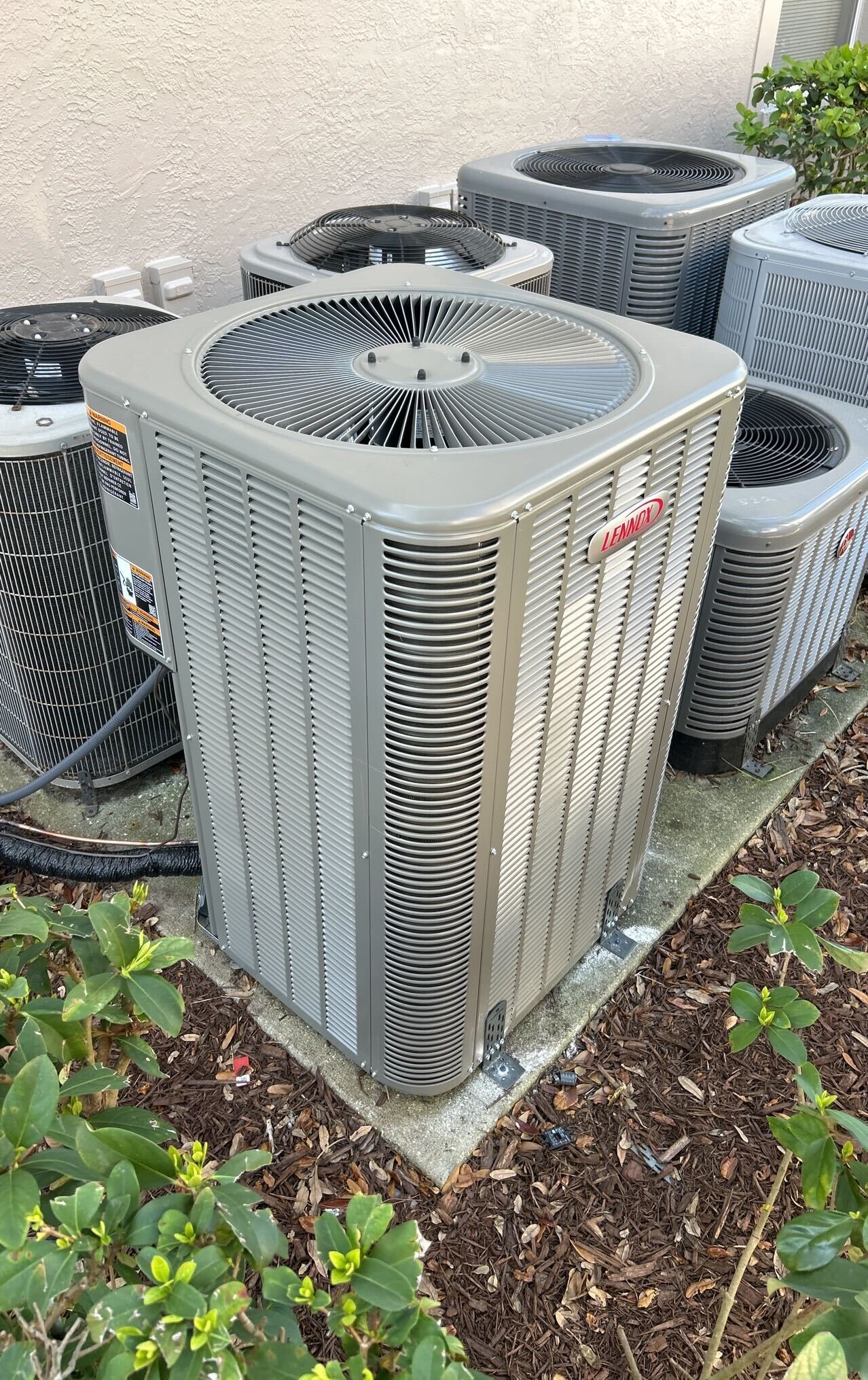
Your HVAC system works hard to keep your Sarasota Springs home comfortable in the hot Florida climate. When a technician comes for maintenance, they follow a specific set of steps to make sure everything runs smoothly. During an HVAC maintenance visit, a trained technician inspects, cleans, and tests your heating and cooling equipment to prevent breakdowns and keep it running efficiently.
Most homeowners don't know what actually happens during these service calls. A typical visit includes checking refrigerant levels, testing electrical connections, and cleaning important parts like coils and drain lines. These tasks help your system use less energy and last longer.
Florida's heat and humidity put extra stress on air conditioning systems. Regular maintenance catches small problems before they turn into expensive repairs and keeps your home cool when you need it most.
What happens during an HVAC tune-up in Sarasota Springs follows a structured sequence that starts with the electrical system and ends with a full performance test. A proper annual inspection covers every component that keeps your system cooling, heating, draining, and circulating air the way it should.
In this article, you will learn about:
Keep reading to see exactly what a technician checks, cleans, and tests during a service visit, so you can tell the difference between a thorough tune-up and a rushed one.
Florida's climate demands specific maintenance steps that address high humidity, salt air exposure, and year-round cooling demands. Technicians follow structured protocols to verify electrical safety, refrigerant performance, airflow quality, and dual-mode system functionality.
Technicians test all electrical connections, contactors, and capacitors during every tune-up. Loose wiring creates resistance that generates excess heat and raises your energy bills. Florida's humidity accelerates corrosion on terminals and connection points.
Your capacitor stores the electrical charge needed to start your compressor and fan motors. A failing capacitor forces your system to work harder and often leads to complete breakdowns during peak cooling season. Technicians measure capacitance levels with specialized meters to catch degradation before failure occurs.
Contactor inspection includes checking for pitting, burning, or wear on the contact points. These components switch high-voltage power to your compressor and can weld shut or fail to engage properly. Voltage and amperage readings verify your system draws appropriate power under load. High amperage often signals mechanical problems or refrigerant issues that need immediate attention.
Your AC system requires precise refrigerant levels to cool efficiently. Technicians measure both pressure and temperature at specific points in your system. They calculate the temperature split between your supply and return air, which should typically fall between 15 and 22 degrees.
Low refrigerant indicates a leak somewhere in your system. Adding refrigerant without fixing the leak wastes money and damages the environment. Technicians use electronic leak detectors and UV dye to locate small leaks in your coils, line sets, and connections.
Overcharged systems cause high head pressure and reduced efficiency. Your compressor works harder and consumes more electricity when refrigerant levels exceed factory specifications. This is why refrigerant is checked last in a proper diagnostic sequence. Airflow and electrical issues must be ruled out first, because adding or removing refrigerant while those problems exist creates inaccurate readings and can damage the compressor.
Your evaporator coil removes both heat and moisture from indoor air. Salt air and dust create stubborn buildup that blocks airflow and reduces cooling capacity. Technicians clean coils with specialized solutions that break down debris without damaging the aluminum fins.
Condenser coils face constant exposure to pollen, dirt, and salt spray in Florida. Blocked condenser coils prevent heat rejection and cause your system to overheat. Professional cleaning restores proper heat transfer and extends compressor life.
Critical airflow measurements include:
Your drain line removes condensate generated during cooling. Florida's humidity produces substantial water that must drain freely. Technicians flush drain lines with treatment solutions to prevent blockages that cause water damage.
Technicians run your system through complete cooling cycles to verify performance. They measure supply air temperature, return air temperature, and outdoor ambient conditions. Your system should reach setpoint within a reasonable timeframe without short cycling.
Heating mode testing verifies your heat pump reverses properly or your heat strips activate when needed. Even though Florida winters are mild, your backup heat prevents uncomfortable mornings when temperatures drop. Technicians test safety switches, sequencers, and contactor operation specific to heating mode.
Thermostat calibration ensures accurate temperature readings and proper system communication. Smart thermostats require verification of WiFi connectivity and programming schedules. Technicians test both manual operation and automatic mode changes to confirm reliable switching between heating and cooling.
Dirty coils and restricted airflow reduce your HVAC system's ability to cool your home and remove humidity. These problems also force motors and other parts to work harder, which shortens equipment life.
Your HVAC coils transfer heat from inside your home to the outside air. When dust, pollen, and debris build up on the coils, they can't transfer heat as well. This means your system struggles to cool your home even when running constantly.
The buildup acts like a blanket over the coils. It blocks airflow and prevents the refrigerant inside from doing its job. Your air conditioner may run longer cycles but produce less cool air.
Dirty coils also hurt humidity control. The evaporator coil normally removes moisture from the air as it cools. When the coil is covered in grime, it can't pull out as much humidity. You'll notice the air feels sticky and uncomfortable, even when the temperature seems right.
Energy bills go up because your system works harder to achieve the same results. The ENERGY STAR Maintenance Checklist specifies that dirty coils reduce a system's ability to cool the home and cause it to run longer, increasing energy costs and shortening equipment life, which is why coil cleaning is a standard part of every professional tune-up. A clean and tune service includes coil cleaning to restore proper heat transfer.
Poor airflow makes your blower motor work overtime. The motor has to push harder to move air through clogged coils and dirty filters. This extra strain generates more heat inside the motor housing.
Motors running hot wear out faster. Bearings break down, windings overheat, and components fail sooner than they should. Your system may develop loud grinding or squealing sounds, which is often a sign of a noisy blower that needs attention before the motor fails completely.
The compressor also suffers when airflow drops. It relies on proper air movement across the condenser coil to stay cool. Without enough airflow, the compressor overheats and can fail. Compressor replacement is one of the most expensive HVAC repairs.
Your entire system loses years of useful life when airflow stays restricted. That's a large part of why AC equipment breaks down faster in Sarasota than in most of the country.
Sarasota Springs has high humidity year-round. Moisture in the air makes coils sticky, and sticky surfaces trap more debris. Dust and pollen stick to damp coils much faster than they would in dry climates.
Organic growth develops easily on wet coils. These buildups create thick, slimy layers that block airflow. They also produce unpleasant odors that blow through your vents, which is often the first sign of a broader indoor air quality issue.
Salt air from nearby coastal areas adds another layer of buildup. Salt particles corrode metal fins and combine with other debris to form stubborn deposits. Your coils can go from clean to heavily coated in just a few months of operation.
Your home takes longer to cool down when airflow drops. Rooms that used to reach comfortable temperatures quickly might take much longer.
You may notice these warning signs:
Your thermostat might show the system running constantly without reaching the set temperature. The outdoor unit may cycle on and off rapidly or run without stopping. These patterns mean your system can't move enough air to work properly.
Florida's humid climate puts constant pressure on your HVAC system's drainage components, making regular maintenance critical to avoid water damage and system failures. Understanding how to maintain these lines and why they clog so frequently can save you from expensive repairs.
Your AC system removes moisture from indoor air constantly in Florida's climate. The condensation drains through a small PVC pipe that carries water away from your unit. This warm, damp environment creates ideal conditions for organic growth and bacteria inside the pipe. The EPA recommends keeping indoor humidity between 30 and 50 percent and notes that high humidity increases the likelihood of biological growth, which is exactly the condition a clogged drain line creates inside your system.
A thin layer of slime can form in just a few weeks during summer months. As this buildup thickens, it restricts water flow and eventually blocks the pipe completely.
Florida systems process much more moisture than AC units in drier climates. Your drain line handles several gallons of water each day during peak cooling season. This constant moisture exposure means clogs develop faster here than in other parts of the country. Having a technician clear the HVAC drain line during each service visit prevents the buildup from reaching that point.
Modern HVAC systems include a float switch installed in the drain pan. This device detects when water backs up due to a clogged drain line. When water reaches a certain level, the switch automatically turns off your AC system.
The safety shutoff protects your home from flooding and water damage. Without this feature, a blocked drain would cause water to overflow onto ceilings, walls, and floors. The repair costs from water damage typically exceed the cost of a routine drain flush by a wide margin.
Your system staying off is not a malfunction but a protective response. The AC will remain shut down until you clear the blockage and drain the excess water from the pan.
You can flush your drain line monthly using a simple process. Pour one cup of distilled white vinegar into the drain access point near your indoor unit. Let it sit for 30 minutes, then flush with a gallon of water.
Basic maintenance checklist:
Some homeowners install drain line tablets designed to prevent organic growth. Place these tablets in the drain pan according to package directions. They dissolve slowly and release cleaning agents that slow biological buildup.
Standard drain cleaners sold for sinks and toilets can damage HVAC components. These products contain caustic chemicals that corrode PVC pipes, metal drain pans, and rubber seals. The damage may not appear immediately but weakens these parts over time.
Bleach is too harsh for regular use in AC drain lines. While it kills organic growth effectively, repeated exposure causes brittleness in PVC pipes and degrades the drain pan coating. A small amount occasionally won't cause problems, but frequent bleach treatments will shorten your system's lifespan.
Stick with mild solutions like distilled vinegar or products specifically labeled for HVAC drain lines. These options clean effectively without causing corrosion or voiding your equipment warranty.
Most HVAC systems need professional tune-ups twice per year to maintain efficiency and prevent breakdowns. Spring and fall timing aligns with the natural shift between cooling and heating demands, while early scheduling helps you avoid peak-season price surges and emergency repairs.
Your HVAC system works hardest during two distinct periods: summer cooling and winter heating. Each mode puts different stress on specific components, which is why a single annual tune-up isn't enough. ENERGY STAR notes that dirt and neglect are the leading causes of heating and cooling system failure, and recommends scheduling a cooling checkup in the spring and a heating checkup in the fall before contractors get busy.
Spring maintenance prepares your air conditioning for the high temperatures ahead. The technician checks refrigerant levels, cleans coils, and tests electrical connections that handle cooling loads. Fall service shifts focus to heating components like heat strips, heat pump reversing valves, and defrost cycles.
This twice-yearly schedule catches wear and tear before minor issues become major problems. Dust buildup, loose connections, and refrigerant leaks develop gradually throughout each season. Waiting a full year between services gives these problems more time to damage your system or cause a complete failure.
Scheduling your tune-up during peak demand creates several problems. HVAC companies get flooded with calls when temperatures hit extremes, which means longer wait times for service appointments.
You might wait several days or even weeks for a technician during June or December. That delay leaves you without reliable heating or cooling when you need it most. Emergency service during these busy periods also costs more than routine maintenance appointments.
Peak season also reduces the quality of service you receive. Technicians rushing between multiple emergency calls have less time for thorough inspections. They focus on getting your system running again rather than identifying problems that could cause future breakdowns.
Regular tune-ups identify small problems before they cause system failures. A technician can spot a struggling capacitor, low refrigerant, or restricted airflow during routine service.
Replacing a worn part during a scheduled visit costs a fraction of what the same repair runs as a weekend emergency. Low refrigerant detected early requires a leak repair and recharge. Ignoring it forces your compressor to work harder, potentially causing a failure that turns a moderate repair cost into a major replacement.
Early detection also prevents uncomfortable breakdowns. Your system won't fail on the hottest day of summer or the coldest night of winter because the technician already addressed potential failure points.
Maintenance plans bundle your twice-yearly tune-ups at a reduced rate. The annual plan cost is typically less than paying for two separate service calls.
These plans typically include priority scheduling, which means you get appointments faster than non-members. You also receive discounts on repairs and reduced or waived diagnostic fees.
Plans lock in your maintenance schedule automatically. The company contacts you when it's time for your next tune-up, so you don't have to remember to call. This automatic scheduling helps you stay on track with preventive care and avoid the peak-season rush.
Members often receive extended warranties on parts and labor. This coverage protects you from unexpected repair costs and gives you peace of mind throughout the heating and cooling seasons.
A proper HVAC tune-up in Sarasota Springs is not a quick filter swap and a glance at the thermostat. It is a structured sequence that starts with tightening electrical connections and measuring capacitor health, moves through coil cleaning and airflow verification, clears the condensate drain line, checks refrigerant pressures only after everything else is confirmed, and finishes with a full-cycle performance test in both cooling and heating modes. Each step builds on the one before it, and skipping any of them leaves a gap that can turn into a breakdown weeks later when the system is running at full demand.
The reason twice-yearly service matters here more than in most markets is that Florida's heat, humidity, and salt air compress the timeline on everything. Coils that would stay clean for a year in a northern climate coat over in months. Drain lines that flow freely in dry weather clog in weeks during peak humidity. Capacitors rated for years of service degrade faster under constant load and high ambient temperatures. A spring visit before the summer workload and a fall visit before the brief heating season are the minimum intervals that keep these problems from outpacing you.
When you want a tune-up that covers every step on the checklist and not just the ones that are fast and easy, Gary Air sends an experienced technician who schedules enough time to do the job right. As a family-owned, veteran-owned, locally owned company, Gary Air stands behind every service visit and will tell you straight what your system needs, what can wait, and what to watch between visits. Reach out and get your next tune-up on the calendar while scheduling is still open.





.avif)

