


When an air conditioning system breaks down during a hot Sarasota day or a heater fails on a cold night, homeowners need help fast. Several local HVAC companies offer 24/7 emergency repair services in Sarasota to restore comfort quickly when heating or cooling systems fail unexpectedly.
These services handle urgent problems that can't wait until regular business hours.
Knowing when to call for emergency repair and what to expect from the service can help homeowners make smart decisions during stressful situations. Not every HVAC problem requires immediate attention, but some issues can damage equipment or create unsafe conditions if left unaddressed. Understanding the difference helps homeowners respond appropriately.
This guide covers what counts as a true HVAC emergency, how to handle these situations, and why working with trained professionals matters. It also explains common problems that need urgent fixes, ways to prevent emergencies before they happen, and what the repair process looks like from start to finish.
Here’s what you need to know:
Keep reading! IYou’ll learn how to manage emergency HVAC repair Sarasota needs, from fast safety checks and DIY triage to choosing 24-hour service and preventing repeat failures.
In Florida's hot climate, certain HVAC problems require immediate attention to protect both property and health. A Sarasota HVAC emergency typically involves complete system failure, safety hazards, or conditions that make indoor spaces dangerous or unlivable.
When an HVAC system stops working entirely, it counts as an emergency in Sarasota. This means no cooling or heating output at all, not just reduced performance.
A total loss of air conditioning during summer heat can push indoor temperatures above 90 degrees within hours. The humidity makes it feel even worse. Homes become uncomfortable quickly, and vulnerable people face real health risks.
Complete heating failure matters less often in Florida, but cold snaps do happen. More importantly, a system that won't turn on at all often signals a serious electrical problem or major mechanical breakdown. These issues won't fix themselves and tend to get worse when ignored.
Burning smells, sparking sounds, or visible smoke from an HVAC unit require immediate attention. These signs point to electrical failures that could start a fire.
Repeated circuit breaker trips indicate the system is drawing too much power. This often means failing components that pose a fire hazard. Any exposed or damaged wiring near the unit also creates serious risks.
For homes with gas furnaces, the smell of gas near the HVAC system is always an emergency. Strange clicking sounds from the gas valve or yellow pilot light flames instead of blue ones suggest incomplete combustion. This can release carbon monoxide into the home.
The Centers for Disease Control and Prevention (CDC) warns that carbon monoxide from malfunctioning fuel-burning equipment can accumulate indoors and cause sudden illness or death; CDC recommends properly maintained appliances and working CO alarms.
Refrigerant leaks also count as emergencies. The hissing sound or ice buildup on refrigerant lines means the system is losing cooling capacity and may damage itself further.
Indoor temperatures above 85 degrees with high humidity create dangerous conditions in Sarasota homes. Children, elderly residents, and people with health conditions face the highest risks from extreme heat.
According to the National Weather Service (NOAA), heat is the leading weather-related killer in the U.S., and high temperature plus humidity rapidly overwhelms the body’s ability to cool—creating dangerous indoor conditions.
Heat exhaustion symptoms include dizziness, rapid heartbeat, and nausea. These can develop within a few hours in a hot, closed home. Pets also suffer quickly without adequate cooling.
Businesses face their own emergencies when HVAC failure threatens inventory, equipment, or customer safety. Restaurants, medical offices, and facilities with temperature-sensitive materials need immediate repairs to prevent losses.
When an HVAC system fails unexpectedly, homeowners need to act quickly but carefully to protect their system and maintain safety. Taking the right steps immediately can prevent further damage and help resolve issues faster.
The first action a homeowner should take is to turn off the system at the thermostat. This simple step prevents the system from cycling on and off repeatedly, which can cause additional damage.
Next, they should check the circuit breaker or fuse box. A tripped breaker often causes sudden system failures. If the breaker trips again after resetting it once, the homeowner should leave it off and contact a professional.
Homeowners should inspect the air filter next. A severely clogged filter restricts airflow and can cause the system to overheat or freeze up. Replacing a dirty filter may resolve minor issues immediately.
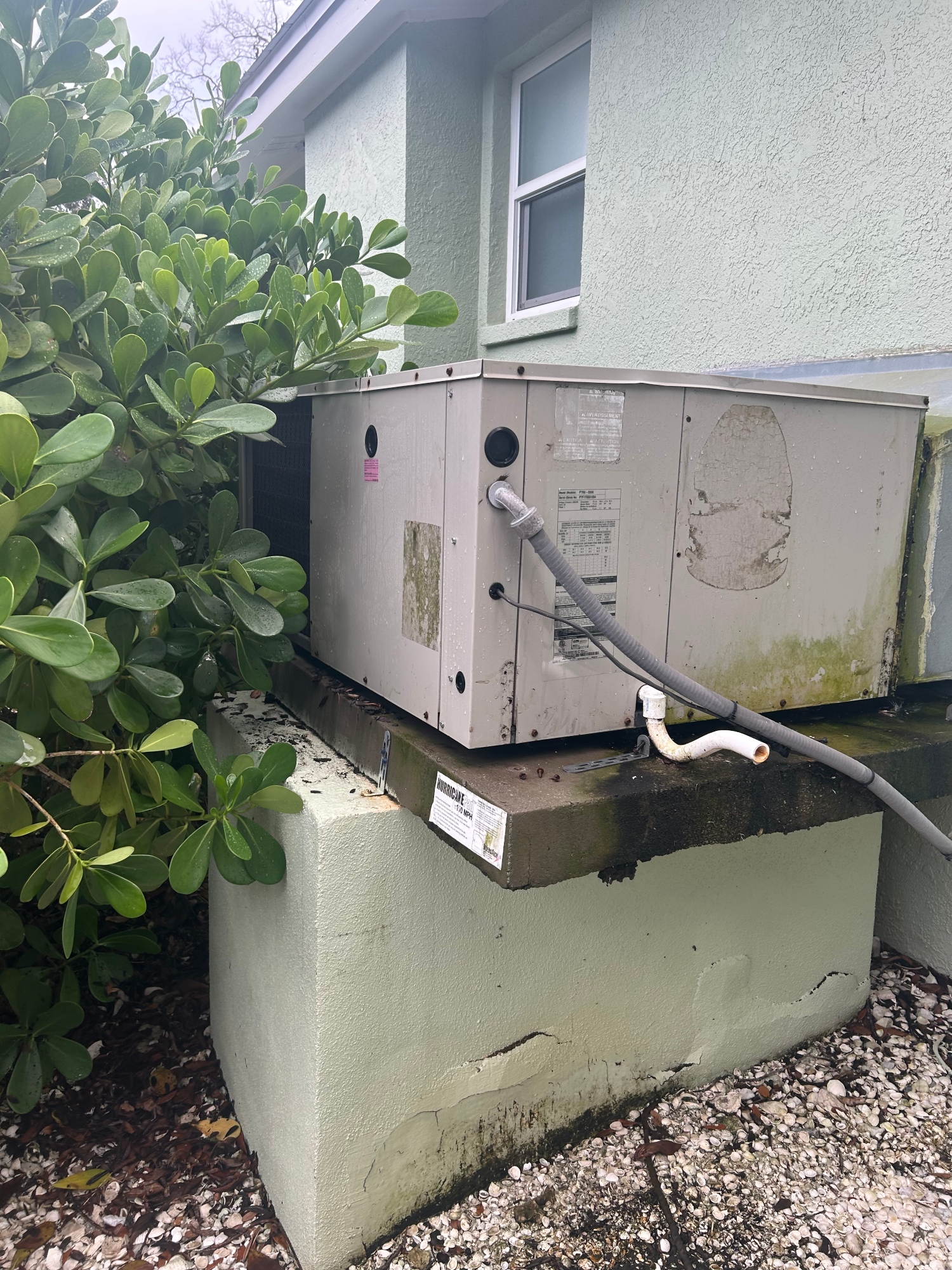
They should also examine the outdoor unit for visible problems. Debris, ice buildup, or damaged components are common issues. Clearing away leaves, grass, or other obstructions around the unit helps restore proper airflow.
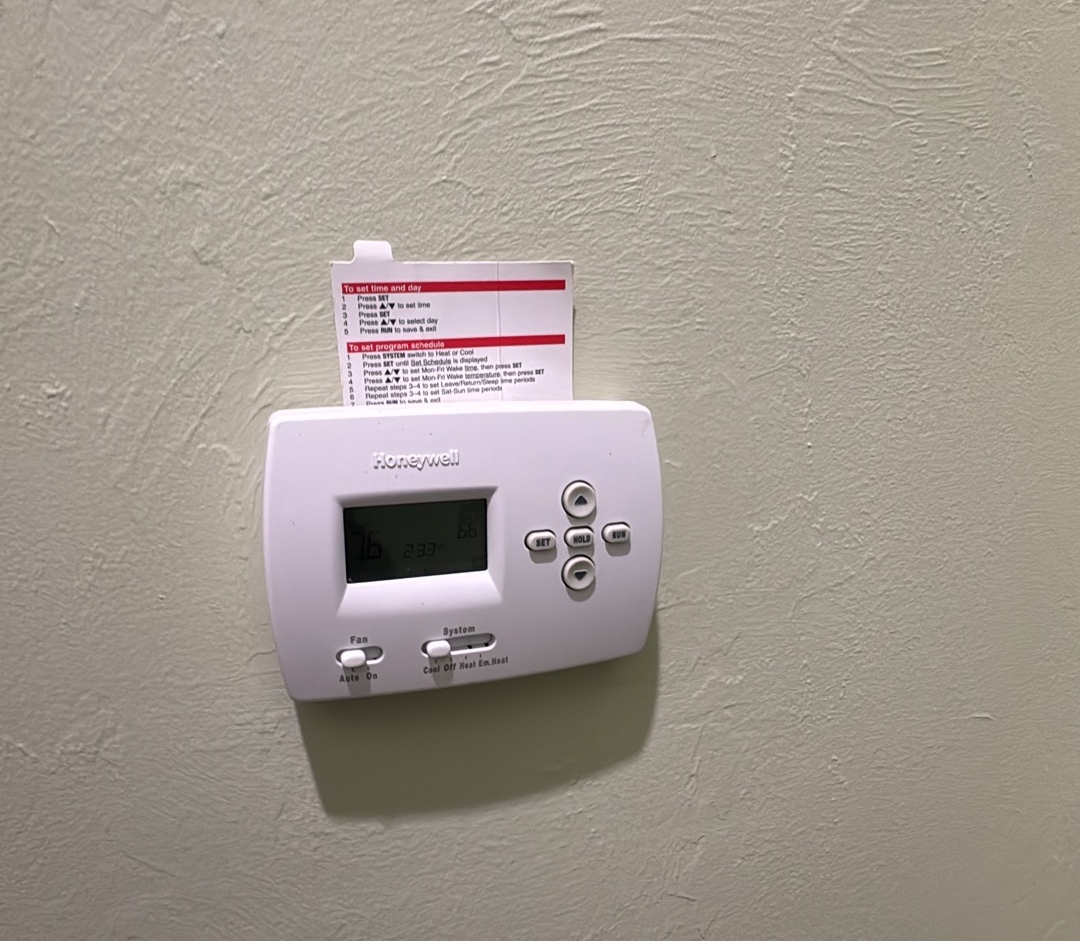
Checking the thermostat settings and batteries is another basic troubleshooting step. The thermostat might be set incorrectly or need fresh batteries.
Homeowners must prioritize safety above all else during HVAC emergencies. If they smell gas, they should evacuate immediately and call the gas company from outside the home.
According to the U.S. Department of Transportation’s Pipeline and Hazardous Materials Safety Administration (PHMSA), if you suspect a natural gas or pipeline leak, leave the area immediately, avoid using electrical switches/phones/vehicles nearby, and call your gas utility or 911 from a safe location.
Electrical hazards require serious attention. Anyone who notices sparks, burning smells, or exposed wiring should shut off power to the unit at the main electrical panel. They should never attempt electrical repairs themselves.
Water leaks around the HVAC system can create slip hazards and electrical dangers. Homeowners should turn off the system and place towels or containers to catch water until help arrives.
They should avoid touching any system components if ice has formed on the unit. Ice indicates serious problems that require professional attention.
Key safety rules:
While waiting for professional help, homeowners can take steps to maintain some comfort. During heating failures in winter, they should close off unused rooms to concentrate warmth in main living areas.
Ceiling fans can help redistribute warm air trapped near the ceiling. Running fans on low speed in reverse pushes warm air downward.
For cooling emergencies in Sarasota's heat, homeowners should close blinds and curtains to block sunlight. They can create cross-ventilation by opening windows on opposite sides of the home during cooler hours.
Portable fans provide temporary relief but should never be left running unattended. Using damp towels or taking cool showers helps manage heat until repairs are complete.
Homeowners should avoid overworking the system by constantly adjusting the thermostat. This creates more strain and potentially worsens the problem.
Professional emergency HVAC services provide fast response times, accurate repairs, and protection against additional system damage. These benefits make the difference between a quick fix and costly future problems.
When an HVAC system fails during extreme weather, homeowners need help fast. Professional emergency HVAC services in Sarasota typically respond within two hours or less. This quick response prevents homes from becoming too hot or too cold.
Trained technicians arrive with the right tools and parts to handle most repairs on the first visit. They know how to work efficiently under pressure while maintaining quality standards. Many 24-hour HVAC repair companies complete fixes the same day they receive the call.
Regular HVAC companies might make homeowners wait days for an appointment. Professional urgent HVAC service Sarasota providers stay available around the clock, including weekends and holidays. Their technicians maintain proper licensing and certification to handle complex repairs safely.
Professional technicians identify the real cause of HVAC problems instead of just treating symptoms. They inspect key components systematically to find issues that less experienced workers might miss. This thorough approach prevents the same problem from happening again shortly after a repair.
Emergency HVAC professionals use specialized diagnostic tools to test system performance. They check refrigerant levels, electrical connections, and mechanical parts to determine what needs fixing. Their experience helps them spot warning signs of future failures during repairs.
Using quality replacement parts matters for long-term system performance. Professional services source reliable components that match manufacturer specifications. They also provide warranties on their work, giving homeowners protection if something goes wrong after the repair.
A small HVAC problem can quickly become a major expense without proper intervention. Professional emergency repairs stop minor issues from damaging other system components. For example, a refrigerant leak left unaddressed can burn out a compressor, which costs thousands to replace.
Incorrect DIY repairs or unqualified technicians often make problems worse. They might use wrong-sized parts, skip critical safety steps, or miss related issues. Professional 24-hour HVAC repair services follow proper procedures that protect the entire system.
Emergency professionals also identify safety hazards like gas leaks, electrical problems, or carbon monoxide risks. They take immediate action to protect residents from dangerous conditions. Their expertise helps homeowners avoid expensive secondary damage to walls, floors, or other parts of the home from HVAC malfunctions.
Some HVAC problems can wait for regular business hours, but others need immediate attention to protect your home and family. Complete system failures during extreme temperatures, serious refrigerant leaks, and compressor breakdowns all qualify as true emergencies.
A complete AC failure during hot summer months in Sarasota creates an urgent situation. Indoor temperatures can quickly climb above 90 degrees, putting elderly family members, young children, and pets at serious risk for heat exhaustion.
When an air conditioner stops working completely, it often points to electrical problems, a blown capacitor, or a burned-out compressor. These issues prevent the system from turning on or cooling the home at all.
Signs of a complete breakdown include:
High humidity levels add another layer of discomfort and danger. Without a working AC system, moisture builds up inside the home and can lead to mold growth within 24 to 48 hours.
A heating system that stops working completely requires emergency repair when outdoor temperatures drop below 55 degrees. Cold indoor temperatures can cause pipes to freeze and burst, leading to thousands of dollars in water damage.
Families with infants, elderly members, or people with health conditions face increased risks from prolonged cold exposure. The body loses heat faster than it can produce it in cold indoor environments.
Common causes of total heating failure include a broken ignitor, faulty gas valve, or failed blower motor. Sometimes a tripped circuit breaker or blown fuse causes the problem, but other times the issue requires professional repair.
Refrigerant leaks prevent an HVAC system from cooling or heating properly. The system might run constantly without changing the indoor temperature, or it might cycle on and off repeatedly.
A damaged compressor creates similar problems since it can't pump refrigerant through the system. Strange noises like grinding, clicking, or banging from the outdoor unit often signal compressor failure.
Warning signs include:
Only certified technicians can handle refrigerant safely and legally. These repairs require specialized tools and knowledge to complete correctly.
Most HVAC emergencies can be avoided through consistent maintenance, attention to system warning signs, and timely equipment upgrades. These steps help homeowners maintain reliable heating and cooling year-round while avoiding costly breakdowns.
Professional HVAC maintenance should occur twice per year in Sarasota. One service visit should happen in spring before summer heat arrives, and another in fall before winter.
During these tune-ups, technicians inspect all system components. They clean coils, replace filters, check refrigerant levels, and test electrical connections. This process identifies small problems before they turn into major failures.
Homeowners should also change air filters every 1-3 months depending on usage. Clean filters improve airflow and prevent the system from working harder than necessary. A clogged filter forces the HVAC unit to strain, which leads to overheating and potential breakdowns.
Regular maintenance catches worn parts early. Belts, motors, and other components show signs of wear during inspections. Replacing these parts during scheduled service prevents sudden failures during peak cooling or heating seasons.
Several warning signs indicate an HVAC system needs repair before it fails completely. Strange noises like grinding, squealing, or banging suggest mechanical problems. These sounds often mean belts are loose or bearings need replacement.
Weak airflow from vents signals blockages or motor issues. Poor airflow makes rooms uncomfortable and forces the system to run longer than normal.
Unusual odors also require immediate attention. Burning smells can indicate electrical problems, while musty odors suggest mold growth in the ductwork. Frozen coils on the outdoor unit prevent proper cooling and need professional diagnosis.
Rising energy bills without increased usage often point to system inefficiency. When an HVAC unit struggles to maintain temperature, it consumes more power while delivering less comfort.
HVAC systems typically last 10-15 years with proper maintenance. Systems older than this become less efficient and more prone to breakdowns. Frequent repairs on aging equipment often cost more than installing a new system.
Older units use outdated refrigerants and lack modern efficiency features. New systems meet current safety and environmental standards while reducing energy costs. They also include improved technology that prevents common failure points.
Sarasota's hot, humid climate puts extra strain on aging AC units. A system that struggles to keep up during summer heat waves will likely fail when needed most. Upgrading before complete failure allows homeowners to choose equipment carefully rather than making rushed decisions during an emergency.
When a technician arrives for an emergency HVAC repair, they follow a clear process that includes inspecting the system, completing repairs, and testing the results. Homeowners can prepare for the visit by knowing what happens at each stage.
The technician starts by examining the HVAC system to find the problem. They check the thermostat, air filters, electrical connections, and refrigerant levels. They also listen for unusual sounds and look for visible damage.
This inspection usually takes 30 to 60 minutes depending on the system's complexity. The technician uses diagnostic tools to test different components and identify what failed. They measure voltage, check circuit breakers, and inspect the indoor and outdoor units.
Once they find the issue, the technician explains what went wrong and what needs to be fixed. They provide a cost estimate that includes parts and labor. Emergency services often cost more than regular appointments because of after-hours availability. The technician won't start repairs until the homeowner approves the work and price.
After getting approval, the technician begins the repair work. Common emergency repairs include replacing broken capacitors, fixing refrigerant leaks, repairing electrical components, or clearing drainage blockages. Simple repairs like changing a capacitor take about 30 minutes. More complex issues like fixing a refrigerant leak can take two to four hours.
The technician carries common replacement parts in their service vehicle. If they need a special part that's not in stock, they may complete a temporary fix to restore basic function. They'll schedule a follow-up visit to install the permanent part.
Throughout the repair, the technician keeps the homeowner informed about progress. They explain what they're doing and answer any questions.
The technician tests the system thoroughly after completing repairs. They run the HVAC unit through a complete cycle to confirm it's working properly. They check airflow, measure temperature output, and verify all safety features work correctly.
They also inspect their work area to make sure everything is clean and secure. The technician provides documentation of the repair, including what was fixed and any parts that were replaced. They may recommend preventive maintenance to avoid future emergencies.
Most HVAC companies offer warranties on emergency repairs. The technician explains the warranty coverage and provides contact information for any follow-up questions or concerns.
When an HVAC system fails in Sarasota, quick action makes a real difference in comfort and safety. The area's hot, humid climate means that AC problems can't wait until regular business hours.
Several local companies provide 24/7 emergency HVAC services throughout Sarasota and the surrounding areas. These contractors keep technicians on call to respond when systems break down at night, on weekends, or during holidays.
Property owners should keep contact information for a trusted emergency HVAC company readily available. Having this information before a crisis happens saves valuable time when the air conditioning stops working.
Most emergency HVAC technicians in Sarasota arrive within a few hours of the initial call. They carry common parts and diagnostic tools to fix many problems on the first visit.
Regular maintenance helps reduce the chance of emergency breakdowns. Scheduling annual inspections catches small problems before they become urgent repairs. This approach saves money and prevents uncomfortable situations during the hottest months.
Local HVAC companies understand Sarasota's specific climate challenges. They know which problems happen most often in the area and how to fix them efficiently.
Call Gary Air’s 24/7 emergency line now to dispatch a Sarasota-area technician who will perform rapid diagnostics (power/electrical checks, refrigerant verification, airflow and drainage tests) and restore safe operation on the spot.






.avif)

