


When your air conditioner stops cooling properly, you might assume the refrigerant is the problem. But experienced HVAC technicians don't jump straight to checking refrigerant levels. Refrigerant is typically checked last because most cooling problems stem from airflow issues, dirty components, or electrical failures that are easier to diagnose and fix first.
Checking refrigerant without ruling out other issues can waste time and money. Refrigerant doesn't just disappear during normal operation. If your system is low on refrigerant, it means there's a leak that needs to be found and fixed before adding more refrigerant helps.
In this guide, you'll learn what gets checked before refrigerant, why that order matters, and what unique challenges coastal conditions create for your AC system. Here's what this article covers:
Keep reading to understand exactly how a proper HVAC diagnostic works and why following this order saves you money every time.
When your AC stops cooling your home, you might think low refrigerant is the problem. But HVAC technicians check other issues first.
Refrigerant doesn't just disappear on its own. Your AC system is sealed, so refrigerant levels should stay the same throughout its life. If refrigerant is low, it means there's a leak somewhere in the system.
Here's what technicians check before testing refrigerant:
These problems are much more common than refrigerant leaks. They're also easier and cheaper to fix.
A dirty filter alone can make your AC blow warm air. In Florida's dusty climate, filters get clogged quickly. This blocks airflow and makes your system work harder without cooling properly. Understanding the benefits of regular AC filter changes helps explain why this single maintenance task prevents so many unnecessary service calls.
Checking refrigerant levels requires special tools and gauges. Technicians need to connect equipment to your system's service ports. This takes more time than checking a filter or thermostat.
Starting with simple checks saves you money. If your technician can fix the problem by replacing a filter or cleaning coils, you won't pay for refrigerant testing. You also avoid the cost of fixing a leak that doesn't exist.
Only after ruling out these common issues will your technician move on to checking refrigerant pressure and levels.
Before diving into refrigerant levels, technicians check several simpler issues that often cause cooling problems. Airflow restrictions, electrical failures, and clogged drain lines are faster to diagnose and more common than refrigerant leaks.
Florida's humid climate creates constant condensation in AC systems. This moisture drains through a condensate line that can easily clog with algae, mold, and debris.
Most Florida AC units have a float switch installed in the drain pan. When the drain line clogs, water backs up and triggers this safety switch. The switch immediately shuts down your AC to prevent water damage to your home.
You can check this yourself by looking at the drain pan near your indoor unit. If you see standing water, the drain line is likely blocked. A simple fix involves pouring a cup of bleach or vinegar down the drain line or using a wet vacuum to clear the clog.
This takes only 10-15 minutes to check and resolve. Understanding how to keep your AC drain line clear is one of the most practical maintenance skills a Florida homeowner can develop. Refrigerant testing requires specialized gauges and certification, making drain issues a logical first step.
Capacitors store electrical energy that helps start your compressor and fan motors. These components fail more often than most AC parts because they work every single time your system runs.
Heat accelerates capacitor failure. Your outdoor unit sits in direct sunlight, exposing capacitors to extreme temperatures that degrade their internal components. Most capacitors last 10-15 years, but Florida heat can reduce this to 5-7 years.
A technician can test a capacitor in under five minutes using a multimeter. Signs of capacitor failure include:
Replacing a capacitor costs $150-$300 and takes 15 minutes. If your system is showing these symptoms, reviewing AC capacitor replacement in Sarasota helps you understand the safety risks involved and when to call a professional. Testing refrigerant requires recovery equipment, pressure gauges, and significantly more time.
Your AC needs proper airflow across the evaporator coil to absorb heat from your home. When airflow drops, the system runs continuously but produces little or no cooling.
A dirty air filter is the most common airflow problem. Filters clogged with dust and debris restrict air movement. You should check your filter monthly and replace it when you can't see light through it. Knowing how to tell when it's time to replace your HVAC filter removes any guesswork from this basic task.
Blocked return vents also restrict airflow. Furniture, curtains, or closed doors prevent air from reaching your system. Walk through your home and ensure all return vents have at least six inches of clearance.
Frozen evaporator coils indicate severe airflow restriction. If you see ice on the indoor coil or refrigerant lines, turn off your system immediately. Let the ice melt completely before restarting. This is one of the clearest signs that a frozen AC unit repair is needed before any refrigerant testing makes sense.
These checks take 10-20 minutes total and require no special tools. They solve cooling problems in roughly 60% of service calls.
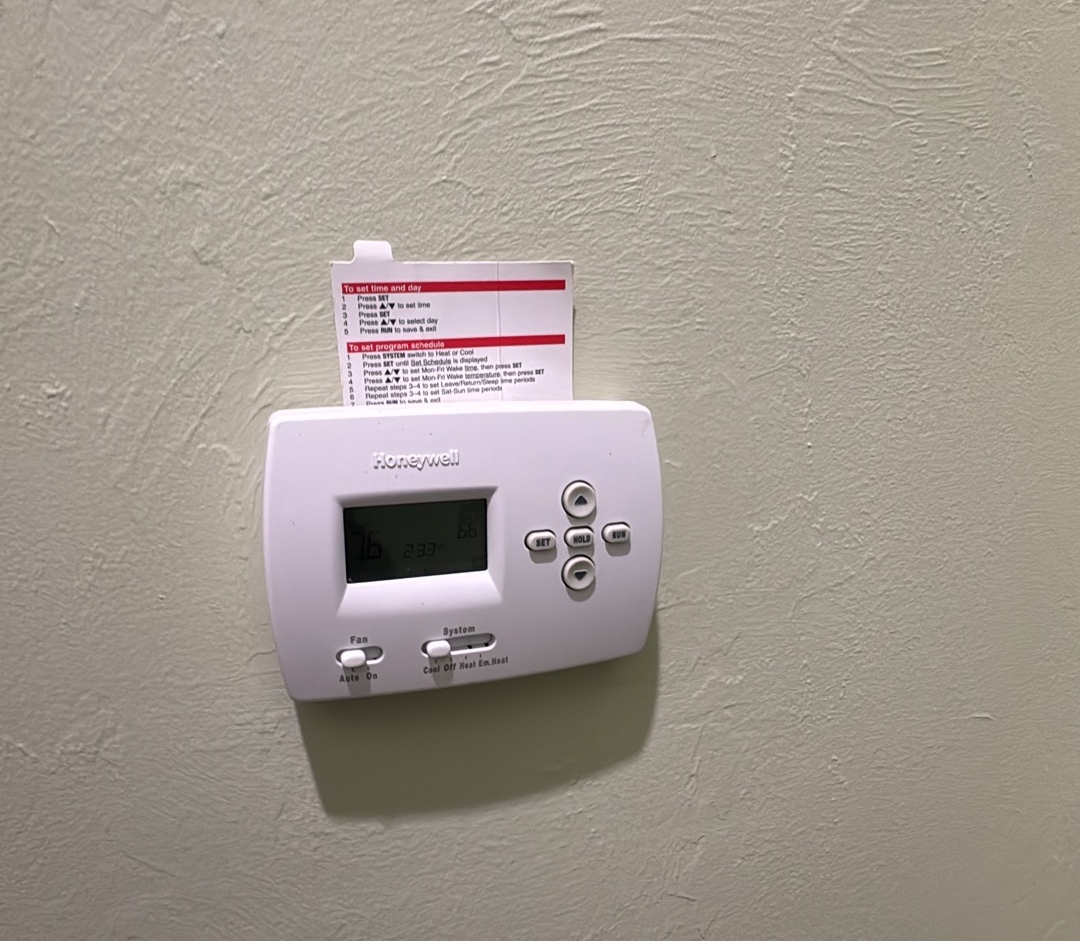
Start by confirming your thermostat is set to Cool mode and the temperature is set below your current room temperature. Check that the breaker hasn't tripped and the outdoor unit is receiving power.
Listen to your system. A humming outdoor unit suggests capacitor failure. Hissing sounds near refrigerant lines may indicate a leak. Complete silence often means an electrical problem or tripped safety switch. Reviewing what to check first before calling an HVAC company in Sarasota gives you a structured approach to these observations before a technician arrives.
Feel the air coming from your vents. Warm air with good airflow suggests a refrigerant or compressor issue. Weak airflow with slightly cool air points to filter or ductwork problems.
Check the outdoor unit's fan. If the compressor runs but the fan doesn't spin, you have a fan motor or capacitor problem. Both are quicker to diagnose than refrigerant levels and don't require EPA certification to check.
Humid climates put extra stress on HVAC systems because moisture in the air makes it harder to remove heat and maintain comfort. Poor airflow makes these problems worse by reducing the system's ability to handle both temperature and humidity.
Your evaporator coils need clean surfaces to absorb heat from indoor air. When dust, dirt, and debris build up on these coils, they create a barrier that blocks airflow and prevents proper heat transfer.
In humid climates, this problem gets worse faster. Moisture in the air causes dirt to stick to the coils more easily, creating a thick layer that chokes your system.
Dirty coils force your HVAC system to work longer to cool your home. The restricted airflow means less air passes over the coils each cycle. This reduces the amount of heat your system can remove at one time.
Your system also struggles to remove humidity when coils are dirty. The coils need good airflow to condense moisture from the air. Blocked coils can't do this job well, leaving your home feeling sticky and uncomfortable even when the temperature seems right. This is why improving indoor air quality starts with keeping coils and filters clean, not with air purifiers or add-on equipment.
Blower motors work harder when airflow is restricted. These motors are designed to move a specific amount of air through your system. When filters are clogged or ducts are blocked, the motor has to use more energy to push air through.
This extra strain generates more heat in the motor. Motors that run hot wear out faster and can fail without warning. You might notice louder operation or longer run times before a complete breakdown happens. A noisy blower is often the first audible warning that restricted airflow is already straining the system.
Capacitors also suffer when motors work too hard. These components help motors start and run smoothly. High heat from overworked motors causes capacitors to fail more quickly, especially in humid climates where the system runs more often.
Temperature split measures the difference between your return air temperature and supply air temperature. This number tells you if your system is removing enough heat.
Normal temperature split ranges:
Lower splits in humid areas happen because your system uses some cooling power to remove moisture. Your AC has to balance cooling and dehumidifying, which affects the temperature drop you feel. Managing AC humidity control effectively is part of what keeps these temperature splits in the right range throughout Florida's long cooling season.
Poor airflow makes temperature split readings unreliable. You might see a higher split because less air is moving, but this doesn't mean better cooling. It usually means your system is struggling and needs attention.
Humid air carries more moisture that helps dust stick to HVAC components. This creates a cycle where dirt builds up faster on filters, coils, and fan blades than it would in dry climates.
Mold and mildew grow more easily in humid conditions. These growths block airflow and reduce system efficiency. They can also create health problems for your family.
Your system runs more often in humid climates to maintain comfort. More runtime means more air passes through your system, bringing more dust and debris with it. Components that might last six months in dry areas may need cleaning or replacement in half that time.
Regular maintenance becomes more important when you deal with both dust and humidity. Filters need changing more often, coils require more frequent cleaning, and drain lines must be checked to prevent clogs. This is exactly why your AC needs maintenance twice a year in Florida, and what happens when you skip it.
HVAC techs avoid handling refrigerant unless absolutely necessary because each time gauges connect to a system, small amounts escape, and refrigerant costs money while facing strict regulations.
Every time you connect manifold gauges to an HVAC system, you lose a small amount of refrigerant. The connection process releases refrigerant into the air when you attach and remove the hoses. These losses might seem tiny at first, but they add up over time.
Each gauge connection can release between 1 to 4 ounces of refrigerant. If a tech checks the system unnecessarily multiple times per year, those small losses become meaningful. A system that only holds 6 to 10 pounds of refrigerant total can't afford to lose ounces repeatedly without eventually showing low refrigerant symptoms.
The hoses themselves also trap refrigerant inside them. When you disconnect the gauges, this trapped refrigerant usually vents to the atmosphere unless you use special low-loss fittings. This is both wasteful and harmful to the environment.
Refrigerant prices have increased significantly in recent years. A pound of common refrigerant can cost anywhere from $50 to over $200 depending on the type. Systems typically need several pounds to operate properly, making unnecessary losses costly for homeowners.
Environmental regulations make refrigerant handling a serious legal matter. According to the U.S. Environmental Protection Agency, technicians must hold Section 608 certification to handle refrigerants legally, and intentional venting carries significant federal fines.
Older refrigerants like R-22 are being phased out, driving prices even higher. Newer refrigerants require specific equipment and training, adding to overall costs. Understanding affordable AC repair starts with recognizing that a technician who avoids unnecessary refrigerant handling is actually saving you money, not cutting corners.
Technicians look for specific signs before deciding to connect gauges and test refrigerant levels. They check for visible ice buildup on the evaporator coil or refrigerant lines. Ice indicates restricted airflow or possible low refrigerant.
Your tech will measure the temperature difference between supply and return air. A smaller temperature split than normal suggests potential refrigerant issues. They also listen for unusual sounds like hissing that might indicate a leak.
Visual inspections come first. Techs examine the outdoor unit for oil stains around connections, which often appear alongside refrigerant leaks. They check if the system runs constantly but fails to cool properly. These low refrigerant symptoms build a strong case before any gauges get connected.
Electronic leak detectors can scan the system without releasing any refrigerant. If the detector signals a leak, that provides enough evidence to proceed with pressure testing. A dirty evaporator coil is often discovered during this visual phase and addressed before refrigerant testing even begins.
Once your technician confirms a refrigerant leak, they must locate and repair it before adding new refrigerant. Simply adding more refrigerant without fixing the leak wastes money and violates environmental regulations. The tech uses specialized tools to pinpoint the exact leak location.
After repairs, the system gets evacuated to remove air and moisture. This process uses a vacuum pump and takes at least 30 minutes. Only then can the tech properly recharge the system with the correct amount of refrigerant.
The technician weighs the refrigerant as they add it to ensure accuracy. Too much or too little both cause problems. They document the amount added and keep records as required by EPA regulations. If the leak has caused compressor or coil damage, it may also be worth discussing whether repair or replace is the more financially sound path forward.
Coastal Florida homes face unique challenges that make refrigerant leaks more common than in other parts of the country. Salt air speeds up metal breakdown, installation mistakes create weak points, and chemical reactions inside the system can eat away at components.
Salt air is the biggest threat to your AC system in coastal areas. The salt particles in the air land on your outdoor unit's coils and copper lines. Over time, this salt reacts with the metal and creates corrosion.
The corrosion eats through the thin walls of your evaporator coils and condenser coils first. These coils have the thinnest metal, making them vulnerable to pinhole leaks. Your line sets, which are the copper pipes connecting indoor and outdoor units, also develop weak spots from salt exposure.
You might notice your AC runs constantly but doesn't cool well. This happens because the refrigerant slowly escapes through tiny corroded holes. Understanding what salt air actually does to your AC explains why the corrosion process speeds up significantly the closer your unit is to the ocean. Regular cleaning of condenser coils slows this degradation and extends the time between refrigerant-related failures.
Installation quality determines how long your system stays leak-free. When technicians rush or skip steps, they create problems that show up months or years later.
Improper brazing is a common mistake. Brazing joins copper pipes together using high heat. If the technician uses too much heat, doesn't clean the pipes properly, or uses the wrong materials, the joints become weak. These weak joints eventually crack and leak refrigerant.
Over-tightening or under-tightening connections also causes leaks. Too much force can crack fittings or damage threads. Too little force leaves gaps where refrigerant escapes. Your system might work fine at first, but vibration from normal operation slowly loosens these poor connections.
Missing or damaged insulation on line sets allows moisture to collect on copper pipes. This moisture combines with salt air to speed up corrosion even faster than it would otherwise occur. Asking the right questions before hiring an HVAC company in Sarasota helps you verify that an installer follows proper brazing and evacuation procedures before any work begins.
Acid formation inside your AC happens when moisture mixes with refrigerant and oil. This acid is one of the most destructive problems your system can face.
The acid eats away at copper coils from the inside. You won't see this damage from the outside until it's too late. Small amounts of moisture can enter during installation if technicians don't properly evacuate the system. Moisture can also get in through existing small leaks.
Common refrigerant leak signs from acid damage include:
The acid also breaks down the compressor oil. This damaged oil can't protect the compressor's moving parts, which leads to expensive compressor failure. Once acid forms in your system, a technician must flush the entire system and replace the filter drier to remove it. These are among the common HVAC condensation problems that, left unaddressed, create the exact moisture conditions that allow acid to form.
Simply adding more refrigerant doesn't fix your problem. The refrigerant will keep escaping through the same leak. You'll need repeated recharges that cost money each time.
Your system runs with low refrigerant between these recharges. Low refrigerant makes your compressor work harder and run hotter than it should. This extra strain shortens the compressor's life and increases your risk of a complete system breakdown. At that point, understanding AC repair costs in Florida becomes urgent, since compressor replacement is one of the most expensive repairs a homeowner can face.
The leaked refrigerant also harms the environment. Modern refrigerants are expensive, and constantly replacing leaked refrigerant wastes your money. A proper repair finds and seals the leak before adding new refrigerant.
Reputable HVAC companies always locate and repair leaks first. They use leak detection tools to find even tiny holes. After fixing the leak, they evacuate moisture from the system and add the correct amount of fresh refrigerant.
The diagnostic order HVAC technicians follow isn't arbitrary. It's designed to solve the most common problems first, protect you from unnecessary costs, and avoid wasteful refrigerant handling that adds up over time.
Florida's humid, salt-heavy coastal environment accelerates every failure mode described in this article. Filters clog faster, coils corrode sooner, drain lines back up more frequently, and refrigerant leaks develop years earlier than they would in drier climates. Staying ahead of these issues with consistent maintenance is far cheaper than reacting to them after a breakdown.
According to the U.S. Department of Energy, routine professional maintenance keeps central air conditioning systems operating at or near their rated efficiency, while neglected systems can lose a significant portion of their original cooling capacity over time.
An annual HVAC inspection gives a technician the chance to work through this full diagnostic sequence before any single failure turns into an emergency. Paired with an AC maintenance plan, it's the most cost-effective way to protect your system from the compounding effects of Florida's climate.
Contact Gary Air to schedule a diagnostic visit or maintenance appointment with technicians who follow every step of this process correctly.






.avif)

