


Your heating and cooling system works hard all year to keep your home comfortable. Like any important equipment, it needs regular checkups to stay in good shape. An annual HVAC inspection is a professional service where a trained technician examines your heating and cooling system to make sure it runs safely and efficiently, typically costing between $150 and $500.
Most experts recommend scheduling two inspections each year. You should get your air conditioner checked in spring before summer heat arrives and your furnace inspected in fall before winter cold sets in. These checkups help you avoid surprise breakdowns when you need your system most.
According to ENERGY STAR, scheduling annual pre-season checkups, cooling in spring and heating in fall, helps keep equipment at peak performance and avoids in-season delays when contractors are busiest.
During an inspection, a technician looks at all the major parts of your system. They check filters, coils, ductwork, and thermostats to find problems before they get worse.
This article will explain what happens during an inspection, why it matters for your home, and how to know when your system needs professional attention.
Here’s what you’ll find below:
Keep reading to know what an annual HVAC inspection includes, what it can identify early, and how it supports efficient, reliable heating and cooling.
An annual HVAC inspection involves a trained technician examining your heating and cooling system to check its performance, safety, and efficiency. This yearly maintenance check helps you avoid costly repairs, keeps energy bills lower, and extends the life of your equipment.
A professional technician evaluates all major parts of your HVAC system during an annual inspection. This includes your air conditioner, furnace, thermostat, and electrical connections. The technician tests each component to make sure it works correctly.
The inspection takes one to three hours to complete. Your technician will look for worn parts, loose connections, and signs of damage. They check refrigerant levels in your air conditioner and examine the heat exchanger in your furnace for cracks or corrosion.
Most inspections also include checking your system's controls and safety features. The technician makes sure your thermostat responds properly and that all safety switches function as designed.
Your technician measures how well your system heats and cools your home. They check the temperature output from your vents and compare it to what your system should produce. This tells them if your equipment runs at the right capacity.
The inspection includes testing airflow throughout your system. Weak airflow often means blocked ducts, dirty coils, or failing blower motors. Your technician will measure static pressure to identify these problems.
They also evaluate how evenly your system heats or cools different rooms. Uneven temperatures can point to ductwork issues or an improperly sized system.
Your ductwork moves heated or cooled air throughout your home. The technician checks for leaks, holes, or disconnected sections that waste energy. They also look for dust buildup and debris inside the ducts.
Air filters trap dust, pollen, and other particles. Your technician examines your filters and replaces them if needed. Dirty filters restrict airflow and make your system work harder.
Per the U.S. Department of Energy (DOE), dirty/clogged AC filters reduce airflow and efficiency, and restricted airflow can allow dirt to accumulate on the evaporator coil, reducing its heat-absorbing capacity.
Vents and registers get inspected for blockages and proper operation. The technician ensures dampers move freely and that nothing blocks air from flowing into your rooms. They also check return air vents to make sure your system gets adequate airflow.
Annual inspections catch small problems before they become expensive repairs. A loose belt or worn bearing makes noise now but could cause your system to break down later. Your technician fixes these minor issues during the visit.
Early detection saves you money on emergency repairs. A complete system breakdown often costs $500 to $5,000 to fix. Regular HVAC maintenance checks cost between $150 and $300, which is much less than major repairs.
The inspection also helps maintain your warranty coverage. Many manufacturers require annual professional inspections to keep warranties valid. Skipping inspections could mean paying full price for repairs that would otherwise be covered.
Your technician optimizes your system for better energy efficiency during the inspection. They clean coils, adjust blower speeds, and calibrate your thermostat. These adjustments can lower your energy bills by 15% to 30%.
Safety checks are a critical part of every annual inspection. The technician examines your furnace for carbon monoxide leaks and tests all safety controls. They also check electrical connections for fire hazards.
According to the CDC, gas- and oil-burning furnaces produce carbon monoxide (CO), and annual furnace inspection is a key prevention step to reduce CO poisoning risk.
Clean systems run more efficiently than dirty ones. Your technician removes dust and debris from motors, fans, and coils. This helps your equipment use less energy to heat or cool your home. Proper maintenance also extends your system's lifespan by several years, delaying the need for costly replacement.
Annual HVAC inspections protect your heating and cooling system from unexpected breakdowns while keeping your home comfortable. These checkups save you money by identifying issues early, reducing energy waste, and extending the life of your equipment.
Minor issues in your HVAC system rarely stay minor for long. A loose belt, small refrigerant leak, or dirty component can damage other parts if left unchecked.
During an annual inspection, a technician examines all system components for signs of wear or damage. They check electrical connections, test thermostat accuracy, and look for unusual sounds or vibrations. These early warnings help you avoid emergency repairs that cost three to five times more than scheduled maintenance.
A worn fan motor, for example, might draw extra power and strain your system for months before failing completely. Catching it during inspection costs around $150 to replace, while an emergency replacement after it breaks can exceed $500. You also avoid the discomfort of losing heating or cooling when you need it most.
Your HVAC system accounts for about 50% of your home's energy use. When it runs inefficiently, you pay the difference every month.
Dirty coils, clogged filters, and poorly calibrated thermostats force your system to work harder. An inspection includes cleaning key components and making adjustments that restore peak efficiency. Most homeowners see energy bills drop by 10-15% after proper maintenance.
An energy-efficient HVAC system maintains consistent temperatures without cycling on and off constantly. The technician calibrates your thermostat, checks refrigerant levels, and ensures proper airflow throughout your home. These adjustments mean your system reaches your desired temperature faster and maintains it using less energy.
A well-maintained HVAC system lasts 15-20 years. Without annual inspections, you might need replacement after just 10-12 years.
Regular maintenance prevents the accumulated wear that shortens equipment life. Your technician lubricates moving parts, tightens electrical connections, and replaces worn components before they damage your system. This care keeps all parts working together smoothly instead of creating friction and stress.
Replacing an HVAC system costs $5,000-$10,000 or more. Spending $100-$200 per year on inspections delays this expense by five to eight years. That represents thousands of dollars in savings over time.
According to the UCF Florida Solar Energy Center (FSEC®), indoor relative humidity above 60% for several hours in an air-conditioned home is a sign that humidity/IAQ control could be improved, which is a practical reason to include drainage, airflow, and dehumidification performance checks during an annual HVAC inspection.
Your HVAC system circulates air throughout your home constantly. When components get dirty, they spread dust, allergens, and other particles into every room.
Annual inspections include cleaning or replacing air filters, checking ductwork for leaks, and removing debris from system components. The technician also inspects your condensate drain to prevent mold growth. These steps ensure the air moving through your home stays clean.
Poor indoor air quality affects people with allergies, asthma, or respiratory sensitivities most severely. But everyone benefits from cleaner air. You'll notice less dust on surfaces and fresher-smelling rooms after a thorough HVAC inspection.
HVAC systems involve electrical components, gas connections, and high-pressure refrigerant. Problems in these areas create serious safety risks.
During inspections, technicians check for gas leaks, test carbon monoxide levels, and examine electrical wiring for damage. They verify that safety switches work correctly and that your system vents combustion gases properly. These checks protect your family from fire hazards, gas leaks, and carbon monoxide poisoning.
Per the Florida Department of Health, homeowners with combustion appliances or an attached garage should install a carbon monoxide (CO) alarm and ensure appliances are properly installed/used, reinforcing why an annual inspection should include combustion safety and venting checks when applicable.
Most manufacturers require annual professional maintenance to keep your warranty valid. Missing these inspections can void coverage worth thousands of dollars. The technician documents the service, giving you proof of compliance if you need warranty repairs later.
Your HVAC system often gives clear warnings when something isn't working right. Catching these signs early can prevent expensive repairs and keep your home comfortable year-round.
When some rooms feel too hot while others stay cold, your HVAC system is struggling to distribute air properly. This problem often points to issues with your ductwork, blocked vents, or a failing compressor.
You might notice your bedroom stays comfortable while your living room never reaches the right temperature. The problem could be a damaged thermostat that can't read temperatures correctly. Sometimes the issue comes from a refrigerant leak that reduces your system's ability to cool or heat effectively.
Check if furniture or curtains are blocking your vents first. If moving these items doesn't fix the problem, you need a professional inspection. A technician can test your system's pressure levels and examine your ductwork for leaks or damage that prevent proper airflow throughout your home.
Unusual sounds from your HVAC system signal mechanical problems that need attention. Grinding, squealing, or banging noises mean parts are wearing out or have come loose inside your unit.
A grinding sound usually indicates worn bearings in your motor. Squealing points to a loose or damaged belt that needs replacement. Banging or clanking means components have come loose and are hitting other parts of your system.
Strange smells are equally concerning. A burning smell could mean electrical problems or overheating components. Musty odors suggest mold growth in your ductwork or around your unit. A rotten egg smell might indicate a gas leak, which requires immediate professional attention for safety reasons.
Your energy bills reveal problems with your HVAC system's performance. A sudden spike in costs without changing your usage habits means your system is working harder than normal to maintain temperatures.
Compare your current bills to the same months from previous years. An increase of 15-20% or more suggests your system has lost its energy efficiency. Dirty filters, refrigerant leaks, or aging components force your unit to run longer cycles to reach the desired temperature.
Your system might be running constantly without shutting off, which drives up electricity or gas costs. This happens when parts wear out or when your unit struggles with a problem it can't overcome on its own.
Your HVAC should run in steady cycles to maintain comfortable temperatures. When it turns on and off repeatedly in short bursts, this is called short cycling and indicates a serious problem.
Short cycling puts extra wear on your system's components and wastes energy. The problem might come from a dirty air filter that restricts airflow, an oversized unit for your space, or a failing thermostat. Low refrigerant levels can also cause this issue.
Your system needs time to complete its heating or cooling cycle properly. When it can't, you'll notice higher energy bills and uneven temperatures throughout your home. A seasonal HVAC inspection can identify the root cause before short cycling damages your compressor or other expensive parts.
Dust buildup around your vents or floating in the air shows your HVAC system isn't filtering properly. You might see layers of dust on furniture shortly after cleaning or notice particles in sunlight streaming through windows.
Weak airflow from your vents means your system can't push air through your home effectively. Hold your hand near a vent to test the strength of air coming out. If it feels weak or barely noticeable, your blower motor might be failing or your ductwork could be blocked.
Moisture or water stains near your unit point to drainage problems or refrigerant leaks. You should never ignore these signs because they can lead to water damage or mold growth. A professional inspection will examine your condensate drain line and check for leaks that compromise your system's performance.
A professional HVAC tune-up follows a structured process to check every major component of your heating and cooling system. Technicians examine critical parts like filters, refrigerant levels, electrical connections, and system controls to ensure safe and efficient operation.
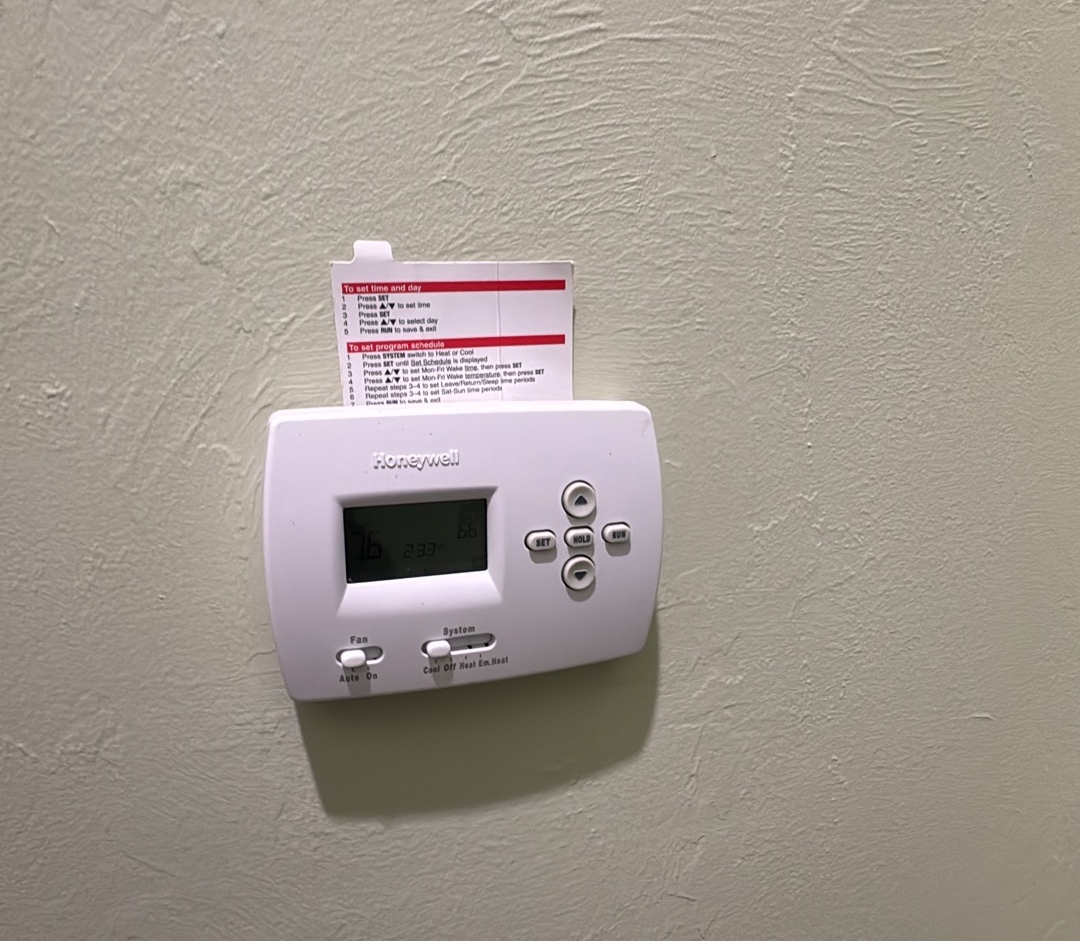
The technician starts by examining your thermostat settings and calibration. They check if the temperature readings are accurate and if the system responds properly to adjustments.
Next, they inspect both your furnace and air conditioning unit. For heating systems, they examine the heat exchanger for cracks or damage that could leak carbon monoxide. They also check the burner assembly and ignition system.
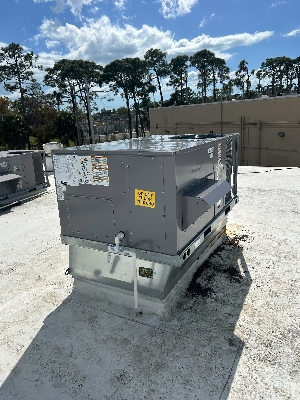
For cooling units, they look at the compressor and condenser coils. They inspect belts and pulleys for wear and proper tension. Loose or worn belts can reduce efficiency and cause system failures.
The technician also tests safety controls. These include limit switches, pressure switches, and flame sensors. These components protect your system from unsafe conditions like overheating or gas leaks.
Air filters trap dust, pollen, and other particles that circulate through your HVAC system. During the inspection, the technician removes and examines your current filters.
Dirty filters restrict airflow and force your system to work harder. This increases energy bills and can shorten equipment life. Most filters need replacement every one to three months depending on usage and air quality.
The technician will install new filters if needed. They ensure the filters fit properly and have the correct MERV rating for your system. Higher MERV ratings capture smaller particles but may restrict airflow in some systems.
They also clean the blower compartment and evaporator coil if dust has accumulated. Clean components improve air quality and system performance.
Proper refrigerant levels are critical for cooling performance. The technician connects gauges to measure the refrigerant pressure in your system.
Low refrigerant usually indicates a leak. The technician will check connections, coils, and lines for damage or leaks. They may use leak detection tools to find small leaks that aren't visible.
If refrigerant is low, they'll add the correct amount based on manufacturer specifications. Too much or too little refrigerant reduces efficiency and can damage the compressor.
The technician also measures airflow at vents throughout your home. They check for blocked or leaking ductwork that reduces system performance. Proper airflow ensures even heating and cooling in all rooms.
Electrical problems cause many HVAC failures and safety hazards. The technician examines all electrical connections for signs of wear, corrosion, or loose wiring.
They tighten any loose connections that could cause arcing or system failure. Loose connections create heat that can damage components or start fires.
The technician tests the capacitors and contactors. These components help motors start and run efficiently. Weak capacitors make motors work harder and can lead to premature failure.
They also check the amp draw of motors. High amp draw indicates the motor is struggling and may need replacement soon. They measure voltage at key points to ensure the system receives proper power.
After completing the inspection, the technician explains what they found. They'll tell you which components are working well and which need attention.
You'll receive recommendations for repairs or replacements. These may include immediate safety concerns or items that will likely fail soon. The technician should explain why each repair matters and what happens if you delay it.
They'll also suggest preventive maintenance steps you can take. This might include changing filters regularly, keeping outdoor units clear of debris, or adjusting thermostat schedules for better efficiency.
You should receive a written report listing all findings and recommendations. This documentation helps you track your system's condition over time and plan for future repairs or replacement.
Gary Air provides professional residential HVAC service with trained technicians who deliver complete inspections and personalized care. Their team offers expert guidance to keep your heating and cooling systems running efficiently all year.
Gary Air employs licensed technicians who have the training and credentials needed to inspect your HVAC system properly. These professionals understand the technical details of both heating and cooling equipment.
Their experience helps them spot potential problems that might not be obvious to untrained eyes. They know what to look for in different system types and brands.
Licensed technicians follow industry standards and safety protocols during every inspection. This protects your home and ensures the work meets local codes and regulations.
Gary Air respects your time by showing up when scheduled and completing inspections efficiently. Their technicians work quickly without cutting corners on important checks.
Each inspection covers all critical components of your HVAC system. This includes checking filters, testing controls, examining electrical connections, and measuring system performance.
You receive clear information about your system's condition after each visit. The team explains any issues found and provides straightforward recommendations for repairs or improvements.
Gary Air creates maintenance plans based on your specific system and usage patterns. Your plan takes into account factors like your equipment's age, home size, and seasonal demands.
These customized plans include scheduled visits at the right times for your system. You get reminders when service is due so you don't have to remember to call.
Plan benefits include:
Gary Air technicians provide practical tips to help you reduce energy costs. They identify settings and habits that waste energy and suggest simple changes.
You learn how to maintain your system between professional visits. This includes basic tasks like filter changes and keeping outdoor units clear of debris.
Their advice helps extend your equipment's lifespan and prevent breakdowns. They explain warning signs to watch for and when to call for service before small issues become major repairs.
Regular maintenance between annual inspections helps your HVAC system run efficiently and prevents unexpected breakdowns. Simple tasks like changing filters and monitoring performance can extend your system's lifespan and reduce energy costs.
Your air filter collects dust, dirt, and debris that would otherwise enter your HVAC system. A clogged filter restricts airflow and forces your system to work harder, which increases energy bills and puts stress on components.
Check your filter every 30 days. Most standard filters need replacement every 1-3 months, depending on your usage and environment.
Replace filters more frequently if you have pets, live in a dusty area, or run your system constantly. You can see when a filter needs changing by holding it up to light. If light doesn't pass through easily, it's time for a new one.
Washable filters offer a reusable option. Rinse them with water, let them dry completely, and reinstall them. Never run your system without a filter, as this allows dust and particles to damage internal components.
Blocked vents reduce airflow and make your system work harder to heat or cool your home. Walk through your home monthly and check all supply and return vents.
Remove furniture, curtains, rugs, and other items that block vents. Keep at least 12 inches of clearance around each vent for proper airflow. Vacuum vent covers to remove dust buildup that restricts air movement.
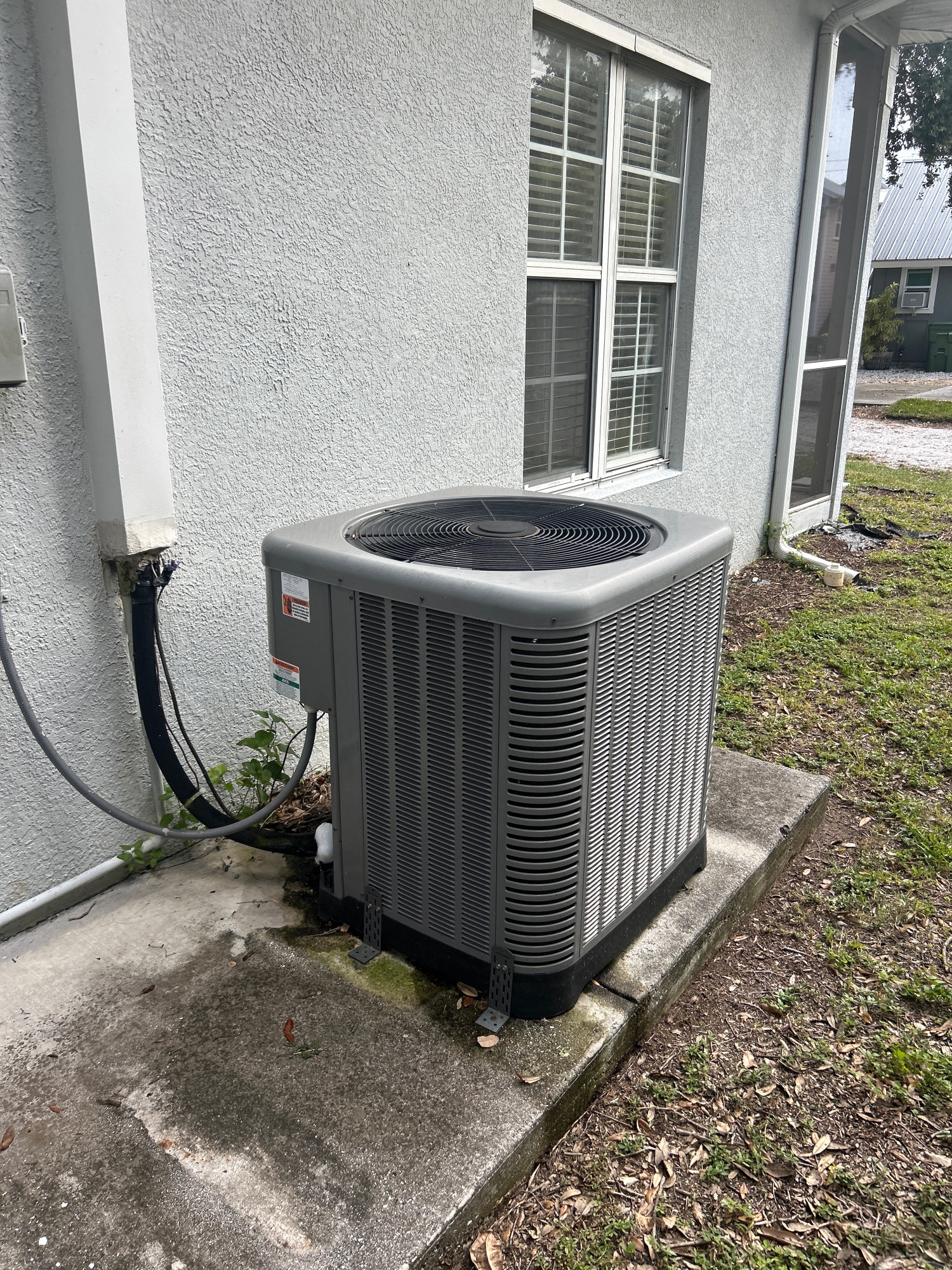
Look for visible dust or debris around duct openings. Clean accessible ductwork with a vacuum attachment to remove surface buildup. Check outdoor units for leaves, grass clippings, or other debris that can block airflow. Keep a 2-foot clearance around outdoor equipment.
Your energy bills show how efficiently your HVAC system operates. A sudden spike in costs without a change in usage patterns often indicates a problem that needs attention.
Track your monthly energy bills and compare them to the same months in previous years. Note any unusual increases that can't be explained by weather changes or increased usage.
Pay attention to how your system performs. Listen for strange noises like grinding, squealing, or banging. Notice if some rooms feel too hot or too cold compared to others. Check if your system runs constantly without reaching the set temperature. These signs indicate problems that need professional attention before your next scheduled inspection.
Professional maintenance twice per year prepares your system for peak heating and cooling seasons. Spring tune-ups ready your air conditioner for summer, while fall maintenance prepares your furnace for winter.
Schedule air conditioning service in early spring before temperatures rise. Schedule heating system service in early fall before you need consistent heat. These seasonal check-ups catch potential issues before they become expensive repairs during extreme weather.
Professionals check refrigerant levels, clean coils, tighten electrical connections, and test safety controls. They measure airflow and inspect components you can't easily access. This preventive care keeps your system running efficiently between annual inspections and reduces the risk of breakdowns during high-demand periods.
Regular HVAC inspections keep your heating and cooling system working properly. When you schedule these check-ups, you protect your investment and avoid unexpected breakdowns.
A trained technician can spot small problems before they turn into expensive repairs. They clean important parts, check safety features, and make sure everything runs as it should. This kind of care helps your system last longer.
You should schedule your air conditioning inspection in spring and your furnace inspection in fall. This timing prepares each system before you need it most.
The cost of an annual inspection is small compared to what you save. You'll spend less on energy, avoid major repairs, and get more years out of your equipment. These savings add up over time.
Make HVAC inspections part of your regular home care routine. Your system works hard to keep you comfortable year-round. Give it the attention it needs to do its job well.
Schedule your annual HVAC inspection with Gary Air to verify system safety, airflow, refrigerant performance, and electrical integrity before minor wear turns into costly repairs or peak-season breakdowns.




.avif)

