


Learn about ductwork inspection in Sarasota, signs your ducts need attention, and tips for maintaining efficient HVAC airflow.
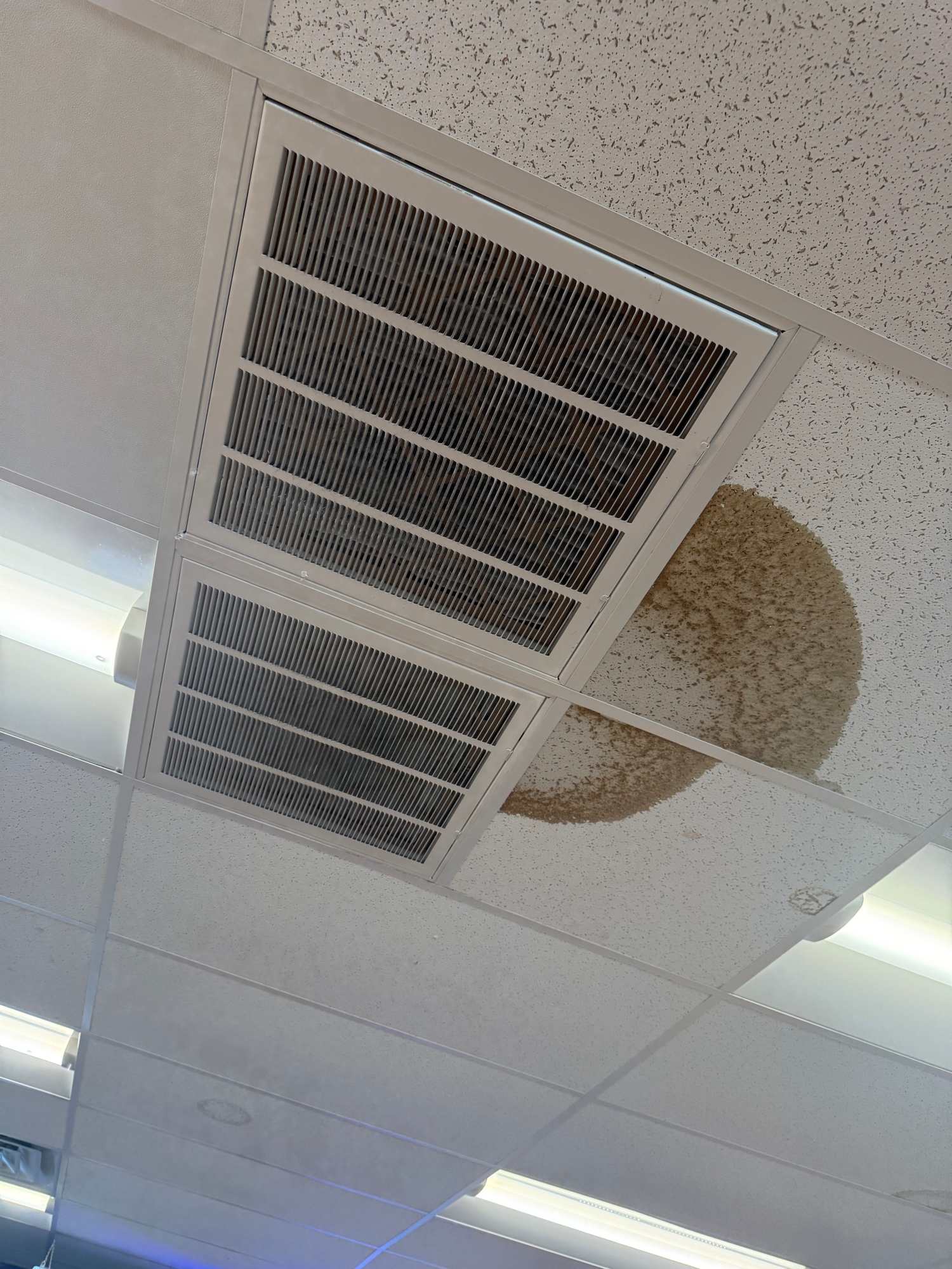
A professional air duct inspection in Sarasota helps identify hidden issues like leaks, damage, and blockages before they lead to bigger problems.
Per the U.S. Department of Energy (DOE), leaky ducts in unconditioned spaces can add hundreds of dollars per year to heating and cooling costs, and sealing and insulating ducts can reduce those losses.
Your home's ductwork keeps indoor air comfortable and clean throughout the year. In Sarasota's hot and humid climate, the duct system works hard to circulate cooled air to every room. Over time, ducts can develop problems that affect air quality, energy bills, and overall comfort.
Many homeowners don't realize their ducts need attention until they notice higher energy costs or uneven temperatures between rooms. Regular inspections catch these issues early and keep HVAC systems running efficiently.
This guide covers the signs that indicate inspection is needed, what professionals look for during the process, and how often Sarasota residents should schedule this important maintenance.
Here’s what you need to know:
Keep reading! Understanding when and why ductwork needs inspection helps homeowners protect their investment and maintain healthy indoor air.
Ductwork inspection protects a home's air quality, reduces energy waste, and helps homeowners avoid expensive system failures. Regular checks catch problems early before they turn into major issues.
Sarasota's humid climate creates ideal conditions for mold, dust, and allergens to build up inside air ducts. When ducts have leaks or damage, they can pull in contaminants from attics, crawl spaces, and walls.
According to the U.S. EPA, controlling moisture is the most effective way to prevent mold growth, and maintaining indoor relative humidity below 60% (ideally 30% to 50%) supports healthier indoor conditions and HVAC performance.
These pollutants then circulate throughout the home every time the HVAC system runs. Families breathing this air may experience allergies, respiratory problems, or worsening asthma symptoms.
A professional inspection identifies areas where dirt and debris have collected. Technicians can spot mold growth, pest infestations, or damaged insulation that affects air quality. They also check for gaps where unfiltered air enters the system.
Clean, sealed ducts mean cleaner air for everyone in the home. This is especially important for households with children, elderly residents, or anyone with breathing sensitivities.
According to ENERGY STAR, in a typical home about 20% to 30% of the air that moves through ductwork is lost through leaks, holes, and poor connections, which can raise utility bills and make rooms harder to keep comfortable.
In Sarasota's hot climate, air conditioning runs frequently. When ducts leak, the system works harder to maintain comfortable temperatures. This leads to higher electric bills and puts extra strain on HVAC equipment.
An inspection reveals where air escapes through:
Fixing these issues helps the system deliver air where it's needed. Rooms that were too hot or too cold often improve once ducts are properly sealed. The HVAC equipment runs less often and uses less energy to do its job.
Small duct problems grow worse over time when left unaddressed. A minor leak can expand as air pressure pushes against weak spots in the ductwork.
Regular inspections catch issues while they're still easy and affordable to fix. Technicians can repair a small section of damaged duct for a fraction of what full replacement costs. They also identify problems that stress the HVAC system, like restricted airflow that forces the blower motor to work too hard.
Catching these problems early extends the life of the entire HVAC system. Equipment that doesn't have to strain against duct issues lasts longer and breaks down less often. This saves homeowners from unexpected repair bills or premature system replacement.
Inspections also reveal whether ducts need better insulation in unconditioned spaces. Proper insulation prevents heat gain in Sarasota's hot attics, protecting the system and reducing cooling costs.
Your home often shows clear warning signs when ductwork problems develop. Recognizing these signals helps you address issues before they become costly repairs.
Some rooms feeling too hot while others stay cold points directly to ductwork problems. This happens when air leaks develop in the ducts, or when blockages prevent proper airflow to certain areas of the home.
Damaged or disconnected ducts can't deliver the right amount of conditioned air to each room. The HVAC system works harder to compensate, but the temperature problems continue.
Homeowners should check if certain rooms never reach the temperature set on the thermostat. Closed or blocked vents might cause this issue, but persistent problems usually mean the ducts need professional inspection. Leaky ductwork can lose 20-30% of the air moving through the system.
Musty or moldy smells coming from vents indicate moisture problems inside the ductwork. Mold grows in damp ducts and spreads spores throughout the home every time the system runs.
Burning or smoky odors suggest debris buildup or damage near heating elements. Dust puffing out of vents when the system starts means dirt has accumulated inside the ducts.
Visible dust around vent covers shows the ducts are distributing particles instead of just clean air. Family members experiencing more allergies or respiratory issues may be reacting to contaminated air from dirty ducts. A gray or black ring around vents signals excessive dust circulation.
Energy costs that spike without changes in usage often stem from ductwork inefficiency. Leaky or damaged ducts force the HVAC system to run longer cycles to maintain comfortable temperatures. Bills that increase 15-20% compared to previous years deserve attention.
Homeowners should compare current energy usage to past bills from the same season. Steady increases suggest the HVAC system is working harder than normal. Poor ductwork accounts for substantial energy waste in many homes, making inspection worthwhile when bills climb without explanation.
A professional ductwork inspection includes a detailed review of visible and hidden ductwork, testing for air leaks, checking airflow performance, and identifying problems that reduce system efficiency.
A technician starts by examining all accessible ductwork throughout the home. They look for physical damage like holes, dents, or crushed sections that restrict airflow. The inspector checks connection points where duct sections join together to find loose or disconnected pieces.
Insulation around ducts gets checked for gaps or deterioration. Poor insulation wastes energy and causes temperature loss before air reaches living spaces. The technician also searches for signs of moisture damage or mold growth inside the ductwork, which affects indoor air quality.
They examine vent covers and registers in each room for proper installation and operation. The inspector notes any dust buildup or debris that suggests the system needs HVAC duct cleaning. They review the overall layout to identify design flaws that reduce performance.
The technician uses a smoke pencil or similar tool to detect air leaks at joints and seams. Air escaping through leaks wastes energy and forces the HVAC system to work harder. Common leak locations include connections near the air handler, plenum boxes, and branch takeoffs.
They inspect for blockages caused by dust, debris, or objects that fell into the ducts. Construction materials, toys, or pest nests sometimes obstruct airflow. The inspector checks dampers to ensure they open and close properly.
Flexible ducts get examined for kinks or compression that reduces their diameter. Even partial blockages significantly decrease system efficiency and create uneven heating or cooling.
The inspector measures airflow at supply and return vents using specialized equipment. These readings show whether each room receives adequate air circulation. Low airflow indicates leaks, blockages, or undersized ductwork.
They test static pressure within the duct system to evaluate overall performance. High pressure means the system struggles to push air through the ducts. This condition increases energy costs and shortens equipment life.
The technician compares actual measurements against manufacturer specifications for the HVAC system. They document any rooms with poor air delivery or temperature differences. These tests provide concrete data about system performance rather than relying on guesswork.
Sarasota homeowners should inspect their ductwork every 1-2 years due to the area's humidity, coastal air quality, and year-round HVAC use. More frequent inspections help prevent mold growth, detect leaks early, and maintain system efficiency in Florida's challenging climate.
Most HVAC professionals recommend inspecting ductwork every 1-2 years in Sarasota. This frequency is shorter than the national standard of 3-5 years because of Florida's humid subtropical climate.
Homes with pets need inspections on the shorter end of this range. Pet hair and dander accumulate faster in ducts and reduce air quality. Older homes built before 1990 should also follow annual inspection schedules since their ductwork may have deteriorated seals or outdated materials.
New homeowners should schedule an inspection within the first few months of purchase. Previous owners may have neglected maintenance, and hidden issues like disconnected ducts or pest intrusion often go unnoticed during standard home inspections.
Homes near the coast face additional challenges from salt air and higher humidity levels. These properties benefit from annual inspections to catch corrosion and moisture problems before they spread.
Several warning signs indicate ductwork needs immediate inspection rather than waiting for the next scheduled appointment. Unexplained increases in energy bills often point to leaky ducts that force the HVAC system to work harder.
Visible mold growth around vents or musty odors when the AC runs require immediate attention. Sarasota's humidity creates ideal conditions for mold, which spreads quickly through ductwork and poses health risks.
Rooms with inconsistent temperatures suggest blocked or disconnected ducts. If one area stays warmer or cooler than others despite thermostat settings, the ductwork likely has airflow problems.
Excessive dust accumulation on surfaces shortly after cleaning indicates dirty ducts are circulating particles throughout the home. Allergy symptoms that worsen indoors also signal poor duct conditions affecting air quality.
Spring offers the best timing for ductwork inspections in Sarasota. This season falls between peak cooling months, making it easier to schedule service and address any issues before summer heat arrives.
Pre-summer inspections catch problems that developed during winter when the system ran less frequently. Technicians can repair leaks, clean accumulated debris, and ensure the ductwork handles increased demand during hot months.
Post-hurricane season inspections in late fall help identify damage from storms or flooding. Heavy rains and wind can compromise duct seals or introduce moisture that leads to mold growth.
Avoid scheduling inspections during peak summer months when HVAC companies have longer wait times and emergency repairs take priority. Winter months work as an alternative inspection window, though fewer problems typically surface during this cooler period.
Professional duct inspections in Sarasota homes often reveal issues like air leaks, moisture damage, and contamination that reduce HVAC efficiency and indoor air quality.
Air leaks represent one of the most frequent problems found during duct inspections. Gaps, cracks, and poorly sealed joints allow conditioned air to escape before reaching its intended destination. These leaks force HVAC systems to work harder and increase energy bills.
Disconnected duct sections cause even more serious problems. Over time, ductwork can shift or separate completely, especially in attics and crawl spaces. This creates major air loss and leaves some rooms without proper heating or cooling.
Common signs of duct leaks include:
Duct leak detection often requires specialized equipment to identify problem areas hidden behind walls or in tight spaces. Professional inspectors use pressure tests and thermal imaging to locate leaks that would otherwise go unnoticed.
Moisture inside ductwork creates the perfect environment for mold growth. Condensation forms when warm, humid air contacts cool duct surfaces. Poor insulation makes this problem worse in Sarasota's climate.
Mold spores circulate through the entire home once they establish themselves in ducts. This affects indoor air quality and can trigger respiratory problems, allergies, and other health issues.
Water damage also weakens duct materials and insulation. Leaking roofs, plumbing issues, or condensation from AC systems can all introduce moisture into ductwork. Inspectors check for water stains, rust, and deteriorating insulation that indicate moisture problems.
Dust and debris naturally accumulate inside ducts over time. This buildup restricts airflow and gets distributed throughout the home every time the HVAC system runs. Heavy accumulation significantly reduces system efficiency.
Construction debris sometimes gets left behind during installation or remodeling work. Drywall dust, wood shavings, and other materials block air passages and damage HVAC components.
Pests view ductwork as protected pathways through homes. Rodents, insects, and other animals enter through gaps or damaged sections. They leave behind droppings, nesting materials, and unpleasant odors. Some pests chew through duct materials, creating new leaks and entry points for more invaders.
Regular duct inspections deliver measurable improvements to heating and cooling systems by addressing hidden problems that reduce efficiency and increase costs. These routine checks help systems run at their best while protecting indoor air quality.
Duct leaks force HVAC systems to work harder to maintain comfortable temperatures. The U.S. Department of Energy estimates that sealing ducts can improve efficiency by 20% or more. When conditioned air escapes through gaps or cracks, the system compensates by running longer cycles and consuming extra energy.
Small leaks and loose fittings create significant waste over time. A trained technician can identify these problems during an inspection and recommend repairs. Studies show that regular duct inspections can improve system function by up to 40%.
Blockages and obstructions restrict airflow throughout the ductwork. This forces the system to work against resistance, which raises energy bills and strains components. Sarasota HVAC services can locate these restrictions and restore proper airflow to reduce operating costs.
When ducts leak or become blocked, the HVAC system experiences increased strain. The equipment must run longer to achieve the desired temperature, which accelerates wear on motors, compressors, and fans. This extra stress shortens the lifespan of expensive components.
Regular inspections catch minor issues before they become major problems. Loose fittings, damaged sections, and pest infestations can all be identified early. Air ducts typically last 10 to 15 years, but proper maintenance extends their useful life.
Balanced airflow protects the entire system from unnecessary stress. When ducts distribute air evenly, the HVAC equipment operates within normal parameters. This prevents overheating, reduces cycling frequency, and helps components last longer.
Ductwork collects dust, pollen, and other particles that circulate through living spaces. Over time, this buildup degrades indoor air quality and triggers allergic reactions. Inspections reveal accumulations that need cleaning to maintain healthy air.
Moisture in ducts creates conditions for mold growth. This microbial contamination spreads spores throughout the building each time the system runs. Healthcare facilities require annual duct inspections specifically to prevent these contamination issues.
Pest infestations introduce droppings and nesting materials into the air supply. These contaminants pose health risks and create unpleasant odors. Regular inspections identify signs of pest activity so property owners can take action before the problem spreads through the entire duct system.
Regular ductwork inspection protects your home's air quality and HVAC system performance. Professional technicians in Sarasota can identify problems before they become expensive repairs.
Homeowners should schedule duct inspections every 2-3 years. Properties with pets, smokers, or recent renovations may need more frequent checks.
Professional inspection involves examining the entire duct system for leaks, damage, and buildup. Technicians use specialized cameras and tools to access hard-to-reach areas. They check for proper insulation, secure connections, and adequate airflow throughout the home.
The inspection process typically takes 1-2 hours depending on system size. After completion, technicians provide a detailed report of findings. They recommend necessary repairs or cleaning based on the duct condition.
Sarasota's humid climate makes duct maintenance especially important. Moisture can lead to mold growth inside ductwork. Regular inspections catch these issues early.
Choosing a licensed and experienced duct inspection company ensures thorough service. Look for companies with good reviews and proper certifications. Many local providers offer free estimates and flexible scheduling.
Taking action to inspect ductwork maintains a comfortable and healthy home environment. Clean, well-maintained ducts deliver better temperature control and cleaner air to every room.
Schedule a professional ductwork inspection with Gary Air to identify leaks, airflow issues, and moisture problems that reduce comfort and HVAC efficiency in your Sarasota home.






.avif)

