


Enhance indoor air quality with professional central air duct cleaning from Gary Air. Expert residential HVAC duct cleaning for healthier and efficient homes.
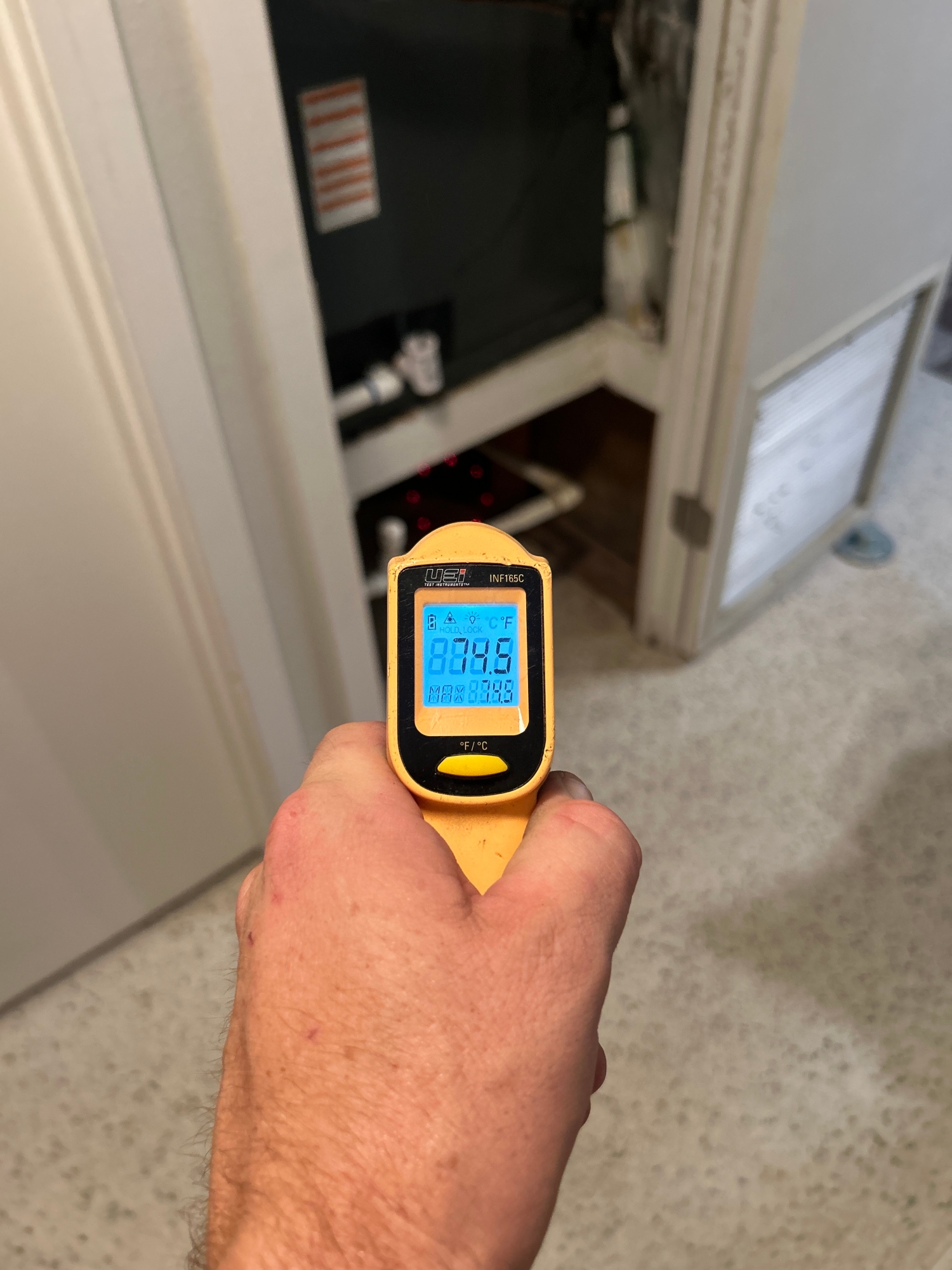
Your home's air ducts carry heated or cooled air throughout every room, but they also collect dust, pet dander, mold spores, and other contaminants over time. Central air duct cleaning is a professional service that removes built-up debris from your ductwork and HVAC components using specialized equipment, which helps improve your indoor air quality and system efficiency.
The U.S. EPA says duct cleaning is most appropriate when ducts are visibly contaminated with substantial mold growth, have pests/vermin, or are clogged with substantial deposits of dust or debris—so an inspection should confirm one of these conditions before scheduling full-service cleaning.
Most homeowners don't think about their air ducts until something goes wrong, but regular cleaning can prevent several problems before they start.
The air you breathe inside your home passes through your duct system multiple times each day. When ducts get dirty, they can spread allergens and particles throughout your living space. This affects not just your air quality but also how well your heating and cooling system works.
Professional duct cleaning does more than just remove visible dust. It targets hidden contaminants in hard-to-reach areas of your system and can reduce energy costs while extending the life of your HVAC equipment.
In this article, you’ll learn how central air duct cleaning removes buildup from ductwork and HVAC components to support cleaner indoor air and more consistent airflow. Here’s what you need to know:
Why central air duct cleaning is important
Signs your central air ducts need cleaning
How professional central air duct cleaning works
Benefits of professional air duct cleaning
Tips to maintain clean air ducts between professional cleanings
Why choose Gary Air for central air duct cleaning
Keep reading! Understanding when you need this service and what to expect from the process helps you make better decisions about maintaining your home's air quality.
Cleaning your central air ducts protects your health, saves money, and keeps your HVAC system running smoothly. Regular duct cleaning removes harmful buildup and improves the air you breathe every day.
Your air ducts collect dust and dirt every time your HVAC system runs. These particles settle on the inner surfaces of your ductwork and build up over time.
When your system pushes air through dirty ducts, it spreads these particles throughout your home. You breathe in this dust along with common allergens like pet dander, pollen, and dust mites.
Common allergens found in air ducts:
Professional duct cleaning removes these accumulated particles using specialized equipment. High-power vacuums and cleaning tools reach deep into your ductwork to extract the buildup. This process significantly reduces the amount of allergens circulating in your home.
People with allergies or asthma often notice fewer symptoms after duct cleaning. Even healthy family members benefit from breathing cleaner air with fewer irritants.
Moisture in your ductwork creates the perfect environment for mold and bacteria. Condensation from your air conditioning system can lead to damp conditions inside the ducts.
Mold spores thrive in dark, moist spaces. Once mold starts growing in your ducts, it spreads quickly and releases spores into your air supply. You might notice a musty smell coming from your vents when mold is present.
Bacteria also multiply in humid ductwork. These microorganisms can cause health problems when you inhale them regularly. Young children, elderly people, and those with weakened immune systems face the highest risks.
Professional cleaning removes existing mold and bacteria from your ducts. Sanitizing treatments applied during the cleaning process help prevent future growth. Keeping your ducts clean and dry stops these harmful organisms from taking hold.
Dust and debris in your ducts make your HVAC system work harder. When buildup restricts airflow, your system must run longer to heat or cool your home to the desired temperature.
Leaky ductwork can reduce heating and cooling system efficiency by as much as 20%, so if a duct cleaning visit identifies disconnected joints or gaps, sealing/insulating should be prioritized to improve delivered airflow and operating cost, according to ENERGY STAR (U.S. EPA).
This extra work uses more energy and increases your utility bills. A layer of dust coating your ductwork acts like insulation, making it harder for air to flow freely through the system.
Clean ducts allow air to move smoothly from your HVAC unit to every room. Your system reaches the target temperature faster and cycles on and off less frequently. This efficient operation reduces wear on mechanical components.
Many homeowners notice lower energy bills after professional duct cleaning. The improved airflow means your system doesn't have to strain to maintain comfortable temperatures. Your HVAC unit runs at peak performance when the ductwork is clear.
Indoor air quality directly affects your daily comfort and health. Your HVAC system circulates the same air throughout your home multiple times per day.
Dirty ducts contaminate this air with every cycle. Dust, mold spores, bacteria, and other pollutants get picked up from your ductwork and distributed to your living spaces. You end up breathing this contaminated air constantly.
Clean ducts mean cleaner air flowing through your home. The removal of accumulated debris eliminates a major source of indoor air pollution. Your home smells fresher, and the air feels cleaner.
Better indoor air quality reduces health complaints like headaches, fatigue, and respiratory irritation. You'll notice less dust settling on your furniture and floors. Clean air also helps you sleep better and feel more comfortable in your home.
Debris in your ductwork doesn't just affect air quality. It also damages your HVAC system over time.
Dust and dirt get pulled into your HVAC unit through return ducts. This debris clogs filters faster, coats internal components, and reduces system lifespan. Your blower motor works harder when dust builds up on fan blades.
Problems caused by dirty ducts:
Regular duct cleaning protects your HVAC investment. Removing debris before it reaches your equipment prevents damage to expensive components. Your system lasts longer and requires fewer repairs.
Clean ducts also mean your air filters stay cleaner for their full recommended lifespan. You spend less money on filter replacements and maintenance calls. Preventive duct cleaning costs far less than major HVAC repairs or early system replacement.
Dirty air ducts show clear warning signs that affect your home's air quality and comfort. Recognizing these signs helps you decide when professional cleaning is necessary.
You might notice a thin layer of dust settling on your furniture and surfaces just days after cleaning. This constant dust buildup often means your air ducts are circulating dirt and debris throughout your home.
When dust accumulates inside your ductwork, every time your HVAC system runs, it blows these particles into your living spaces. You'll see dust coming out of your supply registers when the system turns on.
Check your air filter more frequently than usual. If it becomes clogged with dust within a few weeks instead of lasting its typical lifespan, your ducts likely need cleaning. A heavily soiled filter indicates excessive dust in your system.
Your home shouldn't require dusting multiple times per week under normal conditions. When you find yourself constantly wiping down surfaces, your ductwork may be the source of the problem.
Musty or stale smells coming from your vents when the system starts indicate problems inside your ductwork. These odors suggest mold, mildew, or accumulated debris in your air ducts.
A burning smell might come from dust buildup on your system's components. When your furnace or air conditioner runs, this dust heats up and creates an unpleasant odor that spreads through your vents.
Pet odors, cooking smells, or tobacco smoke that linger in your home can get trapped in your ductwork. Over time, these smells build up and circulate back into your rooms whenever your system operates.
If you notice any persistent odors that seem to come from your vents, inspect your ducts for contamination. Professional cleaning removes odor-causing particles and improves your indoor air quality.
Weak airflow from your vents means something is blocking the air movement in your ducts. Dust, debris, and other materials can restrict the passage of heated or cooled air through your system.
Some rooms may feel warmer or cooler than others when your ducts are clogged. This temperature inconsistency happens because blocked ducts prevent proper air distribution throughout your home.
Your HVAC system has to work harder and run longer cycles to reach your desired temperature when ducts are dirty. This extra strain increases your energy bills and puts unnecessary wear on your equipment.
Hold your hand near different vents in your home to compare airflow strength. Noticeable differences between rooms suggest blockages in specific duct sections that need attention.
You or your family members may experience more frequent sneezing, coughing, or congestion when spending time at home. Dirty ducts circulate allergens like dust mites, pollen, and pet dander continuously through your living spaces.
People with asthma or allergies often notice their symptoms worsen in homes with contaminated ductwork. The constant exposure to airborne particles irritates airways and triggers respiratory reactions.
Watch for symptoms that improve when you leave your home but return shortly after coming back. This pattern strongly suggests indoor air quality problems related to your HVAC system.
Children and elderly family members are particularly sensitive to poor air quality. If they develop unexplained respiratory issues or their existing conditions worsen, check your ducts for contamination.
Construction projects create large amounts of sawdust, drywall dust, and other fine particles that enter your ductwork. Even with precautions, renovation debris often gets sucked into your HVAC system and settles in your ducts.
If you've completed any remodeling work in the past year, schedule a duct inspection. Contractors may have left debris or accidentally damaged duct sections during construction activities.
Water damage or leaks near your ductwork create conditions for mold growth. Mold spores spread quickly through your ducts and contaminate your entire home's air supply. Dark spots or visible mold growth around vents require immediate attention.
The U.S. EPA emphasizes that moisture control is the key to mold control and that water-damaged areas/items should be dried within 24–48 hours to prevent mold growth—so any duct moisture issue should be corrected before (or alongside) cleaning to keep contamination from returning.
After resolving any water intrusion problems, have your ducts professionally cleaned and inspected. Moisture in your ductwork must be addressed promptly to prevent ongoing mold issues and protect your health.
Professional cleaning involves trained technicians using specialized equipment to remove dust, debris, and contaminants from your HVAC system. The process includes a thorough inspection, powerful vacuum systems, cleaning of all ductwork components, and sanitization to eliminate mold and bacteria.
A technician starts by examining your entire HVAC system to identify problem areas and determine the scope of work needed. They check for visible mold growth, excessive dust buildup, and any damage to your ductwork. The inspection covers supply ducts, return air ducts, registers, grilles, and the air handler unit.
During this assessment, the technician takes note of your system's size and layout. They measure the ductwork to plan the most effective cleaning approach. This step helps identify if you have pest infestations, water damage, or disconnected sections that need repair.
The technician also asks about your home's air quality concerns and HVAC system performance. This information guides their cleaning strategy and helps them focus on areas that need the most attention.
Professional HVAC duct cleaning uses high-powered vacuum systems that create negative pressure throughout your ductwork. These industrial vacuums are much stronger than household units and can pull debris from deep within your system. The technician connects the vacuum to your main trunk line through an access point.
The negative pressure system prevents dust and contaminants from spreading into your living spaces during cleaning. All loosened debris gets pulled directly into the collection unit. Technicians use this vacuum continuously throughout the entire residential duct cleaning process.
Most companies use HEPA-filtered vacuum systems to trap particles as small as 0.3 microns. This prevents cleaned contaminants from being released back into the air.
Technicians use specialized brushes and agitation tools to scrub the interior walls of your ductwork. These rotating brushes come in various sizes to fit different duct dimensions. They dislodge stuck-on dust, debris, and buildup that the vacuum alone cannot remove.
The cleaning process covers several key components:
Technicians create access points in your ductwork to reach all sections thoroughly. They clean each register and vent cover by hand, removing years of accumulated grime. The combination of mechanical agitation and continuous vacuuming ensures complete debris removal from your system.
After physical cleaning, technicians apply antimicrobial solutions to eliminate mold spores and bacteria. These EPA-approved treatments prevent future microbial growth inside your ductwork. The sanitizing process is particularly important if your inspection revealed existing mold or musty odors.
Professional services use fogging equipment or spray applications to coat all interior surfaces evenly. The antimicrobial solution reaches areas that mechanical cleaning cannot fully address. Some companies also treat the air handler and evaporator coils where moisture can promote bacterial growth.
This step improves your indoor air quality by removing biological contaminants that can cause health issues. The treatment is safe for residential use and dries quickly without leaving harmful residues.
The technician performs a final walkthrough to verify all components were cleaned properly. They check each vent and register for remaining debris and ensure proper airflow throughout your system. Visual inspection confirms that dust and contaminants were successfully removed.
Many companies use cameras to document the cleanliness of your ductwork interior. This provides you with proof of the work completed and shows the difference from the initial inspection. The technician tests your HVAC system to confirm it operates efficiently after cleaning.
They seal all access points created during the process and replace your air filter with a new one. The technician reviews the work completed and answers any questions you have about maintaining your newly cleaned system.
Professional air duct cleaning delivers measurable improvements to your home's air quality, system performance, and long-term costs. These services address hidden problems in your ductwork that routine maintenance cannot reach.
Professional technicians use specialized equipment designed specifically for HVAC cleaning service that standard household tools cannot match. High-powered vacuums create negative pressure throughout your duct system, pulling out accumulated dust, pet dander, and debris. These industrial systems typically generate 5,000 to 16,000 cubic feet per minute of suction.
Professionals also use rotating brushes and compressed air tools to dislodge stuck-on contaminants from duct walls. They can access every section of your ductwork, including hard-to-reach areas like vertical runs and tight corners. This thorough approach removes allergens, mold spores, and bacteria that build up over years of system operation.
The process includes cleaning all HVAC components, not just the ducts themselves. Technicians clean the blower motor, evaporator coil, drain pan, and registers to ensure complete system hygiene.
Clean ductwork reduces strain on your heating and cooling equipment. When dust and debris clog your system, the blower motor works harder to push air through restricted passages. This extra effort increases wear on mechanical components.
A professional cleaning removes obstructions that force your system to operate under stress. Your HVAC unit cycles less frequently when air flows freely, which means fewer starts and stops throughout the day. Motors, fans, and compressors last longer when they operate under normal conditions rather than fighting against buildup.
Regular professional cleaning also prevents premature equipment failure. Dust accumulation on heating elements can cause overheating, while debris on cooling coils reduces heat transfer efficiency. Both problems can lead to costly repairs or early system replacement.
Dirty ductwork makes your HVAC system consume more electricity to maintain comfortable temperatures. A layer of dust on your evaporator coil acts as insulation, blocking proper heat exchange. Your system runs longer cycles to reach the desired temperature setting.
Clean ducts improve airflow throughout your home, allowing conditioned air to reach every room efficiently. Your system achieves target temperatures faster and maintains them with shorter run times. Studies show that cleaning heat exchangers and cooling coils can improve system efficiency by up to 40%.
You'll notice the difference on your monthly utility bills. Most homeowners see energy cost reductions within the first billing cycle after a professional HVAC cleaning service.
Professional duct cleaning eliminates musty odors that circulate through your ventilation system. Mold, mildew, and bacteria growing in damp sections of ductwork create unpleasant smells that spread to every room. Cleaning removes these odor sources completely.
You'll also experience more consistent temperatures throughout your home. Dust buildup can partially block supply vents in certain rooms, creating hot or cold spots. Clean ducts deliver balanced airflow to all living spaces.
Air quality improvements benefit everyone in your household, especially those with respiratory sensitivities. Reduced dust circulation means less irritation for allergy sufferers and asthma patients.
Licensed professionals carry insurance that protects your property during the cleaning process. They understand how to work with different duct materials without causing damage. Flexible ducts require gentle handling, while sheet metal systems need different techniques.
Certified technicians follow industry standards established by organizations like the National Air Duct Cleaners Association. They know how to identify potential problems like loose connections, damaged insulation, or pest infestations during inspection. You receive documentation of the work completed, including before and after photos of your ductwork.
Professional services also include proper sanitization when needed. Technicians apply EPA-approved antimicrobial treatments to prevent mold regrowth in areas prone to moisture. This preventive step protects your investment and maintains clean air quality longer.
Keeping your air ducts clean after a professional service requires consistent effort with a few simple habits. Changing filters regularly, reducing dust sources in your home, maintaining your HVAC system, and fixing water problems quickly will help your ducts stay cleaner longer.
Your HVAC filter catches dust, pet hair, and other particles before they enter your ductwork. When filters get clogged, they stop working well and allow debris to build up inside your ducts.
Replace your air filters every 1-3 months depending on your situation. If you have pets, allergies, or live in a dusty area, change them monthly. Homes without pets or special concerns can wait up to 3 months between changes.
Use the right filter type for your system. Standard filters work for basic dust removal, while high-efficiency filters catch smaller particles like pollen and mold spores. Check your HVAC manual to see which type your system needs.
Mark filter changes on your calendar so you don't forget. Some people write the installation date on the filter frame with a marker as a reminder.
Reducing dust in your home means less dust enters your air ducts. This simple step protects your ductwork and improves the air you breathe.
Key dust control actions:
Keep your vents and registers clear of furniture, curtains, and other items. Blocked vents reduce airflow and cause dust to settle in your ducts. Wipe down vent covers monthly with a damp cloth to remove surface dust.
Control humidity levels between 30-50% to prevent mold growth. Use a dehumidifier in damp areas like basements.
Professional HVAC maintenance catches small problems before they damage your ducts or allow contamination. A trained technician inspects components that affect your air duct maintenance and overall system health.
Schedule HVAC service once per year, ideally before heating or cooling season starts. The technician will clean components, check for leaks, and ensure proper airflow throughout your system.
During maintenance visits, technicians examine your ductwork for loose connections, gaps, or damage. They also clean the blower motor, evaporator coil, and drain pan, which can send debris into your ducts if neglected.
Regular maintenance improves system efficiency and extends the time between duct cleanings. Most HVAC professionals recommend professional duct cleaning every 3-5 years, but proper maintenance can help you reach the longer end of that range.
Water in your ductwork creates the perfect conditions for mold and mildew growth. These contaminants spread throughout your home every time your system runs.
Check your ducts, especially in basements and attics, for signs of moisture or water stains. Look for condensation on duct surfaces, water pooling near vents, or musty smells coming from registers.
Fix roof leaks, plumbing problems, and foundation cracks immediately. These issues allow water to reach your ductwork and cause serious damage.
If you discover water in your ducts, turn off your HVAC system and call a professional right away. Running the system with wet ducts spreads mold spores and makes the problem worse. A professional can dry the ducts properly and check for mold growth that needs removal.
Insulate ducts in unconditioned spaces to prevent condensation. Cold ducts in warm, humid areas collect moisture on their surfaces, which drips inside and creates dampness.
Gary Air brings together trained professionals, modern equipment, and a focus on air quality to ensure your central air duct system works at its best. Their approach combines technical expertise with reliable service to keep your home's air clean and safe.
Gary Air employs technicians who hold proper licenses and certifications in HVAC systems. Each team member receives training in air duct cleaning methods and safety protocols. This training helps them identify problems that less experienced cleaners might miss.
The technicians understand how different HVAC systems work. They know where dust and debris typically build up in your ductwork. They can spot signs of mold, damage, or poor installation that affect your air quality.
When you work with licensed professionals, you get service that follows industry standards. The team knows which cleaning methods work best for your specific system type. They use techniques that remove contaminants without damaging your ducts or other HVAC components.
Gary Air uses professional-grade equipment designed specifically for central air duct cleaning. Their tools include high-powered vacuums that create negative pressure in your duct system. This pressure pulls dust and debris toward collection points instead of pushing it into your home.
The company also uses rotating brush systems that scrub duct walls clean. These brushes reach deep into your ductwork to loosen stuck-on buildup. The equipment includes camera systems that let technicians inspect your ducts before and after cleaning.
Key equipment features:
Gary Air schedules appointments that fit your availability. The team arrives on time and completes most residential duct cleaning jobs in three to five hours. They work efficiently without rushing through important steps.
You get clear communication throughout the process. The technicians explain what they find in your ducts and answer your questions. They protect your floors and furniture during the cleaning work.
The company provides upfront pricing before starting work. You know the cost before they begin cleaning your ducts. This transparency helps you make informed decisions about your home maintenance.
Gary Air focuses on removing the pollutants that affect your breathing. Their cleaning process targets dust, pet dander, pollen, and mold spores that collect in your ductwork. These contaminants circulate through your home every time your HVAC system runs.
The team checks for moisture problems that lead to mold growth. They identify areas where your ducts might need sealing to prevent air leaks. Better-sealed ducts mean fewer pollutants enter your system from crawl spaces or attics.
After cleaning, your HVAC system distributes cleaner air throughout your home. This benefits family members with allergies, asthma, or other respiratory concerns. Regular duct cleaning also helps your system run more efficiently, which can lower energy costs.
Central air duct cleaning removes dust, debris, and contaminants from your HVAC system's ductwork. This process can improve your indoor air quality when your ducts contain visible dirt, mold growth, or pest infestations.
You don't need to clean your ducts on a fixed schedule. Most homes only require professional duct cleaning when you notice specific problems like visible mold, excessive dust around vents, or pest droppings in your system.
Your decision to clean your ducts should depend on your home's actual condition. If you see dust puffing out of vents when your system runs, or if family members experience worsening allergies, these signs suggest cleaning may help.
Professional duct cleaning works best when performed by certified technicians using proper equipment. They use high-powered vacuums and brushes to remove buildup without damaging your ductwork.
You can maintain cleaner ducts between professional cleanings by changing your HVAC filters regularly and keeping your home clean. This reduces the amount of dust and debris that enters your duct system.
Research on duct cleaning benefits continues, but the practice proves most valuable when addressing specific problems rather than as routine maintenance. You should evaluate your system's condition and consult with qualified HVAC professionals to determine if cleaning makes sense for your situation.
Schedule central air duct cleaning with Gary Air to inspect your ductwork, remove debris with negative-pressure equipment, and verify post-cleaning airflow so your system delivers cleaner air and more consistent comfort.






.avif)

