


Discover home high humidity causes, risks, and solutions. Learn how to protect your health and home from excess moisture.
Home high humidity creates more than just an uncomfortable sticky feeling. When moisture levels stay too high, they can lead to mold growth, damage to walls and furniture, and health problems for everyone living in the space. Understanding what causes humidity and how to control it helps protect both your home and your family's well-being.
According to the U.S. EPA, indoor relative humidity should be kept below 60% and ideally between 30% and 50% to reduce the likelihood of mold growth and moisture-related issues.
Many factors contribute to excess moisture, from everyday activities like cooking and showering to poor ventilation and weather conditions outside. The good news is that several practical solutions can bring humidity levels back to a comfortable range.
This guide covers the main causes of high humidity and explains how to spot warning signs before they turn into bigger problems. It walks through simple measurement methods, proven reduction strategies, and even natural approaches to keeping moisture under control throughout the year.
Below, we’ll walk through each important aspect:
Keep reading to learn how to identify, understand, and resolve home high humidity issues that affect comfort, health, and property condition.
High humidity in homes typically stems from moisture sources inside the house, weather patterns, and inadequate air circulation. Understanding these causes helps homeowners address humidity problems before they damage property or affect health.
Daily activities release significant amounts of water vapor into indoor air. Cooking, showering, and washing dishes all add moisture to the home environment. A single shower can release up to half a pint of water into the air.
Laundry creates substantial humidity, especially when clothes dry indoors. Each load of wet laundry releases several gallons of water as it dries. Even breathing and perspiration from household occupants contribute moisture throughout the day and night.
Water intrusion from leaks also increases indoor humidity levels. Leaking pipes, roofs, or foundations allow water to enter the home. According to CDC/NIOSH, indoor dampness and mold are linked with respiratory and other health problems, and leaks in buildings are a key driver of damp indoor conditions.
Basement walls often seep moisture from surrounding soil. Potted plants release water through their leaves in a process that adds to indoor humidity levels.
Geographic location plays a major role in home humidity levels. Regions with naturally high outdoor humidity struggle more with indoor moisture control. Coastal areas and the southeastern United States face persistent humidity challenges.
Summer months bring higher humidity as warm air holds more moisture than cold air. Outdoor humidity easily enters homes through open windows, doors, and unsealed gaps. Air conditioning helps remove some moisture, but systems may struggle during peak humidity periods.
Winter creates different humidity patterns depending on climate. Cold outdoor air contains less moisture, which can lead to dry indoor conditions in some regions. However, homes with poor insulation may still trap moisture from indoor activities, creating condensation on cold windows and walls.
Adequate airflow removes humid air and replaces it with drier air. Homes without proper ventilation trap moisture from daily activities inside. Bathrooms and kitchens need exhaust fans to expel steam and moisture directly outside.
Many homes lack sufficient air exchange with the outdoors. Tightly sealed homes improve energy efficiency but can trap moisture if mechanical ventilation isn't adequate. Blocked or insufficient vents prevent moisture from escaping attics, crawl spaces, and other enclosed areas.
Closed windows and doors during humid weather prevent natural air circulation. HVAC systems that don't include fresh air exchange simply recirculate humid indoor air. Attic ventilation problems allow hot, moist air to accumulate and affect the living spaces below.
High indoor humidity creates an environment where moisture levels interfere with the body's natural cooling system and promotes conditions that trigger health problems. When humidity rises above 50%, people experience physical discomfort, breathing difficulties, and disrupted sleep patterns.
Per the National Institute of Environmental Health Sciences (NIEHS), using air conditioning or a dehumidifier to keep indoor humidity at or below 50% can help reduce dust mite exposure (a common indoor allergen trigger).
High indoor humidity creates ideal conditions for dust mites, mold, and mildew to multiply rapidly. These allergens thrive in moist environments and trigger allergic reactions in sensitive individuals.
People with asthma face worse symptoms when humidity levels climb too high. The excess moisture in the air makes breathing feel harder and can cause airways to tighten. Humid air also carries more allergens and irritants into the lungs.
Mold spores released into humid air cause respiratory inflammation and coughing. When someone breathes in these spores repeatedly, they may develop chronic sinus problems or respiratory infections. Those with existing lung conditions often notice their symptoms worsen during periods of high humidity.
High humidity prevents sweat from evaporating off the skin properly. This causes the body to feel sticky, clammy, and uncomfortable even at moderate temperatures. The trapped moisture on the skin can lead to heat rash and skin irritation.
People may experience increased breakouts and acne when humidity stays elevated. The excess moisture clogs pores and creates an environment where bacteria multiply more easily. Those with eczema or other skin conditions often notice their symptoms flare up in humid environments.
The muggy feeling makes the actual temperature feel much hotter than it really is. A 75-degree room with 70% humidity feels significantly warmer than the same temperature at 40% humidity.
High humidity makes falling asleep and staying asleep more difficult. The body naturally cools down during sleep, but humid air prevents this temperature drop from happening efficiently. People often wake up feeling sweaty and uncomfortable throughout the night.
Bedding and mattresses absorb moisture from humid air, which makes them feel damp and uninviting. This dampness creates an uncomfortable sleeping surface and can lead to mold growth in bedding materials over time.
The combination of poor temperature regulation and physical discomfort reduces overall sleep quality. Many people toss and turn more frequently or wake up feeling unrested even after a full night in bed.
High humidity above 60% creates serious problems that affect both the structure of a home and the items inside it. Moisture-related damage ranges from mold growth on surfaces to warped wood and malfunctioning electronics.
Mold and mildew start growing when indoor humidity levels stay above 60% for extended periods. These fungi appear as black, green, or white spots on walls, ceilings, bathroom tiles, and other damp surfaces.
The spores spread quickly through the air and settle on furniture, clothing, and carpets. Once established, mold eats away at organic materials like wood, drywall, and fabric. This causes permanent staining and deterioration.
Health problems often follow mold exposure. People may experience allergic reactions, breathing difficulties, and respiratory issues. Those with asthma or weakened immune systems face greater risks.
Mildew creates musty odors that are hard to remove from textiles and upholstery. The smell penetrates deep into materials and requires professional cleaning or replacement in severe cases.
Wood absorbs moisture from humid air and begins to swell and warp. Hardwood floors buckle and create gaps between boards. Door frames expand and cause doors to stick or refuse to close properly.
Structural beams and supports weaken as excess moisture causes rot. This deterioration compromises the stability of the entire building over time. Wall studs and floor joists are particularly vulnerable in basements and crawl spaces.
Wood furniture experiences similar problems. Drawers stop sliding smoothly, joints loosen, and veneers peel away from surfaces. Musical instruments made of wood lose their shape and sound quality.
Paint and wallpaper bubble and peel when moisture gets trapped behind them. Drywall becomes soft and crumbly, requiring costly repairs or full replacement.
Electronics malfunction when moisture gets inside their components. Water vapor condenses on circuit boards and creates short circuits. This leads to permanent damage in computers, televisions, and gaming systems.
Metal parts inside appliances corrode faster in humid conditions. Rust forms on connections and moving parts, reducing efficiency and lifespan. Refrigerators, washing machines, and HVAC systems all suffer from increased humidity.
Condensation forms on cold surfaces like metal pipes and air conditioning units. This water drips onto floors and creates puddles that damage nearby items. The constant wetness promotes rust and material breakdown.
Batteries corrode at their terminals when exposed to humid air. Remote controls, smoke detectors, and other battery-powered devices stop working reliably.
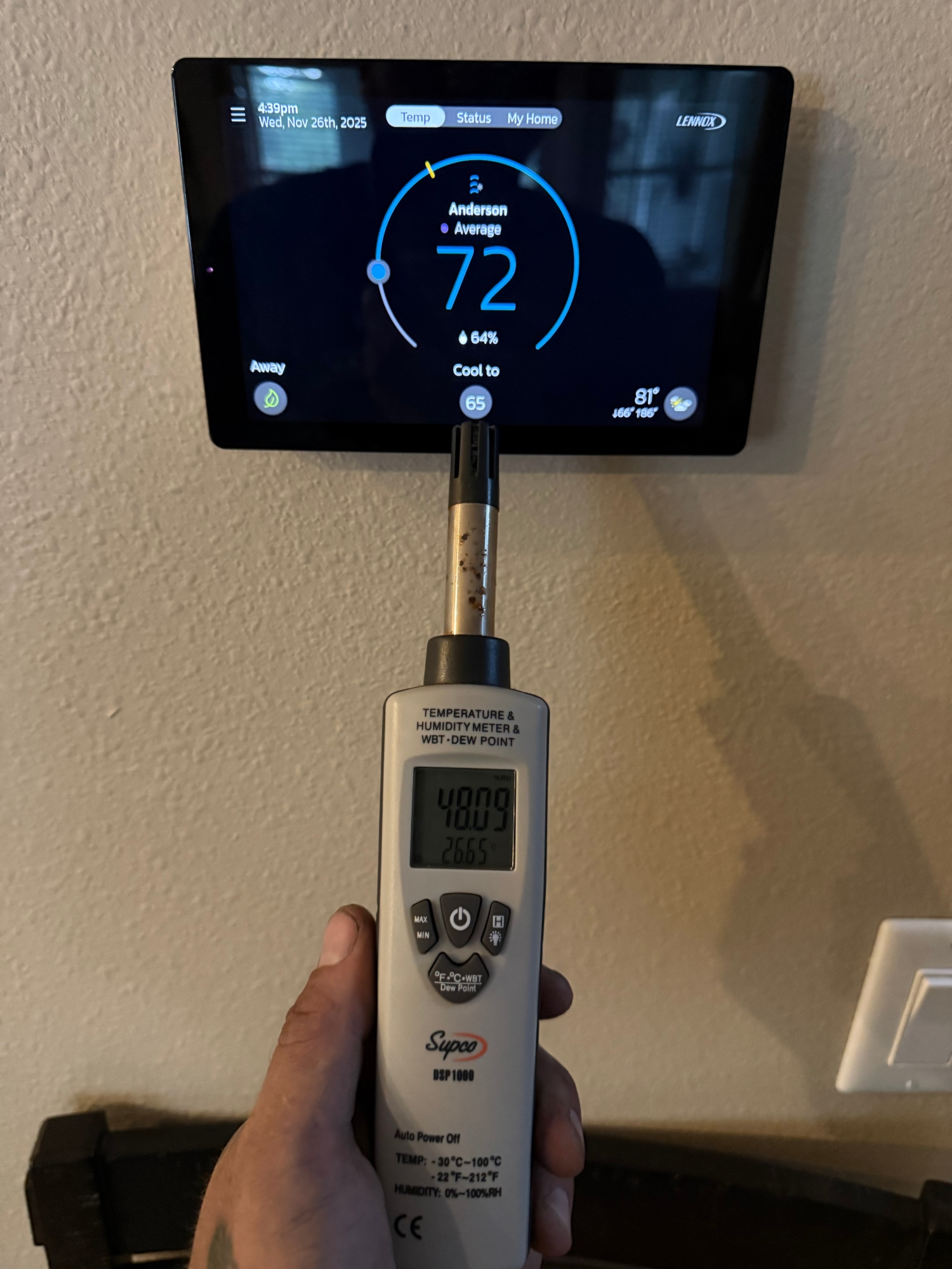
A hygrometer provides the most accurate way to measure indoor humidity levels, and maintaining readings between 30% and 60% creates a healthy home environment. Regular monitoring helps prevent mold growth, respiratory issues, and damage to furniture and electronics.
Digital hygrometers offer the most reliable and easy-to-read measurements for homeowners. These devices display humidity percentages on a clear screen and often include temperature readings as well.
Types of hygrometers:
Most digital models cost between $10 and $50. They work by measuring moisture in the air through electronic sensors. Some advanced models connect to smartphones and track humidity changes over time.
People should place hygrometers in different rooms to get accurate readings throughout the home. Basements, bathrooms, and bedrooms often have different humidity levels than living areas.
The optimal range for indoor humidity sits between 30% and 60%. This range prevents both dry air problems and excess moisture issues.
Humidity below 30% causes dry skin, irritated throats, and cracked wood furniture. Static electricity becomes more noticeable, and respiratory discomfort increases.
Humidity above 60% creates ideal conditions for mold growth and dust mites. Windows may show condensation, and musty odors can develop. Wood floors and musical instruments may warp or become damaged.
Winter months typically require keeping levels closer to 30-40% because cold air holds less moisture. Summer months often push levels toward 50-60% due to warmer temperatures and higher outdoor humidity.
Checking humidity levels twice daily helps identify patterns and problem areas. Morning and evening readings provide a complete picture of daily fluctuations.
People should keep a log of readings for at least one week. This creates a baseline understanding of normal levels in each room. Sharp increases often signal leaks, poor ventilation, or weather changes.
Key monitoring practices:
Replace hygrometer batteries annually to ensure consistent performance. Position devices away from windows, doors, and heat sources for the most accurate readings.
Controlling indoor moisture requires a combination of mechanical solutions, proper airflow, and structural maintenance. These three approaches work together to maintain comfortable humidity levels and prevent mold growth.
A home dehumidifier removes excess moisture from indoor air by pulling humid air through cold coils where water condenses and collects in a tank or drains away. These devices work best when sized correctly for the space they serve.
Homeowners should choose a dehumidifier based on the square footage of the area and the severity of the moisture problem. Units are rated by how many pints of water they can remove in 24 hours. A 30-pint model works well for moderately damp spaces up to 1,500 square feet, while larger or damper areas need 50-pint or 70-pint models.
Placement matters for optimal performance:
Regular maintenance keeps the device running efficiently. Empty the water collection tank daily or connect a drain hose for continuous operation. Clean or replace the filter every few weeks to maintain airflow.
Moving air prevents moisture from settling on surfaces and creating damp conditions. Opening windows when outdoor humidity is lower than indoor levels allows fresh air to replace stale, moist air.
Exhaust fans in bathrooms and kitchens remove moisture at the source. Run bathroom fans during showers and for 20-30 minutes afterward. Kitchen exhaust fans should operate while cooking, especially when boiling water or using the dishwasher.
Ceiling fans and portable fans improve air circulation throughout the home. These devices help distribute air more evenly and prevent pockets of humid air from forming in corners or closed-off rooms. Running the HVAC system fan continuously instead of on auto mode also maintains better air movement.
Water entering the home from outside or through plumbing issues directly increases indoor humidity. Even small leaks add moisture to the air constantly.
Check these common problem areas:
Foundation drainage problems cause moisture to seep through basement walls and floors. Gutters and downspouts must direct water at least 6 feet away from the foundation. Grading around the home should slope away from the structure.
Repairing these issues stops new moisture from entering the space. This makes other humidity control methods more effective and prevents ongoing damage to the home's structure.
Plants absorb moisture through their leaves while certain building materials and design choices prevent dampness from accumulating in living spaces. Smart home layout decisions work alongside the right plant selections to maintain comfortable humidity levels.
Some houseplants naturally pull excess moisture from the air through their leaves. These plants work as living dehumidifiers without electricity costs.
Peace lilies thrive in bathrooms and other damp areas. They absorb humidity through their large leaves while filtering air pollutants.
Boston ferns excel at moisture absorption. These plants need regular watering but remove significant amounts of water vapor from surrounding air.
English ivy grows well in humid conditions and absorbs moisture efficiently. It works particularly well in basements or rooms with poor ventilation.
Other effective options include:
Plants work best when grouped together in problem areas. Multiple plants create a stronger dehumidifying effect than single specimens.
Proper ventilation forms the foundation of humidity control. Opening windows on opposite sides of a home creates cross-ventilation that moves humid air outside.
Exhaust fans in bathrooms and kitchens should vent directly outdoors. These fans must run during and after showers or cooking to remove moisture at its source.
Strategic furniture placement matters. Keeping furniture a few inches away from walls allows air circulation behind large pieces. This prevents moisture from getting trapped and forming mold.
Dark colors absorb heat and can increase condensation. Lighter wall colors reflect light and help maintain more stable temperatures, reducing moisture buildup.
Room layout affects airflow significantly. Avoid blocking vents or windows with furniture. Clear pathways let air move freely throughout spaces.
Certain building materials naturally repel moisture or allow it to escape rather than accumulate.
Tile and stone resist water damage in bathrooms and kitchens. These materials don't absorb moisture like wood or drywall.
Cedar and redwood contain natural oils that resist moisture and prevent mold growth. These woods work well for closets and storage areas.
Lime plaster absorbs excess humidity when levels are high and releases it when air becomes dry. This traditional material regulates moisture naturally.
Metal roofing prevents moisture from entering through the roof. Unlike asphalt shingles, metal doesn't trap water vapor.
Concrete floors sealed properly resist moisture from the ground. Unsealed concrete can release humidity into living spaces.
Avoid wall-to-wall carpeting in humid climates. Carpet traps moisture and promotes mold growth. Hard flooring with area rugs offers better moisture control.
High humidity in a home creates real problems that need attention. Mold growth, structural damage, and health issues all stem from too much moisture in the air. The good news is that homeowners can take control of these problems.
Each home faces different humidity challenges. A basement might need different solutions than a bathroom or kitchen. The climate outside also affects indoor moisture levels.
Taking action now prevents bigger problems later. Mold can damage walls and furniture while making people sick. Wood floors and furniture can warp or rot. Paint may peel and wallpaper can bubble.
Homeowners should check their humidity levels with a simple hygrometer. The ideal indoor humidity sits between 30% and 50%. When levels go higher, it's time to use the tools and methods available.
Regular maintenance makes a difference. Checking ventilation systems, cleaning gutters, and inspecting for leaks keeps humidity under control. Small efforts add up to create a healthier, more comfortable living space.
The right approach depends on the specific situation. Some homes need professional help while others just need basic adjustments. Either way, addressing humidity protects both the house and the people living in it.
Schedule a professional humidity control service with Gary Air to identify moisture sources and restore healthy indoor humidity levels throughout your home.






.avif)

