


Learn how to identify the HVAC filter sign for replacement with Gary Air. Maintain indoor air quality, energy efficiency, and comfort with timely filter changes.
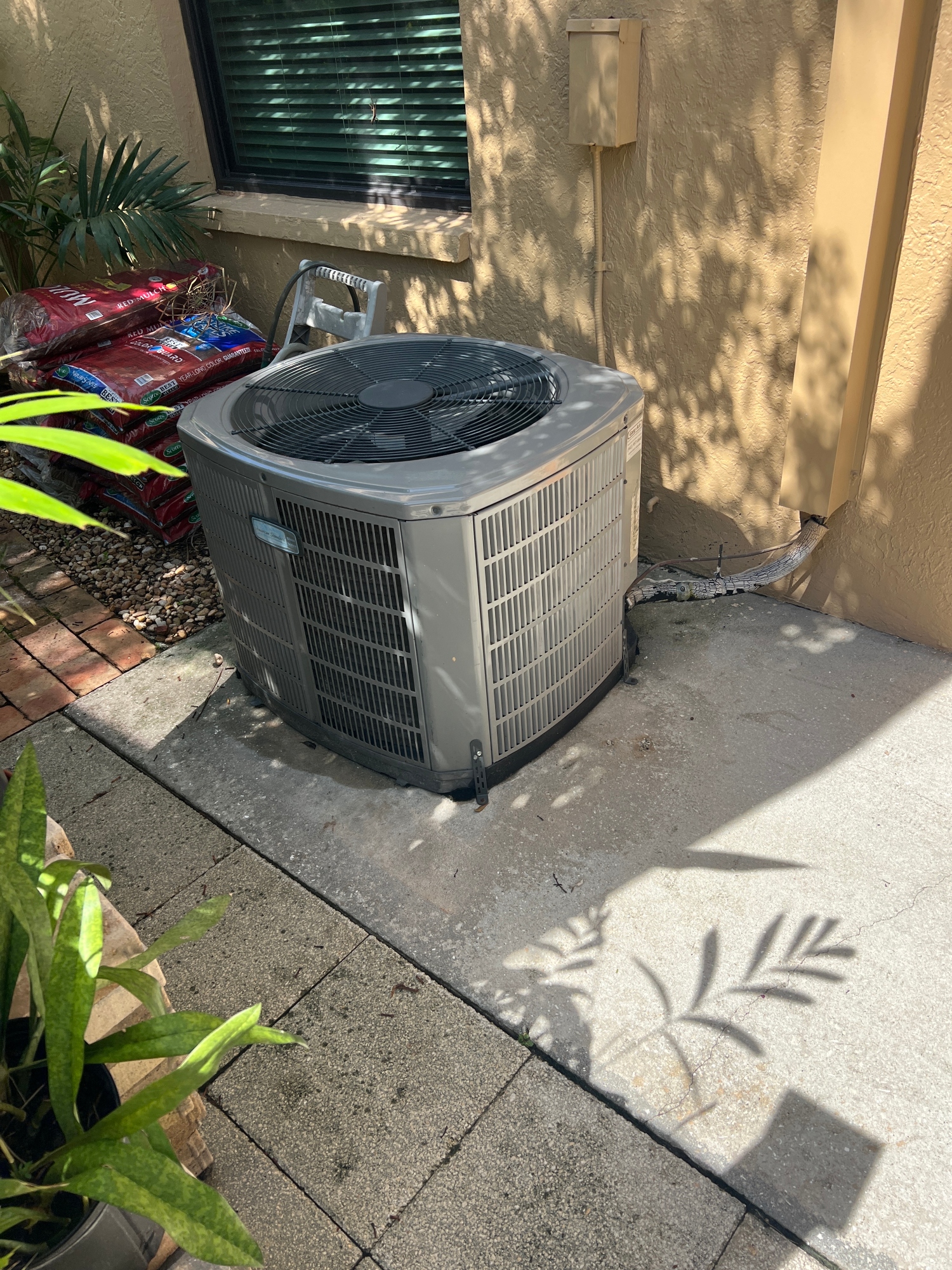
Your HVAC system works hard to keep your home comfortable, but it needs a clean filter to do its job well. A dirty or clogged filter makes your system work harder, which can lead to higher energy bills and costly repairs. The most common signs your HVAC filter needs replacement include reduced airflow from vents, more dust in your home, higher energy bills, and unusual sounds coming from your system.
Many homeowners forget about their air filter until problems start to appear. Changing your filter regularly is one of the easiest ways to protect your HVAC system and improve the air quality in your home.
This guide will show you how to recognize when your filter needs changing and what steps to take. You'll learn practical ways to keep your system running smoothly and your indoor air clean.
Here’s what you need to know:
Keep reading! Learning to spot the warning signs helps you replace your filter before small issues turn into big problems.
A dirty or clogged filter affects your entire heating and cooling system in ways that impact your comfort, health, and wallet. Recognizing when your filter needs changing helps you avoid problems before they start.
When you ignore filter replacement signs, dust and debris accumulate throughout your HVAC system. The filter acts as the first line of defense against particles entering your system. Once it becomes too clogged, particles bypass the filter and settle in your ductwork, vents, and on the system's internal components.
This buildup creates several problems. Your vents will blow dust into your rooms every time the system runs. You'll notice more dust on your furniture, floors, and surfaces even right after cleaning.
The debris also coats the evaporator coils and other mechanical parts inside your HVAC unit. These dirty components can't work efficiently. They may fail sooner than expected, leading to expensive repairs.
According to UF/IFAS Extension, the indoor evaporator coil is “constantly wetted” during Florida’s cooling season and acts like a magnet for dust—so dirt buildup on the indoor coil is described as the single most common cause of poor efficiency, which is why timely filter changes matter.
Your HVAC system needs proper airflow to heat or cool your home effectively. A dirty filter blocks air from moving through the system. Your vents will feel weaker, and some rooms may not reach the temperature you set on your thermostat.
When airflow decreases, your system runs longer to try to reach the desired temperature. This extra runtime puts stress on the blower motor and other components. The motor works harder to push air through the blocked filter, which can cause it to overheat or wear out faster.
You might hear unusual sounds like whistling or humming from your vents. These noises indicate restricted airflow caused by a clogged filter. Replacing the filter restores normal airflow and eliminates these problems.
The air you breathe inside your home passes through your HVAC filter multiple times each day. A clean filter traps allergens, pollen, pet dander, mold spores, and bacteria. When the filter gets too dirty, it can't capture these particles anymore.
Poor indoor air quality affects everyone in your household. You may experience more allergy symptoms, sneezing, coughing, or breathing difficulties. People with asthma or respiratory conditions often notice their symptoms get worse.
A saturated filter may even release trapped particles back into your air. This happens when air pressure forces particles through or around the clogged filter material. Regular filter replacement keeps your indoor air clean and healthy.
Your HVAC system uses more electricity when it struggles against a dirty filter. The U.S. Department of Energy reports that replacing a clogged filter can lower your air conditioner's energy consumption by 5% to 15%.
Higher energy bills are often the first sign homeowners notice. Your system runs longer cycles and works harder to maintain comfortable temperatures. This increased runtime shows up directly on your monthly utility bill.
The extra energy use adds up quickly over weeks and months. A new filter costs between $10 and $30 depending on the type. The money you save on energy bills typically covers the filter cost within the first month.
Your heating and cooling system represents a major investment in your home. Most systems last 15 to 20 years with proper maintenance. Ignoring filter replacement signs can cut that lifespan significantly.
A clogged filter forces every component to work harder than designed. The compressor, blower motor, and heat exchanger all experience extra wear. These parts may fail years earlier than they should.
System breakdowns often happen during extreme weather when you need heating or cooling most. Emergency repairs cost more than scheduled maintenance. Replacing your HVAC system early costs thousands of dollars you didn't need to spend.
Changing your filter when you notice the warning signs is simple preventive maintenance. This small action protects your equipment investment and helps you avoid major repair bills.
Your HVAC filter shows clear warning signs when it needs to be changed. Recognizing these indicators helps you maintain good air quality and avoid expensive repairs.
The easiest way to check your filter is to look at it directly. Remove the filter from your HVAC system and hold it up to a light source. A clean filter lets light pass through, while a dirty one blocks most of the light.
You'll notice a gray or brown layer covering the surface when your filter needs replacement. Dust, pet hair, and debris build up over time and create a thick coating. This buildup stops air from flowing properly through your system.
Check your filter every 30 days by removing it and examining both sides. If you can't see the filter material through the dirt, it's time for a new one. White or light-colored filters make it easier to spot when dirt has accumulated.
Weak airflow from your vents signals a clogged filter. Place your hand near a supply vent while your HVAC system runs. The air should feel strong and consistent.
A dirty filter blocks air from moving through your system. Your HVAC has to work harder to push air through the blocked filter. This creates noticeable differences in how much air reaches each room.
You might notice some rooms feel stuffy or don't heat or cool as well as they used to. The temperature in your home takes longer to reach your thermostat setting. These problems often start small but get worse as the filter becomes more clogged.
Your energy costs go up when your filter gets dirty. A clogged filter forces your HVAC system to run longer to maintain comfortable temperatures. This extra runtime shows up directly on your utility bills.
Compare your current energy bills to the same months from previous years. An increase of 10-15% or more could point to filter problems. Your system uses more electricity or gas to compensate for restricted airflow.
Regular air filter replacement helps keep your energy costs stable. A clean filter allows your HVAC to operate at normal efficiency levels. Most homeowners save money in the long run by changing filters on schedule rather than waiting for problems to develop.
Indoor air quality drops when your filter stops working properly. You might experience more sneezing, coughing, or congestion while inside your home. Family members with asthma or allergies often notice symptoms getting worse.
A saturated filter can't trap new particles effectively. Dust, pollen, and other allergens circulate through your home instead of being captured. You may see more dust settling on furniture and surfaces between cleanings.
People spending time in rooms with poor air quality often complain of headaches or fatigue. Your eyes might feel itchy or irritated. These symptoms typically improve within days of installing a fresh filter.
Your HVAC system shouldn't make unusual sounds during normal operation. A whistling or wheezing noise often indicates air struggling to pass through a blocked filter. The restricted airflow creates pressure that produces these sounds.
You might hear your system cycling on and off more frequently than normal. This happens because the unit can't move enough air to reach the desired temperature efficiently. Some systems make a rattling sound if the dirty filter starts to bend or warp from pressure.
Listen for changes in how your system sounds when it starts up or runs. New noises that weren't present before usually mean something needs attention. Checking and replacing your filter should be your first troubleshooting step when you hear strange sounds.
Knowing when to replace your HVAC filter requires checking physical signs on the filter itself, tracking usage time, and paying attention to system alerts. These indicators help you maintain clean air and keep your system running efficiently.
A visual inspection reveals the most obvious signs that your filter needs replacement. Pull out your filter and hold it up to a light source. If you can't see light passing through the material, the filter is clogged and needs to be changed.
Clean filters appear white or light-colored depending on the brand. Dirty filters turn gray, brown, or black from accumulated dust and particles. You'll also notice visible debris like pet hair, lint, and dust clumps on the surface.
Check both sides of the filter during your inspection. Sometimes one side looks cleaner than the other, but both sides collect particles. Dark streaks or spots indicate concentrated buildup in specific areas.
The filter material should maintain its shape and structure. If the filter appears warped, torn, or damaged, replace it immediately regardless of how clean it looks.
Most standard 1-inch filters last 30 to 90 days under normal conditions. Mark your calendar with the installation date to track when replacement is due.
Higher-rated filters with MERV ratings above 8 often last longer than basic fiberglass filters. Check the manufacturer's recommended replacement schedule printed on the filter frame.
For improved filtration, the CDC advises upgrading a central HVAC filter to MERV-13 or better when the system can accommodate it, since higher-efficiency filtration helps remove more airborne particles.
Write the installation date directly on the filter frame with a marker. This simple step removes guesswork when you forget to mark your calendar.
Your usage timeline changes based on how often you run your HVAC system. Homes that run heating or cooling constantly need more frequent filter changes than homes with minimal use.
Along Florida’s Gulf Coast, the cooling season is long—NOAA/NWS climate normals for Tampa report 3,611 annual cooling degree days (1991–2020), which typically means longer AC runtime and faster filter loading, so monthly checks are a practical baseline during extended cooling demand, according to the National Weather Service (NOAA).
Modern HVAC systems include filter monitors that track usage hours and alert you when replacement is needed. These notifications appear on your thermostat display or through a mobile app.
Some systems use a simple timer that counts days or runtime hours. Others include sensors that measure air pressure across the filter to detect when airflow becomes restricted.
A filter cleaning symbol or message appears on your control panel when the system determines maintenance is due. Reset this indicator after installing a new filter so the tracking starts fresh.
Check your thermostat manual to learn how to reset filter alerts. Most systems require pressing a specific button combination or accessing a maintenance menu.
Replace filters before peak heating and cooling seasons start. Install a fresh filter in early spring before running your air conditioner and again in fall before using your furnace.
Summer months generate more filter buildup due to increased system runtime and higher pollen counts. Plan to check your filter every 30 days during hot weather.
Winter heating can dry out indoor air and create more dust circulation. Homes in cold climates should inspect filters monthly throughout the heating season.
Spring and fall bring moderate temperatures but also introduce allergens like pollen and mold spores. These particles accumulate quickly on filter material and reduce HVAC efficiency.
Disposable filters are designed for single use and must be thrown away when dirty. These filters use cardboard frames and pleated paper or fiberglass material that breaks down over time.
Reusable filters have metal or plastic frames with washable material. Clean these filters with water every 30 days and let them dry completely before reinstalling.
Key differences:
Feature
Disposable
Reusable
Lifespan
1-3 months
3-5 years
Cleaning method
Replace only
Wash and reuse
Initial cost
Lower
Higher
MERV ratings
Varies widely
Usually 4-8
Reusable filters require proper drying to prevent mold growth. Never install a damp filter in your HVAC system. Allow 24 hours for complete air drying.
Disposable filters offer higher MERV ratings for better filtration but cost more over time. Reusable options save money long-term but provide less filtration for allergens and small particles.
Replacing your HVAC filter on schedule protects your system from strain, keeps your home comfortable, and helps maintain clean air. These benefits work together to save you money and support your health.
A clean filter allows air to flow freely through your system. When air moves without restriction, your HVAC unit doesn't have to work as hard to heat or cool your home. This means your system uses less energy to maintain the temperature you want.
Dirty filters force your HVAC system to run longer cycles. The extra strain increases your energy bills because the unit consumes more electricity or gas. You'll notice the difference in your monthly utility costs when you keep filters fresh.
Your system also maintains better temperature control with a clean filter. The equipment can respond faster to thermostat changes and distribute air more evenly throughout your home.
Fresh filters help your HVAC system deliver steady temperatures in every room. You won't experience hot or cold spots that make some areas uncomfortable while others feel just right.
Airflow stays strong from all your vents when filters are clean. Weak airflow makes rooms feel stuffy and prevents proper air circulation. Strong, consistent airflow creates a more pleasant living environment.
Your system responds better to your thermostat settings with regular filter changes. The unit reaches your desired temperature faster and holds it without constant cycling on and off.
Clogged filters cause several problems that lead to breakdowns. Dust and debris can enter your system and damage sensitive components like the blower motor or evaporator coils.
Regular filter replacement prevents these costly repairs. A new filter costs a few dollars, while emergency repairs can run into hundreds or thousands. Simple maintenance protects your investment in your HVAC system.
Your equipment lasts longer when filters are changed on time. Systems that run without excess strain from dirty filters can operate for their full expected lifespan of 15 to 20 years.
Clean filters trap dust, pollen, pet dander, and other particles before they circulate through your home. This process helps improve indoor air quality by removing contaminants from the air you breathe.
Timely replacement keeps your filter working at full capacity. Old filters become saturated and can't capture new particles effectively. Some trapped contaminants may even get released back into your air.
Better air quality benefits everyone in your household. You'll notice less dust on furniture and fewer respiratory irritants. People with allergies or asthma often experience fewer symptoms when filters are replaced regularly.
Your HVAC manufacturer sets specific filter change intervals for good reasons. Following these guidelines keeps your warranty valid and protects you from coverage denial if problems occur.
Most manufacturers recommend filter changes every 30 to 90 days. The exact timing depends on your filter type, household size, and whether you have pets. Check your system's manual for specific instructions.
As a baseline maintenance interval, the DOE recommends cleaning or changing HVAC filters about every 3 months (or as the manufacturer/installer recommends) to maintain airflow and system performance.
Documented filter changes provide proof of proper maintenance. Keep receipts or maintenance records to show you've followed the recommended schedule. This documentation becomes important if you need warranty service or want to sell your home.
Regular HVAC filter maintenance helps your system run efficiently and keeps your indoor air clean. Simple actions like checking your filter monthly and keeping your vents clear can extend the life of your filter and prevent bigger problems.
Check your HVAC filter at least once a month to catch problems early. Pull out the filter and hold it up to a light source. If you can't see light passing through it, the filter is too dirty and needs attention.
Look for visible dirt, dust buildup, or debris on the filter surface. A thin layer of dust is normal, but thick accumulation blocks airflow and makes your system work harder.
Set a reminder on your phone or mark your calendar on the first day of each month. This simple habit takes less than five minutes but can prevent expensive repairs and keep your energy bills lower. During high-use seasons like summer and winter, you may need to inspect your filter every two to three weeks instead.
Reusable filters need regular cleaning to work properly. Most reusable filters should be cleaned every one to three months depending on your home environment. If you have pets or live in a dusty area, clean them more often.
To clean a reusable filter, turn off your HVAC system first. Remove the filter and take it outside or to a utility sink. Use a vacuum with a brush attachment to remove loose dust and debris from both sides.
Rinse the filter with water flowing in the opposite direction of normal airflow. You can use mild soap if needed, but avoid harsh chemicals that might damage the filter material. Let the filter dry completely before putting it back in your system. A damp filter can grow mold and reduce air quality.
Pay attention to signs that your filter isn't working well between replacements. More dust on furniture and surfaces means your filter isn't catching particles effectively.
Watch for allergy symptoms or respiratory issues in your household. Sneezing, coughing, or itchy eyes can indicate poor air quality from a struggling filter.
Notice if certain rooms feel stuffier than others or if there are musty odors. These signs often mean your filter is clogged and not circulating clean air properly. You can also track your energy bills each month. A sudden increase without changes in usage patterns suggests your system is working harder due to a restricted filter.
Clear all supply and return vents of furniture, curtains, and other objects. Blocked vents force your system to work harder and put extra stress on your filter.
Return vents pull air into your system, so keeping these clear is especially important for HVAC filter maintenance. Move any items within two feet of these vents to allow proper airflow.
Check that vent covers are clean and free of dust buildup. Wipe them down with a damp cloth every few weeks. Vacuum around vent openings to prevent dust from entering your ductwork and reaching your filter. Good airflow reduces the workload on your filter and helps it last longer between replacements.
Schedule professional HVAC maintenance twice a year, typically in spring and fall. Technicians can spot filter issues you might miss and check the entire system for efficiency.
Professional maintenance visits include checking your filter condition, measuring airflow, and inspecting ductwork. Technicians can recommend the right filter type and replacement schedule for your specific system and home conditions.
Spring maintenance prepares your system for summer cooling demands, while fall service gets you ready for winter heating. These visits often catch small problems before they become expensive repairs. Many HVAC companies offer maintenance plans that include regular visits, priority service, and discounts on repairs. Professional maintenance complements your monthly filter checks and ensures your system runs at peak performance year-round.
Getting help from trained professionals makes HVAC filter replacement easier and more effective. Gary Air offers expert knowledge and reliable service to keep your heating and cooling system running at its best.
Gary Air employs fully licensed technicians who understand the specifics of residential HVAC service. These professionals have worked with many different heating and cooling systems over the years. They know which filters work best for different units and how often each type needs replacement.
Licensed technicians can spot problems you might miss on your own. They check for issues like improper filter size, incorrect installation direction, or damage to the filter housing. Their training helps them identify when a dirty filter is causing other system problems.
You get accurate advice based on real experience, not guesswork. The team stays updated on new filter technologies and HVAC system requirements. This means you receive current information that applies to your specific equipment.
Your home has unique filter requirements based on several factors. Gary Air evaluates your system size, household conditions, and air quality goals. They measure your current filter dimensions and check the MERV rating your system can handle.
Technicians consider how many people live in your home and whether you have pets. They ask about allergies or respiratory concerns that affect filter choice. High-traffic homes or houses with multiple pets need more frequent filter changes than average households.
Key factors in filter assessment:
The team provides specific recommendations rather than generic advice. You learn exactly which filter to buy and when to replace it.
Gary Air specializes in residential HVAC service for homeowners in the area. The company responds quickly when you have questions about filter maintenance. You can count on consistent support throughout the year.
Service appointments fit your schedule, not just standard business hours. Technicians arrive on time and complete work efficiently. They respect your home and clean up after every service visit.
The company maintains clear communication about service needs and costs. You receive reminders when filter replacement time approaches. This prevents you from forgetting this important maintenance task.
Clean filters directly impact how much energy your HVAC system uses. Gary Air helps you maintain optimal efficiency through proper filter selection and timely replacement. A clogged filter forces your system to work harder, increasing your utility bills.
The right filter improves the air you breathe every day. Technicians match filter efficiency to your air quality needs without restricting airflow. They balance particle capture with system performance.
You learn how filter maintenance affects both comfort and costs. Regular replacement prevents dust buildup, reduces allergens, and extends equipment life. Gary Air provides guidance that protects your investment while keeping your indoor air clean.
Your HVAC filter plays a key role in keeping your home comfortable and your air clean. When you notice any warning signs, you should take action right away.
Replacing your filter on time protects your HVAC system from damage. A clogged filter makes your system work harder, which can lead to expensive repairs. Regular filter changes help your system last longer and run better.
You should check your filter every month, especially during heavy use seasons. Most filters need replacement every 1-3 months, but this depends on your home and filter type. Homes with pets, allergies, or high dust levels may need more frequent changes.
The cost of a new filter is small compared to repair bills or high energy costs. You can find replacement filters at most hardware stores or online. Keep spare filters on hand so you can change them when needed.
Making filter replacement part of your routine home maintenance keeps your indoor air quality high. It also helps you avoid unexpected breakdowns and keeps your energy bills under control. Your HVAC system will thank you with reliable performance year-round.
Schedule a residential HVAC service visit with Gary Air to confirm the correct filter size and MERV rating for your system, replace the filter properly, and verify airflow and static pressure so your equipment runs efficiently.



.avif)

