


Learn about HVAC air circulating issues, how to identify airflow problems, and solutions to maintain even, efficient air distribution in your home.
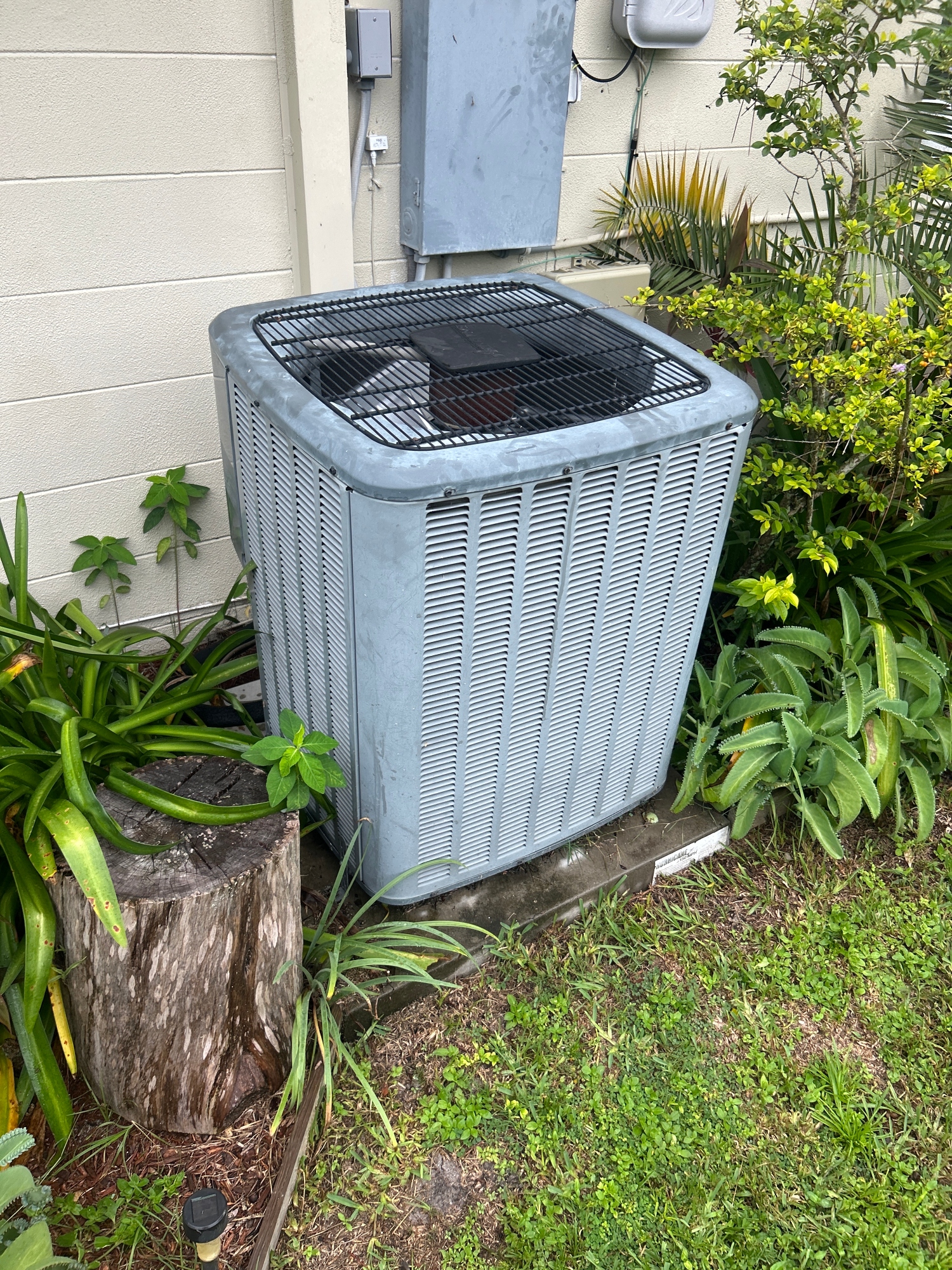
Air circulating issues in HVAC systems usually happen because of dirty filters, blocked vents, leaking ducts, or problems with the blower fan.
When you turn on your HVAC system and feel barely any air coming through the vents, it's more than just annoying. It means something is blocking or limiting the air from moving through your home the way it should. This problem can make some rooms too hot or too cold while wasting energy and money.
These problems don't always show up right away. They often develop slowly as dust builds up or parts wear down over time.
The good news is that many airflow problems have straightforward fixes. Understanding what causes poor circulation and how to spot the warning signs helps homeowners take action before small issues turn into costly repairs.
In this article, you’ll learn how to diagnose and fix an HVAC air circulating issue, including common causes (clogged filters, blocked/closed vents, duct leaks, blower problems), how to spot signs (uneven rooms, weak supply air), quick DIY checks, and when to call a pro.
Below, we’ll walk through each important aspect:
Keep reading to understand the common causes of HVAC airflow problems and what can be done to restore proper air movement throughout the home.
Air circulation problems stem from obstructions that prevent air from moving freely through the system, damage to components that distribute air, or design flaws that create inefficient airflow patterns.
Air filters trap dust, pollen, pet dander, and other particles before they enter the HVAC system. When these filters become clogged, they restrict airflow significantly.
A dirty filter forces the system to work harder to pull air through the blockage. This creates weak airflow from vents and increases energy costs. The reduced airflow also means some rooms receive less heated or cooled air than others.
Most filters need replacement every 1-3 months depending on usage and home conditions. Homes with pets, smokers, or high dust levels require more frequent changes. A filter that looks gray or brown instead of white indicates it needs replacement.
According to ENERGY STAR, check your HVAC filter monthly during heavy-use seasons and replace it at least every three months, because a dirty filter slows airflow and makes the system work harder, wasting energy.
Ignoring a clogged filter can damage the blower motor over time. The motor strains against the restriction and may overheat or fail.
Vents need clear space around them to distribute air properly throughout the home. Furniture, curtains, rugs, or other objects placed over vents block airflow to specific rooms.
Closed vents in unused rooms seem like a way to save energy, but they actually create pressure imbalances in the ductwork. These imbalances disrupt airflow through the entire system and can cause doors to rattle or shut on their own.
The system is designed to distribute a specific amount of air through all vents. Blocking some vents forces excess air through the remaining ones, which strains the system. This creates uneven heating and cooling across different areas of the home.
Each vent should have at least 6-12 inches of clearance. Homeowners should check that all supply and return vents remain open and unobstructed.
Ductwork carries conditioned air from the HVAC unit to each room. Leaks in this ductwork allow air to escape into attics, crawl spaces, or walls before reaching living areas.
Holes, gaps, or disconnected sections waste 20-30% of the air moving through the system. This lost air never reaches its intended destination, creating hot and cold spots throughout the home. Energy costs increase because the system runs longer to compensate for the lost air.
Per ENERGY STAR, in a typical home 20–30% of the air moving through ducts is lost through leaks, holes, or poor connections, which drives up utility bills and creates comfort problems.
Poor duct design also causes circulation problems. Ducts that are too small restrict airflow. Systems with too many bends or long runs lose pressure and deliver weak airflow. An HVAC unit that is too small or too large for the home cannot move enough air or runs too briefly to circulate air properly.
Visible dust around vent edges, higher utility bills, and rooms that never reach the correct temperature indicate potential ductwork issues.
Poor air circulation shows up in specific ways throughout a home. Temperature differences between rooms, weak air coming from vents, and spaces that never reach the right temperature are clear signs something is wrong with the system.
When an HVAC system struggles to circulate air properly, different areas of the home reach different temperatures. The living room might feel comfortable while the bedroom stays stuffy and warm. This happens because air isn't moving through the ductwork as it should.
The system runs longer trying to balance temperatures throughout the space. This extra runtime increases energy bills and puts unnecessary stress on the equipment. Homeowners often notice their system cycling on and off more frequently than normal.
Common causes include:
These temperature variations become more noticeable during extreme weather. Summer heat or winter cold makes circulation problems harder to ignore.
Specific rooms that consistently feel uncomfortable point to circulation problems in those areas. A bedroom might stay cold in winter even when the thermostat shows the system running. An upstairs office could feel like a sauna while downstairs stays cool.
These hot and cold spots mean conditioned air isn't reaching certain spaces. The problem often affects rooms farthest from the HVAC unit or at the end of duct runs. Second-floor rooms commonly experience these issues because warm air naturally rises and cool air sinks.
Distance from the main unit matters too. Rooms located far from the furnace or air handler receive less airflow if the system lacks proper circulation. Closing doors in these rooms makes the problem worse by blocking air return paths.
Weak air coming from supply vents signals a serious circulation problem. Homeowners can test this by holding their hand near a vent while the system runs. Strong, steady airflow should be obvious and consistent across all vents.
When airflow feels weak or barely noticeable, the system isn't moving enough air through the ductwork. This reduction happens gradually, so people might not notice until the problem becomes severe. Some vents might have strong airflow while others barely push any air at all.
Dirty filters are the most common cause of reduced airflow. The system must work harder to pull air through a clogged filter, which limits how much air reaches the vents. Blocked ducts, failing blower motors, or crushed ductwork also restrict airflow throughout the home.
HVAC systems naturally lose efficiency as they age and accumulate wear. Filters trap more particles, components degrade, and dust builds up in places that affect system performance.
Poor HVAC airflow often develops when homeowners skip routine maintenance tasks. Air filters need replacement every 1-3 months depending on usage and home conditions. When filters go unchanged for extended periods, they become clogged with dust, pet hair, and other particles that block air movement.
Neglecting professional inspections allows small problems to grow worse. Technicians check components that homeowners cannot easily access, like blower motors and internal ductwork. Without these checks, issues remain undetected until they cause noticeable airflow problems.
Maintenance also includes cleaning supply and return vents. These openings collect dust and can become blocked by furniture or curtains. Even partially blocked vents reduce the amount of air entering and leaving rooms, creating uneven temperatures throughout the home.
HVAC systems typically last 15-20 years before components start to fail. Blower motors lose power over time, reducing their ability to push air through ducts. Bearings wear out and create friction that slows fan speed.
Ductwork develops leaks at joints and seams as buildings settle and materials age. These leaks allow conditioned air to escape into attics, crawl spaces, or wall cavities before reaching living areas. Even small leaks can reduce airflow by 20-30% in affected rooms.
Fan belts stretch and crack with age, causing slippage that reduces air circulation. Older systems may have outdated designs that were less efficient from the start. These aging factors combine to gradually decrease system performance.
Dust particles that pass through filters settle inside ductwork over months and years. This buildup narrows the air passages and creates rough surfaces that slow air movement. Dust accumulation is especially heavy near vents and in horizontal duct runs.
The furnace or air handler's internal components also collect dust. The blower wheel itself can become coated with debris that throws off its balance and reduces efficiency. This coating makes the motor work harder while moving less air.
Return vents pull in more dust than supply vents because they draw air from living spaces. Pet hair, carpet fibers, and household dust concentrate at these intake points. Heavy buildup at returns restricts the amount of air the system can pull in for conditioning.
Air circulation problems stem from both external environmental conditions and internal system design issues. Temperature swings, moisture levels, blocked ducts, and poorly sized equipment all create barriers to proper airflow throughout a home.
Extreme humidity levels force HVAC systems to work harder than normal. High moisture content in the air makes it difficult for the system to maintain comfortable conditions because humid air feels warmer and requires more energy to cool. Low humidity creates different problems by drying out air and making spaces feel colder than they actually are.
Temperature extremes put significant strain on air circulation. Very hot or cold weather makes the system run longer cycles to reach desired temperatures. Sudden temperature changes between outdoor and indoor air affect how efficiently the system moves air through the space.
When outdoor temperatures drop below freezing or rise above 95 degrees, the HVAC unit struggles to maintain consistent airflow. The system may short cycle or run continuously without achieving proper circulation patterns. These conditions reduce the effectiveness of air distribution throughout the home.
Blocked or restricted ductwork stops air from reaching rooms properly. Common obstructions include:
Damaged duct lining creates additional problems by harboring mold or releasing particles into the airstream. These contaminants spread throughout the home each time the system runs. Leaky duct connections allow conditioned air to escape into unconditioned spaces like attics or crawlspaces.
Crushed or kinked flexible ductwork reduces airflow capacity by up to 75 percent in severe cases. Even minor restrictions create pressure imbalances that affect circulation in multiple rooms.
An oversized HVAC system cycles on and off too frequently to circulate air effectively. The unit reaches the thermostat setting quickly but shuts down before air circulates through the entire space. This creates hot and cold spots in different rooms.
ENERGY STAR explains that oversized air conditioners tend to short-cycle, reducing dehumidification and overall comfort because they shut off before circulating air throughout the home.
Undersized systems run constantly without meeting heating or cooling demands. The equipment cannot move enough air volume to maintain comfort levels. Rooms farthest from the unit receive weak airflow or none at all.
Poor installation practices compound these issues. Incorrectly configured duct layouts create uneven pressure distribution. Improperly placed thermostats cause the system to misread actual conditions. Missing or inadequate return air pathways prevent proper air circulation cycles from completing.
Fixing poor air circulation requires addressing the root cause, whether it's blocked filters, damaged ducts, or an unbalanced system. These solutions range from simple maintenance tasks to professional repairs.
Dirty air filters block airflow and force the HVAC system to work harder. When filters get clogged with dust, pet hair, and debris, less air moves through the vents into the home.
Homeowners should check their filters every 30 days and replace them when they look dirty. Standard filters typically need replacement every 1-3 months depending on usage and air quality. Homes with pets or allergies may need more frequent changes.
The filter location varies by system but is usually found in the return air duct or near the furnace. Replacing a filter takes just a few minutes and requires no special tools. The new filter must face the correct direction, with arrows on the frame pointing toward the duct or blower.
Using the right filter size and type matters for proper airflow. Filters that are too thick or have very high MERV ratings can restrict airflow in some systems. A standard MERV 8-11 filter works well for most homes.
Damaged or leaky ducts waste conditioned air before it reaches living spaces. Gaps, holes, and disconnected sections let air escape into attics, crawl spaces, or wall cavities.
Common duct problems include:
A visual inspection of accessible ductwork can reveal obvious problems. Homeowners should look for dust buildup around joints, listen for whistling sounds, and feel for air leaks while the system runs.
Sealing duct leaks with mastic sealant or metal tape improves circulation significantly. Duct tape actually doesn't work well for this job despite its name. Professional duct sealing may be needed for hard-to-reach areas or extensive damage.
An unbalanced HVAC system delivers too much air to some rooms and not enough to others. This happens when dampers are incorrectly set or when the system wasn't properly designed for the home's layout.
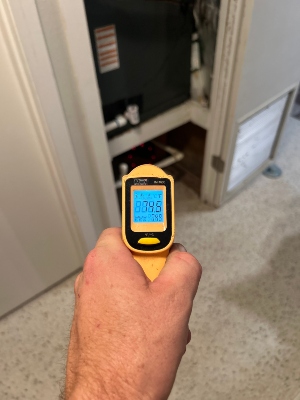
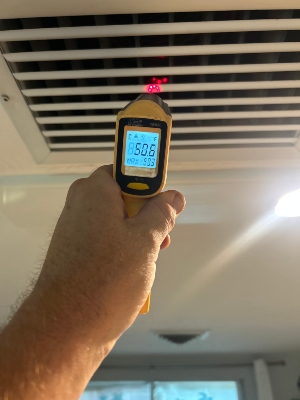
HVAC technicians use specialized tools to measure airflow at each vent. They adjust dampers in the ductwork to direct more air where it's needed. The process ensures consistent temperatures throughout the home.
System balancing becomes necessary after home additions, major renovations, or when certain rooms always feel too hot or cold. A professional can also check if the blower motor runs at the correct speed and if the system size matches the home's needs.
Regular maintenance prevents many circulation problems before they start. Annual tune-ups include cleaning components, checking refrigerant levels, and testing system performance. These visits help technicians spot potential issues during home HVAC troubleshooting before they affect comfort.
Regular maintenance directly addresses the root causes of poor air circulation by keeping system components clean and functional. Scheduled inspections catch problems early, while proper upkeep ensures consistent airflow throughout the home.
HVAC systems need professional inspections twice per year for optimal performance. Technicians should check the system before summer and winter when heating and cooling demands peak.
During these visits, professionals examine air filters, ductwork, and blower motors. They measure airflow levels and identify blockages that restrict air movement. The inspection includes checking refrigerant levels and cleaning condenser coils.
Homeowners with older systems or those in dusty environments may need quarterly inspections. Systems over 10 years old often develop circulation issues faster than newer units. Pets, smoking, or construction in the home also increase the need for frequent checkups.
Key inspection intervals:
Air filters require replacement every 1-3 months depending on usage and home conditions. Dirty filters block airflow and force the system to work harder. Homeowners should check filters monthly and replace them when they appear gray or clogged.
Keep vents and registers clear of furniture, curtains, and other obstructions. Blocked vents prevent proper air distribution and create pressure imbalances in the ductwork. Clean vent covers with a vacuum attachment to remove dust buildup.
Opening windows periodically brings fresh air inside and reduces strain on the HVAC system. Indoor plants can help purify air naturally. Homeowners should also ensure outdoor units stay clear of leaves, grass clippings, and debris that restrict airflow.
Professional maintenance prevents dust, debris, and pollutants from accumulating in system components. Technicians clean parts that homeowners cannot safely access, including blower assemblies and ductwork interiors. This cleaning improves air quality and system efficiency.
Regular servicing identifies worn belts, failing motors, and other mechanical issues before they cause complete system failure. Early detection saves money on emergency repairs and prevents uncomfortable temperature fluctuations.
Professional maintenance extends equipment lifespan by reducing wear on components. A well-maintained system experiences less stress from restricted airflow and operates at designed capacity. This consistent performance keeps energy bills lower and maintains comfortable temperatures throughout the home.
HVAC air circulation problems can stem from multiple sources. Dirty air filters, blocked vents, duct leaks, and blower motor issues are the most common causes. Each of these issues prevents air from moving properly through a home.
Regular maintenance is the best way to prevent circulation problems. Homeowners should replace air filters every 1-3 months to maintain proper airflow. This simple step keeps the system running efficiently and prevents many common issues.
When air circulation problems occur, they affect more than just comfort. Poor airflow leads to uneven temperatures, higher energy bills, and extra wear on HVAC components. The system works harder to maintain the desired temperature, which shortens its lifespan.
Professional help may be necessary for complex issues. A trained technician can diagnose problems with ductwork design, refrigerant levels, or system components that homeowners cannot easily access. They have the tools and knowledge to identify hidden issues.
Addressing circulation problems quickly prevents small issues from becoming expensive repairs. A well-maintained HVAC system provides consistent comfort, better air quality, and lower energy costs. Taking action at the first sign of weak airflow protects both the home and the heating and cooling system.
Schedule a professional airflow diagnostic and system balancing with Gary Air to measure CFM at each register, adjust damper settings, and seal duct leaks for even, efficient distribution.




.avif)

