


Your heating and cooling system keeps your home comfortable all year long, but it won't run perfectly forever. Most HVAC common issues come from dirty filters, worn parts, electrical issues, and refrigerant leaks that can be fixed or prevented with regular care.
Understanding what can go wrong helps you spot trouble early and decide when to call a professional.
Some HVAC issues are easy to fix on your own, while others need expert help. A system that won't turn on, makes strange sounds, or runs constantly signals different problems. Learning the warning signs saves you money and prevents small issues from becoming major repairs.
This guide covers the most common HVAC problems and explains why they happen. You'll learn how to recognize when something is wrong, what causes systems to lose power over time, and how weather affects performance.
Here’s what you need to know:
Most importantly, you'll discover which problems you can solve yourself and when it's time to call for help.
HVAC systems can develop several issues that affect comfort and efficiency. Refrigerant leaks, thermostat malfunctions, and restricted airflow are among the most common problems that require attention.
Refrigerant is the substance that allows an HVAC system to remove heat from indoor air. When refrigerant levels drop due to leaks, the system cannot cool properly.
Homeowners may notice their air conditioner running constantly without reaching the desired temperature. Ice buildup on the evaporator coils is another clear sign of low refrigerant. The system may also produce hissing or bubbling sounds near the refrigerant lines.
Common causes of refrigerant leaks include:
Low refrigerant never fixes itself. The system needs a professional to locate the leak, repair it, and recharge the refrigerant to the correct level. Running an HVAC system with low refrigerant damages the compressor and increases energy costs.
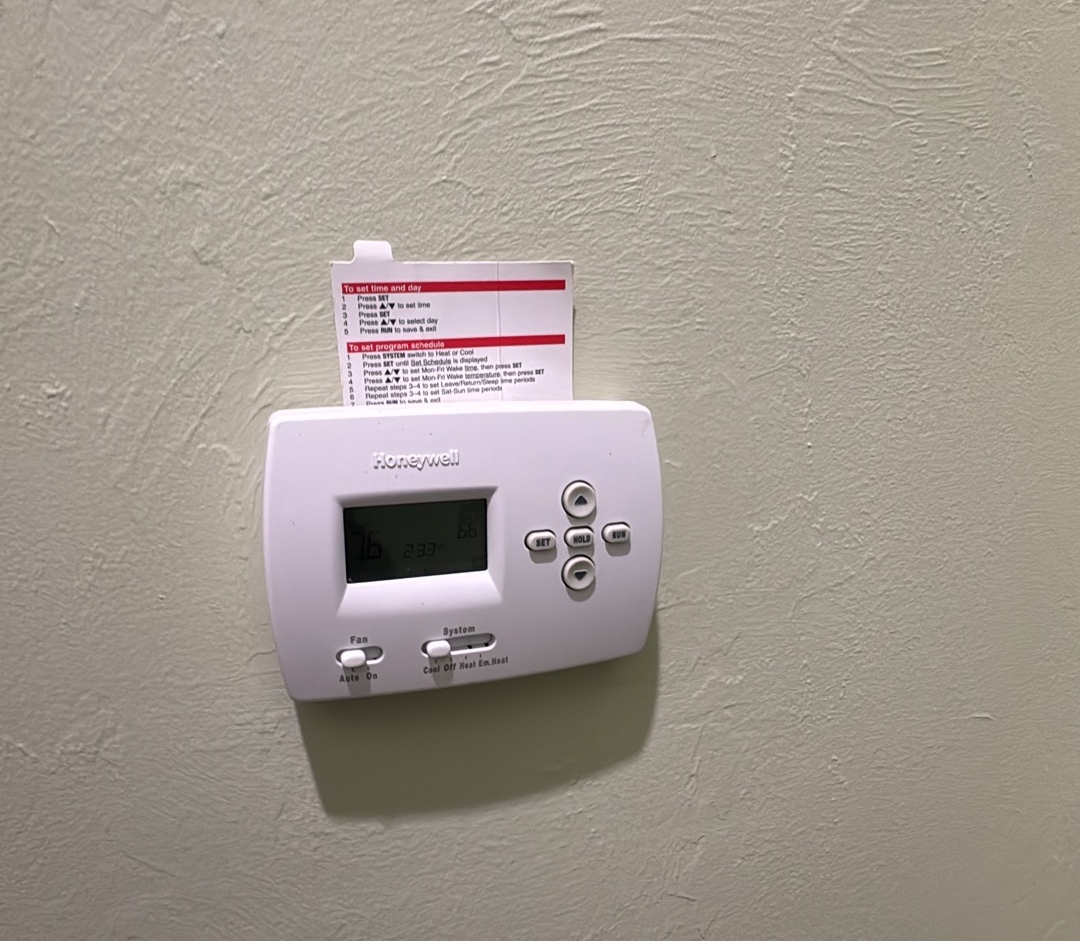
A thermostat tells the HVAC system when to turn on and off based on temperature readings. When it malfunctions, the entire system fails to operate correctly.
Faulty thermostats cause the system to cycle on and off too frequently or not run at all. Some thermostats lose their calibration and read temperatures incorrectly. This leads to rooms that feel too hot or too cold despite the thermostat setting.
Dead batteries are the simplest cause of thermostat problems. Other issues include loose wiring, dust buildup on internal sensors, and incorrect placement near heat sources or drafts. Older mechanical thermostats wear out over time and need replacement.
Homeowners should check battery levels first and ensure the thermostat is set to the correct mode. If these steps don't resolve the issue, the thermostat may need recalibration or replacement with a newer model.
Air filters trap dust, pollen, and other particles before they enter the HVAC system. When filters become clogged, they restrict airflow throughout the entire system.
Reduced airflow forces the system to work harder to circulate air. This increases energy consumption and utility bills. Clogged filters also cause uneven temperatures between rooms and reduced comfort levels.
The system may freeze up when airflow is severely restricted. Dirt and debris bypass dirty filters and accumulate on internal components like coils and blower motors. This buildup reduces efficiency and can lead to expensive repairs.
Signs of clogged filters include:
Filters need replacement every 1-3 months depending on usage and home conditions. Homes with pets or allergies require more frequent changes.
Check and replace filters on a regular schedule, according to ENERGY STAR, you should check your HVAC filter monthly during heavy-use seasons and replace it at least every three months because a dirty filter restricts airflow and wastes energy.
HVAC systems show clear warning signs when something goes wrong. Problems like uneven temperatures, unusual sounds, and rising energy costs often point to specific issues that need attention.
When some rooms feel much warmer or cooler than others, the HVAC system isn't distributing air properly. This problem often starts in specific areas of the home before spreading to other rooms.
Blocked or dirty air vents restrict airflow and create temperature differences between rooms. Ductwork leaks let treated air escape before it reaches certain areas, making those spaces uncomfortable.
A failing compressor or blower motor struggles to push air throughout the entire system. Low refrigerant levels reduce the system's ability to cool or heat effectively.
Thermostat problems can also cause uneven temperatures. When the thermostat reads temperatures incorrectly, it signals the system to shut off too early or run too long. This creates hot and cold spots throughout the home.
Normal HVAC operation produces a quiet hum, but loud or unusual sounds indicate mechanical problems. Different noises point to specific issues within the system.
Banging or clanging suggests loose or broken parts inside the unit. These sounds often come from the blower assembly or loose panels. Screeching or squealing typically means worn-out belts or motor bearings that need replacement.
Hissing sounds usually indicate refrigerant leaks or air escaping from damaged ductwork. Rattling or buzzing points to loose screws, debris in the system, or electrical problems.
Vibrations felt through walls or floors show mounting problems or an unbalanced blower wheel. Ignoring these sounds leads to bigger repairs down the road.
Sudden increases in energy costs often signal HVAC system problems. When the system works harder to maintain temperatures, it uses more power and drives up utility bills.
Dirty or clogged air filters force the system to run longer cycles to reach the set temperature. Old or failing equipment loses efficiency over time and consumes more energy to produce the same heating and cooling output.
Refrigerant leaks make the system run continuously without reaching the desired temperature. Duct leaks waste treated air and force the system to work overtime.
A system that cycles on and off frequently uses more energy than one running steady, efficient cycles. Bills that jump 15-20% or more without changes in usage patterns indicate the system needs professional inspection.
HVAC systems naturally decline in performance due to dirt buildup, aging components, and component failures. These factors work together to reduce efficiency, increase energy costs, and create comfort problems in the home.
Dust, dirt, and debris accumulate inside HVAC systems during normal operation. This buildup blocks airflow through filters, coils, and ducts. When airflow drops, the system works harder to heat or cool the space.
Dirty evaporator coils reduce heat transfer by up to 30%. The compressor then runs longer to reach the desired temperature. Air filters clogged with dust force the blower motor to strain, which draws more power and delivers less air.
Common areas affected by dirt buildup:
Homes with leaky ducts lose up to 20% of conditioned air before it reaches living spaces. Regular cleaning and filter changes prevent most dirt-related problems. Systems without routine maintenance lose 5% efficiency each year.
According to ENERGY STAR, in a typical home 20–30% of the air moving through ducts is lost due to leaks, holes, or poor connections, leading to higher utility bills and comfort issues.
Mechanical components wear down through constant use. Motors, bearings, and belts degrade from friction and heat exposure. This wear increases over months and years of operation.
Refrigerant lines develop small leaks that reduce system pressure. Low refrigerant forces the compressor to work harder while producing less cooling. Worn fan motors spin slower and move less air than when new.
Belts stretch and slip, reducing power transfer to the blower. Bearings lose lubrication and create friction that wastes energy. A 15-year-old system typically operates 20-30% less efficiently than it did when installed.
Capacitors weaken over time and fail to provide proper voltage to motors. This makes the compressor and fan motors draw more electricity while delivering reduced output. Contactors develop pitting and corrosion that creates electrical resistance.
Thermostats lose calibration and send incorrect signals to the system. The unit then cycles on and off at the wrong times. Control boards fail from heat exposure and power surges.
Signs of electrical problems:
HVAC troubleshooting often reveals multiple small failures rather than one major problem. Early detection through testing prevents complete system breakdowns.
Outdoor temperatures place direct demands on HVAC systems, forcing them to work harder during extreme weather. The system's efficiency drops when it must bridge larger temperature gaps between indoor and outdoor air.
Air conditioners face their biggest challenges when outdoor temperatures climb above 95°F. The system must run longer cycles to remove heat from indoor air and transfer it outside. This extended operation increases energy consumption by 15-20% for every 10 degrees above normal operating conditions.
The compressor works overtime during heat waves. It must compress refrigerant to higher pressures to maintain the temperature difference needed for effective cooling. This extra strain can lead to overheating and premature wear on components.
Hot weather also reduces the system's ability to reject heat efficiently. The condenser coil struggles to release heat when outdoor air is already hot. This means the unit runs more often but delivers less cooling per cycle.
Heating systems face increased demands when outdoor temperatures drop below 30°F. Furnaces and heat pumps must run longer to maintain comfortable indoor temperatures. Heat pumps lose efficiency rapidly in freezing conditions because they extract warmth from cold outdoor air.
Below 25°F, most heat pumps activate backup electric heating. This emergency heat costs 2-3 times more to operate than the heat pump alone. Some systems struggle to keep up entirely when temperatures fall below 10°F.
Cold weather also causes physical stress on equipment. Metal components contract and seals become brittle. Frozen condensate lines can block drainage and cause system shutdowns.
Spring and fall maintenance prevents weather-related breakdowns. Clean or replace air filters monthly during peak seasons. Dirty filters force the system to work 5-15% harder.
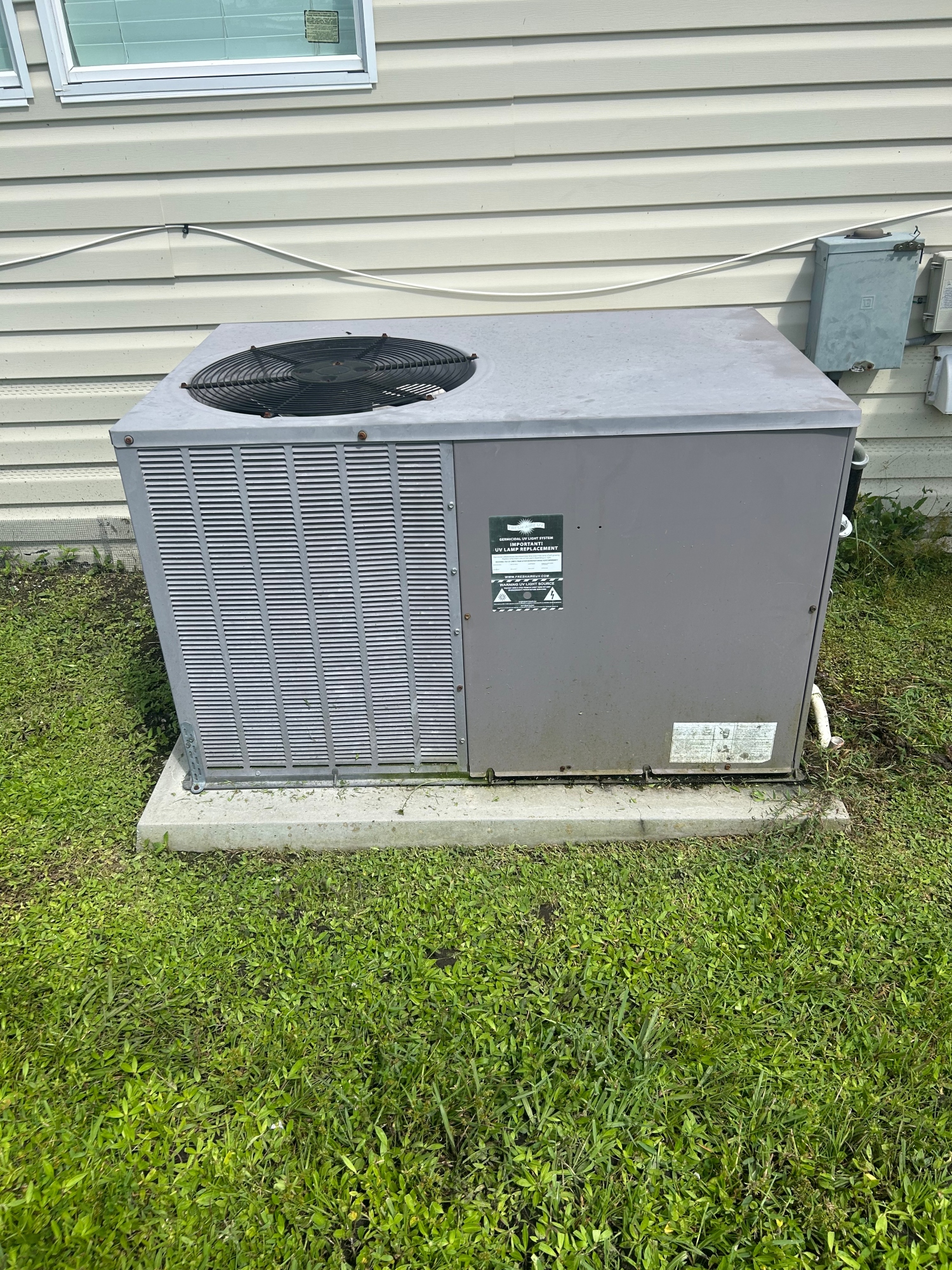
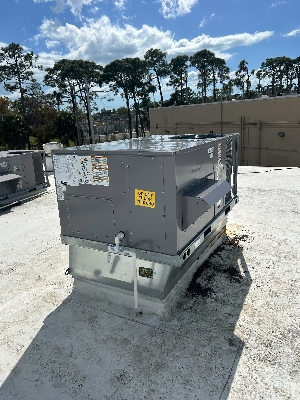
Clear debris from outdoor units regularly. Remove leaves, grass clippings, and dirt from condenser coils. Maintain at least two feet of clearance around the unit for proper airflow.
Schedule professional tune-ups twice yearly. Technicians should check refrigerant levels, test electrical connections, and inspect ductwork. These inspections catch small problems before extreme weather turns them into expensive repairs.
Most HVAC problems can be fixed through professional service, regular filter maintenance, or checking key system components. These solutions address the root causes of heating and cooling issues.
Hiring a licensed HVAC technician is the best solution for complex problems. Professionals have the training and tools to diagnose issues that homeowners can't easily fix themselves.
Technicians can repair refrigerant leaks, fix electrical problems, and replace broken parts safely. They know how to handle dangerous components like gas lines and high-voltage wiring. A yearly maintenance visit helps catch small problems before they become expensive repairs.
Regular professional maintenance includes cleaning the system, testing all components, and adjusting settings for better performance. Most experts recommend scheduling service twice a year, once before summer and once before winter. This keeps the system running efficiently and extends its lifespan.
Professional service is necessary for warranty coverage on many HVAC systems. Trying to fix complex problems without proper training can void warranties and create safety risks.
Dirty filters are the most common cause of HVAC problems. Replacing filters every 1-3 months is a simple solution that homeowners can do themselves.
Clean filters improve airflow and help the system heat or cool more effectively. When filters get clogged with dust and debris, the system has to work harder. This increases energy bills and puts extra wear on the equipment.
Most homes use standard filters that cost between $5 and $20. Higher-quality filters trap smaller particles but may need replacement more often. The filter location is usually near the return air vent or inside the furnace cabinet.
Checking filters monthly helps determine the right replacement schedule. Homes with pets or lots of dust may need more frequent changes.
Low refrigerant levels cause poor cooling and ice buildup on the outdoor unit. Only licensed technicians should add refrigerant since it requires special equipment and certification.
Per the U.S. EPA, only Section 608–certified technicians may purchase or handle refrigerants for stationary HVAC systems, and improper handling can violate federal regulations.
Refrigerant doesn't get used up during normal operation. Low levels mean there's a leak that needs repair. Adding more refrigerant without fixing the leak wastes money and doesn't solve the problem.
Electrical issues like tripped breakers or blown fuses can stop the system from running. Homeowners can check the circuit breaker and reset it if needed. They should also look for loose wires or damaged connections at the thermostat.
Common electrical checks include:
If electrical problems continue after basic checks, a technician needs to inspect the system. Faulty capacitors, contactors, or control boards require professional replacement.
Regular maintenance directly prevents most HVAC problems by catching issues early and keeping system components clean and properly adjusted. Professional inspections combined with basic homeowner care can stop breakdowns before they happen and extend equipment life by several years.
Professional technicians should inspect HVAC systems twice per year. Schedule one visit in spring before cooling season and another in fall before heating season begins.
During these visits, technicians check refrigerant levels, test electrical connections, and inspect the heat exchanger for cracks. They also measure airflow, calibrate thermostats, and lubricate moving parts.
Key inspection tasks include:
Homeowners should also schedule immediate service when they notice unusual noises, weak airflow, or higher energy bills. These signs often indicate problems that will worsen without attention.
Homeowners can handle several maintenance tasks between professional visits. Change air filters every 1-3 months depending on usage and filter type. Dirty filters restrict airflow and force systems to work harder.
Keep outdoor units clear of debris, leaves, and vegetation. Trim plants back at least two feet from the unit on all sides. Clean the area around indoor vents and registers to maintain proper airflow throughout the home.
Check thermostat batteries twice per year and replace them as needed. Wipe down the thermostat cover to prevent dust buildup that can affect sensor accuracy.
Listen for unusual sounds like grinding, squealing, or banging during operation. These noises signal worn parts that need replacement before they fail completely.
Professional maintenance catches problems that homeowners cannot detect without specialized tools. Technicians use refrigerant gauges, electrical meters, and temperature sensors to measure system performance accurately.
Regular servicing improves energy efficiency by 15-20% compared to neglected systems. Clean coils, proper refrigerant levels, and calibrated thermostats reduce energy waste and lower monthly utility costs.
Professional maintenance extends equipment lifespan from 10-15 years to 15-20 years or more. Small repairs during routine visits cost far less than emergency breakdowns or premature system replacement.
Technicians also improve indoor air quality by cleaning components where dust, mold, and bacteria accumulate. They identify safety issues like gas leaks or electrical hazards that pose risks to household members.
HVAC systems are essential for home comfort, but they require attention and care. Most common problems can be prevented with regular maintenance and quick action when issues appear.
Many simple issues like dirty filters or tripped breakers can be fixed without professional help. However, problems involving refrigerant, electrical components, or complex mechanical parts need a trained technician.
Understanding warning signs helps homeowners act before small problems become expensive repairs. Weak airflow, unusual sounds, and higher energy bills all signal that something needs attention.
Regular maintenance extends system lifespan and improves energy efficiency. A well-maintained HVAC system uses less energy, breaks down less often, and provides better temperature control throughout the home.
Homeowners who stay proactive about maintenance and repairs protect their investment. They also ensure their families stay comfortable year-round while avoiding emergency service calls during extreme weather.
The time and money spent on preventive care pays off through lower utility bills and fewer breakdowns. A reliable HVAC system provides peace of mind and consistent comfort in every season.
Schedule a professional HVAC diagnostic and tune-up with Gary Air today to verify refrigerant charge, test electrical components, and restore proper airflow before minor faults escalate into costly repairs.




.avif)

