


Heat pumps work hard to keep homes comfortable all year long. They heat in winter and cool in summer using the same system. But when something goes wrong, homeowners need answers fast.
The most common heat pump problems include poor heating, frozen outdoor units, strange noises, refrigerant leaks, and issues caused by skipped maintenance. Most of these problems start small and get worse over time. Some can be fixed with simple checks at home. Others need a professional to step in.
This guide walks through the main issues that affect heat pumps and explains what causes them. It covers warning signs to watch for, quick fixes that work, and when to call for help.
Here's what you need to know:
Keep reading! Understanding these problems helps homeowners keep their systems running well and avoid bigger repair bills down the road.
Heat pumps stop heating due to incorrect settings, blocked airflow, or system malfunctions. Most heating problems stem from simple issues like dirty filters or thermostat errors that homeowners can fix themselves.
Thermostat issues rank among the most frequent culprits when a heat pump fails to heat. The device might be set to cooling mode instead of heating, or the temperature setting could be too low. A malfunctioning thermostat sends wrong signals to the system.
Restricted airflow prevents proper heat distribution throughout the home. Dirty air filters block air movement and force the system to work harder. Closed or blocked vents in rooms also reduce heating efficiency.
Low refrigerant levels stop the heat transfer process. Refrigerant carries heat from outside air into the home. When levels drop due to leaks, the system cannot generate enough warmth.
Reversing valve problems cause the heat pump to blow cold air instead of warm air. This valve switches the system between heating and cooling modes. A stuck valve keeps the unit in the wrong mode.
Frozen outdoor unit occurs during cold weather with high humidity. Ice buildup on the outdoor coil blocks heat absorption from outside air.
Check the thermostat first and verify it shows heat mode with a temperature setting at least 5 degrees above room temperature. Replace batteries if the display looks dim.
Inspect air filters monthly and replace them when dirty. A clogged filter is the easiest problem to fix and often restores normal heating.
According to the U.S. Department of Energy (DOE), replacing a dirty HVAC filter can reduce energy use by about 5%–15%, improving performance and lowering operating costs.
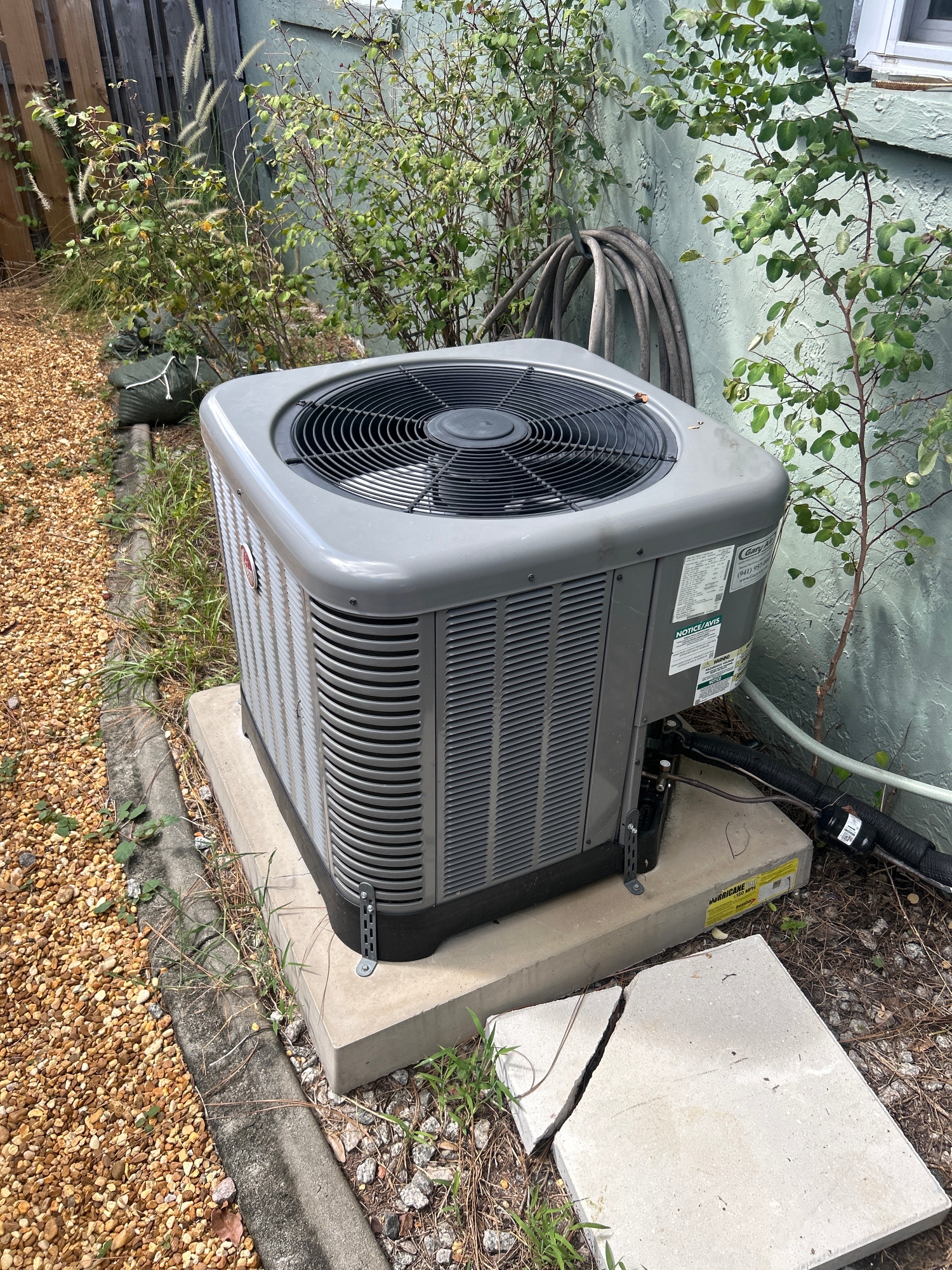
Look at the outdoor unit for ice buildup or debris. Clear away leaves, grass, and snow from around the unit. The system needs at least two feet of clearance on all sides.
Examine the circuit breaker and ensure both switches stay in the on position. Heat pumps use two breakers, and either one tripping stops the heating process.
Test all vents throughout the home and open any that were closed. Blocked vents create pressure imbalances that reduce system performance.
Call a technician if these steps don't restore heating. Refrigerant leaks, electrical failures, and reversing valve issues require professional tools and training to fix safely.
Heat pumps can develop ice buildup due to several technical issues and weather conditions that block airflow or disrupt the defrost cycle. Fixing these problems requires understanding what causes the freezing and taking steps to maintain proper system function.
Low refrigerant levels rank among the most common causes of heat pump freezing. When refrigerant runs low due to leaks, the system cannot properly absorb and release heat. This causes the outdoor coil temperature to drop too low, leading to ice formation.
Dirty air filters restrict airflow through the system. Without proper airflow, the coil gets too cold and moisture in the air freezes on contact. The same problem happens when debris like leaves, dirt, or grass clippings blocks the outdoor unit.
A broken defrost cycle prevents the heat pump from melting normal ice accumulation. Heat pumps naturally develop some frost during operation in cold weather. The defrost cycle should activate every 30 to 90 minutes to melt this frost. When the defrost control board, sensor, or reversing valve fails, ice keeps building up.
Faulty fan motors also contribute to freeze-ups. The outdoor fan must keep air moving across the coils. A slow or broken fan cannot move enough air, which causes rapid ice formation.
Homeowners should check and replace air filters every 30 to 90 days during heavy use. Clean filters maintain proper airflow and prevent many freeze-up issues before they start.
The outdoor unit needs at least two feet of clear space on all sides. Remove leaves, grass, snow, and other debris from around and on top of the unit. Check the unit weekly during fall and winter.
Schedule professional maintenance once per year. A technician will check refrigerant levels, test the defrost cycle, clean coils, and inspect electrical components. This catches small problems before they cause freeze-ups.
According to the U.S. Department of Energy’s Energy Saver, heat pumps should receive periodic professional maintenance—along with regular filter changes and coil cleaning—to sustain efficiency and reliability.
Avoid setting the thermostat more than five degrees higher than the current temperature. Large temperature jumps force the heat pump to run continuously without defrost cycles. This leads to ice buildup even on properly working systems.
Heat pumps make some normal sounds during operation, but unusual or loud noises often signal a problem that needs attention. Different sounds point to specific issues, from minor fixes to serious repairs that require immediate professional help.
Grinding noises usually mean worn-out motor bearings in the system. This is a serious problem that can lead to complete motor failure if ignored. The grinding sound can also come from loose parts rubbing together or debris stuck inside the unit.
Buzzing or humming sounds are normal when they're soft and steady. The compressor naturally creates a hum as it moves refrigerant through the system. However, loud or constant buzzing can mean electrical problems, loose components, or issues with the compressor itself.
Rattling sounds typically indicate loose screws, bolts, or panels on the unit. Debris like sticks or leaves caught in the outdoor unit can also cause rattling. Sometimes internal parts come loose and shake during operation.
Clicking noises are normal when the system turns on and off. Constant clicking points to electrical relay problems or issues with the thermostat. A failing compressor can also create repeated clicking sounds.
Squealing or screeching usually means worn belts or bad motor bearings. These high-pitched sounds often get louder as the problem gets worse.
Homeowners should call a technician immediately for grinding, squealing, or loud banging noises. These sounds indicate mechanical problems that can cause expensive damage if left unfixed. Motor bearing failure and compressor issues require professional diagnosis and repair.
Any electrical buzzing paired with burning smells needs urgent attention. This combination suggests dangerous electrical problems that could damage the system or create safety hazards.
Strange noises that get progressively louder or change in pitch over time also warrant a service call. Normal operational sounds like soft humming or occasional clicking don't need immediate attention, but sudden changes in these familiar sounds mean something has changed in the system.
Professional inspection is recommended when homeowners can't identify the noise source or when simple fixes like tightening panels don't resolve the issue.
Refrigerant leaks can quietly reduce a heat pump's efficiency and increase energy costs. Homeowners can identify these leaks through several warning signs and should understand the importance of prompt repairs.
A heat pump low on refrigerant often struggles to maintain the desired temperature. The system runs longer than normal but fails to adequately heat or cool the home.
Ice buildup on the refrigerant lines or indoor coil indicates a problem. When refrigerant levels drop, the pressure changes cause moisture in the air to freeze on cold components.
Higher energy bills without increased usage suggest the system is working harder to compensate for lost refrigerant. The heat pump must run continuously to achieve minimal results.
Hissing or bubbling sounds near the outdoor unit point to refrigerant escaping through cracks or holes in the lines. These lines can wear out, degrade, or crack over time.
The outdoor unit may show visible oil stains or residue around connections and joints. Refrigerant often carries oil through the system, so oil spots mark potential leak locations.
Continued operation with low refrigerant damages the compressor. The compressor works harder without adequate refrigerant, leading to overheating and eventual failure. This repair costs significantly more than fixing a simple leak.
Refrigerant leaks harm the environment and violate EPA regulations. Only certified technicians should handle refrigerant repairs and recharging.
Per the U.S. Environmental Protection Agency (EPA), Section 608 of the Clean Air Act requires certified technicians for servicing stationary refrigeration and A/C equipment, prohibits venting refrigerants, and sets specific leak repair requirements.
Professional repair involves locating the leak, fixing the damaged component, and recharging the system with the correct amount of refrigerant. Technicians use specialized tools to find leaks that aren't visible to homeowners.
The cost varies based on leak location and severity. Line repairs typically cost less than replacing the coil or other major components. Regular maintenance helps catch small leaks before they cause extensive damage.
Most heat pump problems trace back to skipped maintenance tasks and ignored routine checks. Dirty filters, blocked coils, and overlooked warning signs create a chain reaction of failures that affect performance and lifespan.
Many homeowners wait months or even years before changing air filters. Clogged filters block airflow and force the heat pump to work harder, which leads to higher energy bills and premature wear on the compressor.
Another common mistake involves ignoring outdoor unit clearance. Leaves, grass clippings, and debris that pile up around the unit restrict airflow. The outdoor coils need at least two feet of clear space on all sides to function properly.
Homeowners also skip annual professional inspections. These check-ups catch refrigerant leaks, electrical problems, and worn parts before they cause complete system failure. Without these visits, small issues turn into expensive repairs.
Common maintenance errors:
Monthly filter checks keep airflow strong and reduce strain on all system components. Clean or replace filters based on usage, with most homes needing changes every 1-3 months.
Visual inspections of the outdoor unit should happen quarterly. Look for bent fins, dirt buildup on coils, and debris blocking the fan. Hosing down the coils during spring and fall removes accumulated dirt that blocks heat transfer.
Homeowners should also test the thermostat settings seasonally to verify proper communication with the heat pump. Incorrect settings or a malfunctioning thermostat causes short cycling and uneven temperatures throughout the home.
Essential routine checks:
Task
Frequency
Purpose
Check/replace filters
Monthly
Maintain airflow
Inspect outdoor unit
Quarterly
Clear debris
Clean outdoor coils
Spring & Fall
Improve efficiency
Test thermostat
Seasonally
Verify operation
Professional service
Annually
Catch hidden issues
Heat pump repair costs typically range from $150 to $660 for minor problems, while major component failures can reach $2,500 or more. Understanding these costs helps homeowners budget for maintenance and decide between repair and replacement.
Minor repairs usually cost between $150 and $650. These include fixing thermostats ($20 to $200), replacing fuses or breakers ($20 to $300), and addressing simple electrical issues.
Refrigerant leaks cost $200 to $1,500 to repair depending on leak location and severity. The technician must locate the leak, fix it, and recharge the system with refrigerant.
Compressor replacement represents one of the most expensive repairs at $1,500 to $2,500. The compressor is the heart of the heat pump system.
Reversing valve repairs range from $300 to $900. This component allows the heat pump to switch between heating and cooling modes.
Coil repairs or replacements cost $650 to $2,000. Both evaporator and condenser coils can develop leaks or corrosion over time.
Most service calls include a diagnostic fee of $75 to $200, which technicians often apply toward the final repair cost.
A heat pump approaching 10 to 15 years old may not justify expensive repairs. Homeowners should replace rather than repair when costs exceed 50% of a new unit's price.
Major component failures in older systems signal replacement time. A $2,000 compressor repair on an 12-year-old unit makes little financial sense.
Frequent repairs add up quickly. Multiple service calls within a year often indicate the system is failing. New heat pumps also offer better energy efficiency, which reduces monthly utility bills and offsets replacement costs over time.
Heat pumps can develop several common problems during their lifetime. Most issues stem from simple causes like dirty filters, blocked airflow, or thermostat settings. Regular maintenance prevents many of these problems from occurring in the first place.
Homeowners can handle basic troubleshooting steps themselves. Checking air filters, clearing debris from outdoor units, and verifying thermostat settings solve many common issues. These simple checks save time and money before calling a professional.
Some problems require trained technicians with specialized tools and knowledge. Attempting complex repairs without proper training can damage the system further or void warranties.
A well-maintained heat pump runs more efficiently and lasts longer. Most systems provide reliable heating and cooling for 10 to 15 years with proper care. Addressing small problems quickly prevents them from becoming expensive repairs.
Heat pump owners who stay alert to warning signs catch issues early. Understanding common problems helps homeowners make informed decisions about repairs and maintenance.
Schedule a professional heat pump diagnostic with Gary Air today to test refrigerant charge, verify thermostat/defrost/reversing-valve operation, and restore safe, efficient heating.





.jpg)
.avif)

