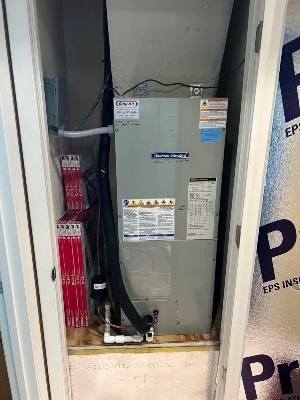
A heat pump filter cleaning or replacing regularly helps your system run more efficiently, lowers your energy costs, and extends the life of your equipment.
A dirty filter makes your system work harder, wastes energy, and can even lead to costly repairs down the road. The good news is that keeping your filter clean is one of the easiest ways to protect your investment and maintain good air quality in your home.
Many homeowners don't realize how much a clogged filter can affect their comfort and wallet. When dust and debris build up, your heat pump struggles to push air through, which means it uses more power and may not heat or cool your space as well as it should.
In fact, according to the U.S. Department of Energy (DOE), cleaning or replacing HVAC filters monthly during seasons of peak use can help reduce heating and cooling bills and extend equipment life.
Understanding when your filter needs attention and how to care for it properly makes a real difference. In this article, you’ll learn how heat pump filter cleaning improves airflow, protects system performance, and supports healthier indoor air.
Here’s what you need to know:
Keep reading! Whether you handle the basic cleaning yourself or bring in professionals for a thorough job, regular filter maintenance keeps your heat pump running smoothly year-round.
Clean filters keep your heat pump working properly and maintain healthy air in your home. Regular cleaning prevents common problems like poor airflow, high energy costs, and system breakdowns.
Your heat pump filter traps dust, dirt, pet hair, and other particles from the air every day. Over time, these particles pile up and form a thick layer on the filter surface. This buildup blocks air from flowing through your system.
A clogged filter forces your heat pump to work much harder to push air through the blockage. The extra strain affects all parts of the system. Dust can also spread beyond the filter into the internal components of your heat pump.
When debris reaches the coils and other parts inside your system, it creates more serious problems. The buildup acts like insulation and prevents proper heat transfer. For routine heat pump maintenance, clean or change filters every 3 months (or as the manufacturer/installer recommends) to maintain airflow and performance, per the U.S. Department of Energy (DOE).
Your filter plays a direct role in the air you breathe inside your home. A clean filter captures allergens, pollen, mold spores, and dust particles before they circulate through your rooms. When the filter gets dirty, it can't trap these contaminants effectively.
Some particles pass right through a clogged filter. Others get trapped but create a breeding ground for mold and bacteria. These harmful substances then blow into your living space each time the system runs.
Clean filters remove airborne irritants that trigger allergies and breathing issues. This matters most for people with asthma, allergies, or respiratory conditions. Regular cleaning ensures your heat pump actively improves indoor air quality instead of degrading it.
Your heat pump needs steady airflow to heat or cool your home properly. A dirty filter restricts this airflow and reduces how much conditioned air reaches your rooms. The system runs longer to reach your target temperature.
Using sub-metered data from 160+ Florida homes, the Florida Solar Energy Center (UCF) found heat pump efficiency can drop sharply when thermostat setback triggers auxiliary electric resistance strip heat, reporting an implied seasonal COP of about 1.45 in their sample—so avoid aggressive setbacks that force rapid morning warm-ups.
Blocked airflow also prevents the heat pump from transferring heat effectively. The indoor unit can't absorb or release heat when air doesn't move across the coils. This makes your system less capable of maintaining comfortable temperatures.
Clean filters restore full airflow and let your heat pump operate as designed. The system reaches your desired temperature faster and maintains it more easily. You'll notice better heating in winter and better cooling in summer.
Restricted airflow from dirty filters makes your heat pump consume more electricity. The system has to run longer and work harder to produce the same heating or cooling output. This increased runtime shows up directly on your energy bills.
Studies show that a clogged filter can increase energy consumption by 15% or more. The compressor and fan motor draw extra power to overcome the resistance. This wasted energy adds up to significant costs over months and years.
Regular filter cleaning keeps your heat pump running at peak efficiency. The system uses only the energy needed to condition your home. Most homeowners notice lower utility bills within the first month of maintaining clean filters.
Dirty filters cause excessive wear on your heat pump's mechanical parts. The compressor runs under constant strain trying to overcome poor airflow. The fan motor works overtime to push air through the blockage.
This continuous stress shortens the life of expensive components. The compressor can overheat and fail prematurely. Bearings in the fan motor wear out faster from the extra load.
Clean filters protect your investment by reducing mechanical stress. Your heat pump operates within normal parameters and experiences less wear. Proper filter maintenance can add years to your system's lifespan and help you avoid costly repairs or early replacement.
Your heat pump will show clear warning signs when the filter gets too dirty. Reduced airflow, higher energy bills, and visible dust are common indicators that cleaning is overdue.
The most noticeable sign of a dirty filter is weaker air coming from your vents. When dust and debris build up on the filter, it blocks the path that air needs to travel through your system. You might notice that rooms take longer to heat or cool, or that some areas of your home feel uncomfortable while others are fine.
Place your hand near a vent to check the airflow strength. If it feels weaker than usual, your filter likely needs attention. This reduced airflow forces your heat pump to work harder, which puts extra strain on the system's components.
A clogged filter makes your heat pump consume more electricity to maintain the temperature you want. When airflow is restricted, the system runs longer to reach your desired temperature. This extended runtime shows up as higher numbers on your energy bill.
Compare your current bills to the same months from previous years. If you notice a significant increase without changing your usage habits, a dirty filter could be the cause. The extra energy consumption happens because your heat pump struggles to move air through the blocked filter, reducing its overall efficiency.
Check your filter by removing it from its housing. If you can see a layer of dust, dirt, or lint covering the surface, it needs cleaning. A clean filter should allow you to see through it partially, while a dirty one looks gray or brown and blocks light completely.
You might also notice dust settling on furniture more quickly than usual. When your filter can't trap particles effectively, those contaminants circulate through your home instead. Look around vents for dust buildup or streaks on the wall, which indicate that your filter isn't doing its job properly.
A dirty filter loses its ability to capture allergens, pollen, and other particles that affect air quality. You or your family members might experience increased sneezing, coughing, or congestion when spending time at home. People with asthma or other respiratory conditions often notice their symptoms getting worse.
The air in your home may smell stale or musty. This happens when the filter becomes so clogged that it can't remove odors and particles from the air. If you notice these air quality issues developing gradually, your filter is likely overdue for cleaning.
Your heat pump might make different noises when the filter is dirty. You may hear whistling or hissing sounds as air struggles to pass through the blocked filter. The system might also produce louder operating sounds overall because it's working harder than normal.
Some heat pumps will enter defrost mode more frequently when airflow is restricted. This can create clicking or whooshing sounds that seem unusual. If your system suddenly sounds different or louder, check the filter before calling for repairs.
Professional technicians follow a systematic approach to clean heat pump filters, combining thorough inspection with specialized cleaning techniques. This process ensures your system operates at peak efficiency while identifying potential issues before they become costly repairs.
A professional starts by examining your filter to determine its current state and the appropriate cleaning method. They check for excessive dirt buildup, structural damage, tears, or deterioration that could affect performance.
The technician notes the filter type and material since different filters require different cleaning approaches. Disposable filters get marked for replacement, while reusable filters are evaluated for cleaning potential.
They also look for signs of mold, unusual odors, or moisture damage. These indicators help identify bigger problems in your HVAC system that need attention beyond basic filter maintenance.
The technician turns off power to your heat pump before removing the filter to ensure safety. They carefully slide or unclip the filter from its housing, taking note of its orientation for proper reinstallation.
For reusable filters, professionals use gentle methods that won't damage the filter material. They typically vacuum both sides to remove loose dust and debris first. Then they wash the filter with lukewarm water, sometimes adding mild detergent for stubborn buildup.
The cleaning process involves spraying water from the clean side through to the dirty side to push contaminants out. Professionals avoid high-pressure washing that could tear or deform the filter material. They ensure the filter dries completely before reinstallation to prevent mold growth.
After cleaning and drying, the technician inspects the filter one more time for any damage that might have been hidden under dirt. If the filter shows signs of wear or can't be adequately cleaned, they replace it with a new one that matches your system's specifications.
The professional carefully reinstalls the filter in the correct direction, following the airflow arrows printed on the frame. Proper orientation is critical for effective filtration and system performance.
They secure the filter housing completely to prevent air bypass, which would allow unfiltered air to enter your system. Any gaps or loose panels get adjusted to ensure a tight seal.
The technician restores power and runs your heat pump to verify proper airflow through the newly cleaned or replaced filter. They measure air pressure and flow rates to confirm the system operates within normal parameters.
They listen for unusual sounds that might indicate airflow restrictions or other problems. The temperature differential between intake and output air gets checked to ensure your system heats or cools effectively.
If performance issues persist after HVAC filter cleaning, the professional investigates other components like coils, fans, or ductwork. This comprehensive check catches problems that dirty filters often mask.
Professional technicians recommend a maintenance schedule based on your specific situation. Factors like pet ownership, local air quality, and system usage determine how often your filter needs attention.
Most professionals suggest checking filters monthly during heavy use periods and cleaning or replacing them every one to three months. They may set up automated reminders or regular service appointments to keep your system running smoothly.
They also document the service in your maintenance records, tracking filter condition over time. This history helps predict future needs and can be valuable for warranty claims or when selling your home.
Professional filter cleaning offers technical expertise and thorough service that goes beyond basic DIY maintenance. Trained technicians bring specialized knowledge about different filter types and heat pump systems, ensuring your equipment receives proper care while protecting your investment.
Professionals know how to handle filters without damaging delicate components. They understand the specific requirements for different filter types, whether you have a washable filter or a disposable one that needs replacement.
Technicians can identify the correct filter size and MERV rating for your system. Installing the wrong filter type can restrict airflow or allow contaminants to bypass the filtration system. Professionals ensure filters fit securely in their housing, preventing air from flowing around the edges.
They also check the filter housing for damage or gaps that could reduce efficiency. Proper installation means the filter sits flush against all sides of the housing. This prevents unfiltered air from entering your system and potentially damaging internal components.
Technicians inspect your heat pump while servicing the filter. They check for dust buildup on coils, fans, and other internal parts that can affect performance. Early detection of problems prevents small issues from becoming expensive repairs.
Professional cleaning protects your compressor from strain. A clogged filter forces your compressor to work harder, which can lead to premature failure. Technicians ensure proper airflow reaches all components.
They also check refrigerant levels and electrical connections during service visits. These inspections catch problems that homeowners typically miss. Your heat pump's internal parts last longer when professionals maintain the entire system, not just the filter.
Clean filters installed by professionals help your heat pump operate at peak efficiency. Technicians measure airflow to ensure your system meets manufacturer specifications. Proper airflow means your heat pump uses the right amount of energy to heat or cool your home.
Your utility bills stay lower when professionals maintain optimal system performance. A well-maintained heat pump can use 15-25% less energy than a neglected system. Professionals clean or replace filters on the correct schedule based on your usage patterns and environment.
They also adjust system settings if needed to maximize efficiency. This includes checking thermostat calibration and verifying that all modes function correctly.
Most heat pump warranties require professional maintenance to remain valid. Manufacturers specify service intervals and documentation requirements in warranty terms. Professional technicians provide written records of all maintenance performed on your system.
These service records prove you followed the maintenance schedule if you need warranty repairs. Without proper documentation, manufacturers can deny warranty claims even for unrelated failures. Technicians know exactly what maintenance tasks satisfy warranty requirements.
They also use approved cleaning methods and materials that won't void your warranty. DIY cleaning with harsh chemicals or improper techniques can violate warranty terms. Professional service protects your coverage while maintaining your heat pump.
Technicians assess your specific situation and recommend appropriate maintenance schedules. They consider factors like pet ownership, local air quality, and system usage patterns. Your maintenance needs differ from other homeowners based on these variables.
Professionals teach you warning signs that indicate filter problems between service visits. They explain what sounds, smells, or performance changes require immediate attention. This knowledge helps you avoid emergency repairs.
They can recommend upgrades like higher-efficiency filters or air purification systems based on your needs. Technicians stay current on new products and technologies that improve indoor air quality. Their advice helps you make informed decisions about your home comfort system.
Proper filter maintenance goes beyond scheduled cleanings and requires consistent attention to your HVAC system upkeep. Regular checks, prompt cleaning of reusable filters, reducing household dust, and professional inspections work together to keep your heat pump running efficiently year-round.
Check your heat pump filter once a month to spot problems early. Look for visible dust buildup, discoloration, or damage that could restrict airflow.
Monthly inspections help you determine if your filter needs cleaning sooner than expected. Homes with pets, high traffic, or smokers may need more frequent attention.
During your inspection, hold the filter up to light. If you can't see through it easily, it needs cleaning or replacement. Also check the filter housing for gaps or damage that could let unfiltered air bypass the system.
Set a reminder on your phone or mark your calendar for regular checks. This simple habit prevents small issues from becoming costly repairs. If you notice the system working harder than usual or hear unusual noises, inspect the filter immediately.
UF/IFAS Extension notes that a practical short-term step to improve HVAC airflow is to “change/clean the filters on your return register regularly to optimize airflow,” which supports steadier heat pump performance between service visits.
Reusable filters need cleaning every 4-6 weeks depending on usage and environmental conditions. Remove the filter and vacuum both sides to eliminate loose dust and debris.
Rinse the filter with lukewarm water, running from the clean side to the dirty side. Use a gentle spray to avoid damaging the filter material. Avoid harsh chemicals or hot water that can degrade the filter structure.
Let the filter dry completely before reinstalling it. This typically takes 24 hours in a well-ventilated area. Never put a damp filter back in your heat pump, as moisture can lead to mold growth and system damage.
Keep a backup filter on hand so you can swap it out during cleaning. This ensures your heat pump maintenance continues without interruption while the other filter dries.
Reducing dust in your home decreases the load on your filter and extends its life. Vacuum floors and carpets twice weekly using a vacuum with a HEPA filter.
Dust surfaces with microfiber cloths that trap particles instead of spreading them. Pay attention to ceiling fans, blinds, and vents where dust accumulates quickly.
Control humidity levels between 30-50% to minimize dust mite populations. Use door mats at entrances to reduce tracked-in dirt and debris. Groom pets regularly outdoors to prevent excess dander from circulating through your HVAC system.
Wash bedding weekly in hot water and keep clutter to a minimum. Items like throw pillows, curtains, and upholstered furniture collect dust that eventually reaches your filter.
Book professional HVAC system upkeep twice yearly, ideally in spring and fall. These inspections catch issues before peak heating and cooling seasons when system failures are most inconvenient.
Technicians examine components beyond the filter, including coils, refrigerant levels, and electrical connections. They can spot wear patterns and efficiency problems you might miss during routine filter checks.
Professional maintenance typically includes filter inspection, but continue your monthly checks between visits. Technicians also clean areas you can't easily access and ensure your entire system works properly.
Ask your technician about your specific filter replacement schedule based on your home's conditions. They can recommend the best filter type and maintenance frequency for your situation. Keep records of service visits and any repairs to track your system's performance over time.
Gary Air provides professional residential heat pump service with trained technicians who understand how to maintain your system properly. Their focus on energy efficiency and air quality ensures your heat pump runs at peak performance while keeping your home comfortable.
Gary Air employs licensed HVAC technicians who have the training and experience to handle all aspects of heat pump maintenance. These professionals understand the specific requirements of different heat pump models and know how to clean filters without damaging delicate components.
Their technicians can identify potential problems during routine filter cleaning that you might miss on your own. They check for signs of wear, unusual buildup patterns, or system issues that could lead to bigger repairs down the road.
When you work with licensed professionals, you get service that meets industry standards and local codes. This expertise means your heat pump receives the right care from people who do this work every day.
Your time matters, which is why Gary Air focuses on efficient service for residential heat pump systems. They understand that scheduling maintenance around your busy life needs to be simple and convenient.
Their team arrives prepared with the right tools and replacement filters for your specific system. This means no delays or return visits for basic filter maintenance tasks.
Gary Air builds their reputation on showing up when promised and completing work correctly the first time. You can count on consistent service quality whether you need a one-time filter cleaning or regular maintenance visits.
Gary Air follows manufacturer recommendations for filter cleaning and replacement based on your specific heat pump model. They know which filters can be cleaned and reused versus which ones need replacement.
Their technicians clean filters thoroughly to remove dust, allergens, and particles that reduce airflow. They also inspect the filter housing and surrounding areas to ensure everything stays clean and functional.
The team can advise you on the right cleaning schedule based on your usage patterns and local air quality. Homes with pets, allergies, or high dust levels may need more frequent attention than the standard 1-3 month interval.
A properly maintained filter directly affects how much energy your heat pump uses each month. Gary Air's thorough cleaning removes blockages that force your system to work harder and consume more electricity.
Clean filters improve heat exchange efficiency, which means better heating and cooling performance throughout your home. This translates to more consistent temperatures and lower utility bills.
Their service also protects your indoor air quality by ensuring filters trap pollutants effectively. When filters get clogged, they can't capture new particles, allowing dust and allergens to circulate through your living spaces.
Because Americans spend about 90% of their time indoors, where concentrations of some pollutants are often 2 to 5 times higher than typical outdoor levels, keeping heat pump filtration effective supports indoor air quality goals, according to the U.S. EPA.
Gary Air's maintenance keeps your air cleaner and your family healthier.
Cleaning your heat pump filter is one of the simplest ways to maintain your system's performance. This basic task takes just a few minutes but makes a real difference in how well your heat pump works.
You should clean or replace your filter every one to three months. Check it monthly during heavy use periods or if you have pets. Homes in dusty areas also need more frequent checks.
A clean filter helps your heat pump move air freely through the system. When air flows properly, your heat pump doesn't have to work as hard to heat or cool your home. This means it uses less energy and puts less strain on its parts.
Don't wait until you notice problems to clean your filter. Dirty filters reduce your system's ability to heat and cool effectively. They also let dust and allergens pass through instead of trapping them.
Make filter cleaning part of your regular home maintenance routine. Set a reminder on your phone or mark it on your calendar. This simple habit keeps your heat pump working well and helps you avoid expensive repairs down the road.
Your heat pump is a significant investment in your home's comfort. Taking care of it properly protects that investment and keeps your family comfortable year-round.
Schedule residential heat pump service with Gary Air to clean or replace the filter correctly, confirm proper airflow and static pressure, and document system performance so your heat pump runs efficiently and protects indoor air quality.