


Sarasota homeowners don't use their heating systems as much as people in colder climates, but that doesn't mean heating problems never happen. When temperatures drop during winter months, a broken heater can make a home uncomfortable fast. The most common heating problems in Sarasota include malfunctioning thermostats, clogged air filters, ignition control issues, and heat pumps that struggle during cooler mornings.
Understanding why heating systems fail helps homeowners know when to call for repairs. Many heating issues start small but turn into bigger problems if ignored. Regular maintenance and quick repairs can keep a heating system running well for years.
This article explains the main heating problems Sarasota homeowners face and what causes them. It also covers how to spot a failing system, why efficiency drops over time, and what solutions work best for local homes.
Here’s what you’ll find below:
Keep reading to learn how to diagnose and resolve home heating problems Sarasota homeowners commonly face, from thermostat and airflow issues to heat pump and ignition faults.
Sarasota homeowners face specific heating challenges due to the region's coastal climate and intermittent heating system use. Heat pumps dominate local homes, and they require different care than traditional furnaces, while salt air and high humidity create additional maintenance concerns.
According to the U.S. Department of Energy (DOE), today’s heat pumps can reduce electricity use for heating by up to 75% compared with electric resistance heating, which makes correct diagnosis and maintenance important when Sarasota heat pumps struggle on cooler mornings.
Furnace systems in Sarasota often sit idle for most of the year, which causes problems to develop during periods of disuse. When a furnace fails to start at the beginning of the cool season, the pilot light is often the culprit.
A pilot light that won't stay lit typically indicates a faulty thermocouple or a gas supply problem. Dirty pilot tubes can also prevent proper ignition. These issues cause the furnace to shut down completely or fail to produce heat.
Ignition control problems affect both older pilot light systems and newer electronic ignition models. Dust and debris accumulation during months of inactivity can interfere with ignition components.
Homeowners who smell gas or notice repeated ignition failures should contact a professional immediately, as these situations pose safety risks.
According to the CDC, gas- and oil-burning furnaces produce carbon monoxide (CO), which is invisible and odorless and can be deadly—so suspected combustion or safety issues should be treated as urgent
Thermostats control when heating systems turn on and off, so any malfunction leads to uneven heating or no heat at all. Dead batteries are the simplest cause of thermostat failure, but many homeowners overlook this basic check.
Incorrect thermostat settings or programming errors often create the appearance of heating system issues Sarasota residents mistake for larger problems. A thermostat set to "cool" instead of "heat" or placed in the wrong mode won't activate the heating system properly.
Placement also affects thermostat performance. A device installed near windows, doors, or direct sunlight receives inaccurate temperature readings. This causes the heating system to cycle on and off at the wrong times. Older thermostats may lose calibration over time, while newer programmable models sometimes require firmware updates or battery replacements to function correctly.
Restricted airflow prevents warm air from reaching rooms throughout the home. Clogged air filters are the most frequent cause of this problem, as filters trap dust, pollen, and debris over time.
Per ENERGY STAR, you should check your HVAC air filter monthly and change it at least every 3 months, because a dirty filter slows airflow and forces the system to work harder (wasting energy).
A dirty filter forces the heating system to work harder while delivering less heat. Most filters need replacement every one to three months, depending on usage and household conditions. Homes with pets or high dust levels require more frequent filter changes.
Blocked supply vents or return air grilles also restrict airflow. Furniture, curtains, or other objects placed against vents prevent proper air circulation. Closed vents in unused rooms seem like an energy-saving measure, but they actually create pressure imbalances that reduce system efficiency. Ductwork problems, including leaks or disconnected sections, allow heated air to escape before reaching living spaces.
A failing heating system shows specific warning signs that homeowners can identify before facing a complete breakdown. Recognizing problems like temperature inconsistencies, unusual sounds, and increased utility costs helps avoid expensive emergency repairs during cold weather.
When a heating system struggles, certain rooms stay cold while others become too warm. This temperature imbalance happens when the system cannot distribute heated air properly throughout the home.
Blocked vents or ductwork leaks often cause uneven heating. Homeowners should check that furniture or curtains are not blocking air vents in cold rooms. A failing blower motor may also struggle to push warm air through all the ducts.
Thermostat problems can create hot and cold spots too. If the thermostat sits in a drafty area or near a heat source, it gives false readings. The heating system then shuts off before warming the entire house.
Sarasota homeowners dealing with uneven heating should inspect their air filters first. Dirty filters restrict airflow and make the system work harder. Changing filters every one to three months during heating season prevents many circulation issues.
Heating systems should run quietly without producing odd odors. Banging, squealing, or rattling sounds indicate mechanical problems that need attention.
A squealing noise usually means a worn belt or motor bearing. Banging sounds often come from loose parts or expanding metal ducts. Rattling suggests loose screws or panels that need tightening.
Burning smells require immediate attention. A dusty smell when first turning on the heat is normal, but it should disappear quickly. Persistent burning odors may indicate electrical problems or overheating components.
Musty smells point to mold growth in the ductwork. Gas odors signal a dangerous leak that requires shutting off the system and calling a professional immediately.
Higher heating costs without increased usage suggest the system works inefficiently. An aging or failing system consumes more energy to maintain comfortable temperatures.
Homeowners should compare current bills to previous years during the same season. A 15-20% increase without explanation indicates reduced efficiency. The heating system may run longer cycles to reach the desired temperature.
Poor maintenance causes efficiency drops. Dirty filters force the system to work harder and use more energy. Refrigerant leaks in heat pumps reduce heating capacity and increase operating costs.
Regular professional inspections catch minor issues before they cause major efficiency losses. Addressing small problems early saves money on both repairs and monthly utility bills.
Heating systems gradually lose their ability to perform at peak levels due to accumulated dirt, natural wear on components, and electrical or mechanical breakdowns that develop as the system ages.
Air filters trap dust, pollen, and debris to protect the heating system and maintain indoor air quality. When filters become clogged, airflow decreases significantly. The system must work harder to push air through the blockage, which wastes energy and reduces heating output.
Dirt doesn't just affect filters. Dust and debris build up on blower motors, heat exchangers, and burners over time. These dirty components can't transfer heat as effectively as clean ones. A layer of dust on a heat exchanger acts like insulation, preventing heat from moving into the air that flows through your home.
Ductwork also collects dust and debris over the years. This buildup restricts airflow throughout the entire system. The furnace runs longer cycles to reach the desired temperature, burning more fuel and increasing wear on all components.
Regular filter changes and professional cleaning can prevent most of these problems. Most systems need new filters every 1-3 months during heavy use.
Mechanical parts experience friction and stress during every heating cycle. Blower motors, bearings, and fan belts wear down gradually. These worn parts don't move air as efficiently as they did when new.
Heat exchangers can develop small cracks or corrosion after years of heating and cooling cycles. Gas burners become less efficient when the flame pattern changes due to wear. Even minor damage to these components reduces how much heat the system produces from each unit of fuel.
Older systems were also built to lower efficiency standards than modern units. A furnace from 15-20 years ago may have started at 80% efficiency when new, while current models often exceed 95% efficiency.
Control boards and sensors can malfunction as they age. A faulty thermostat sensor might cause the system to shut off before reaching the set temperature. Broken limit switches may allow the system to overheat or shut down unexpectedly.
Electrical connections loosen over time due to heating and cooling cycles. Loose wiring increases resistance, which wastes energy and creates heat where it doesn't belong. Capacitors that help motors start and run lose their ability to hold a charge after several years.
Ignition systems can also fail or work inconsistently. When ignition problems occur, the system may take multiple attempts to start, wasting fuel and stressing components. These electrical and mechanical failures often develop slowly, causing efficiency to drop before complete system failure occurs.
Sarasota's coastal location and subtropical climate create specific challenges for home heating systems. High humidity, salt air exposure, and mild winters with occasional cold snaps all impact how heating equipment performs and ages over time.
Sarasota's year-round humidity levels create moisture problems inside heating systems. Water vapor can collect in ductwork and HVAC components, leading to rust and corrosion that shortens equipment life.
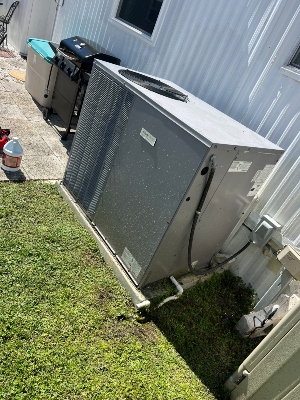
Salt air from the Gulf of Mexico speeds up this corrosion process. The salt particles settle on outdoor units and metal components, eating away at protective coatings and bare metal surfaces. This is especially true for homes near the beach or on barrier islands like Siesta Key.
Common moisture-related issues include:
The combination of humidity and salt air means heating systems in coastal Sarasota need more frequent inspections than those inland.
Sarasota rarely sees extreme cold, but the swing between warm days and cool nights stresses heating systems. A unit might not run for weeks, then suddenly need to work when temperatures drop into the 40s or 50s.
These stop-and-start patterns are harder on equipment than steady use. Components expand and contract with temperature changes, which can loosen connections and create wear points. Systems that sit idle for long periods may fail when homeowners need them most.
The mild climate also means heating systems get less use overall. This sounds positive, but infrequent operation can actually cause problems. Seals dry out, lubricants settle, and small issues go unnoticed until the system breaks down.
Regular maintenance helps heating systems survive Sarasota's environmental challenges. Homeowners should schedule professional inspections before winter, even if temperatures stay mild.
Key maintenance steps include:
Coating outdoor components with anti-corrosion spray provides extra protection against salt air. Keeping the area around heating units clear of vegetation also improves airflow and reduces moisture retention.
Running the heating system briefly each month during warm weather keeps internal parts lubricated. This simple step prevents seals from drying out and components from seizing up when cold weather arrives.
Home heating problems in Sarasota require specific solutions based on the issue. Regular professional maintenance prevents most problems, while simple tasks like filter changes help systems run better. Sometimes older systems need complete replacement to work properly.
Licensed HVAC technicians diagnose and fix heating system problems that homeowners cannot handle alone. These professionals use specialized tools to test thermostats, check ignition controls, and inspect heat exchangers for cracks or damage. Furnace repair Sarasota services address issues like pilot light failures, broken blower motors, and faulty electrical connections.
Professional maintenance includes annual inspections before winter months. Technicians clean burners, test safety switches, and verify proper airflow through the system. They also check refrigerant levels in heat pumps and ensure all components meet local building codes.
Regular service calls catch small problems before they become expensive repairs. Trained technicians spot warning signs like unusual noises, strange smells, or reduced heating output. They provide upfront pricing and explain needed repairs clearly. Many companies offer 24/7 emergency service for sudden breakdowns during cold snaps.
Dirty air filters block airflow and make heating systems work harder. This causes higher energy bills and puts extra strain on the blower motor. Most filters need replacement every 1-3 months depending on use and filter type.
Homeowners can change standard filters themselves in minutes. The filter location is usually marked on the furnace or air handler. New filters should match the size and type specified in the owner's manual.
Clogged filters cause several problems:
Upgrading to higher-quality filters improves air quality and protects equipment. HEPA filters trap more particles but may need more frequent changes.
Heating systems over 15 years old often need frequent repairs and use more energy. New systems include better efficiency ratings, improved controls, and modern safety features. Replacement makes sense when repair costs reach half the price of new equipment.
Modern heat pumps work well in Sarasota's mild winters. They provide both heating and cooling from one unit. High-efficiency furnaces reduce monthly utility bills through better fuel usage.
Professional installation ensures proper sizing for the home. Systems that are too small cannot heat adequately. Oversized units cycle on and off too frequently. Qualified installers calculate heating needs based on square footage, insulation, and window placement. New systems often include programmable thermostats and zoning options for better comfort control.
Regular maintenance directly reduces heating system failures and extends equipment life in Sarasota homes. Professional inspections catch small problems before they turn into expensive repairs, while routine care keeps systems running efficiently during Florida's cooler months.
Sarasota homeowners should schedule professional heating inspections once per year, ideally in October or November before winter arrives. This timing allows technicians to identify and fix problems before the system gets regular use.
Heat pumps need attention every 12 months because they run year-round for both cooling and heating. Systems that sit unused for months can develop hidden issues that only appear when cold weather hits.
Annual inspections typically include checking electrical connections, testing thermostat accuracy, examining heat exchangers, and measuring airflow. Technicians also look for problems specific to coastal areas like salt corrosion and humidity damage.
Properties with older systems or those located near the Gulf may benefit from inspections twice per year. The extra checkup helps catch accelerated wear from salt air exposure.
Monthly tasks:
Seasonal tasks:
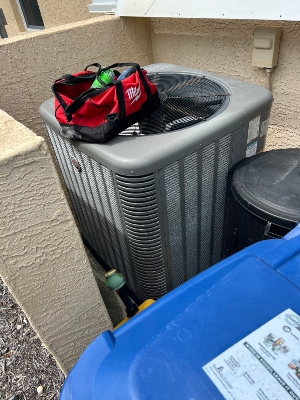
Homeowners can keep outdoor units clear by removing leaves, grass clippings, and other debris within two feet of the equipment. This simple step improves airflow and prevents overheating.
Never use a hose to clean heat pump coils, as water pressure can damage delicate fins. Instead, gently brush away visible dirt with a soft brush.
Check visible ductwork for gaps or disconnected sections. Seal any small leaks with metal tape designed for HVAC systems.
Professional maintenance prevents up to 95% of heating system breakdowns through early problem detection. Technicians use specialized tools to spot issues invisible to homeowners, including refrigerant leaks and failing electrical components.
Regular servicing maintains system efficiency, which directly impacts energy bills. Neglected heating systems lose about 5% efficiency each year, adding hundreds of dollars to annual utility costs for Sarasota homes.
Professional service includes safety checks that protect families from carbon monoxide risks and electrical hazards. Technicians verify proper combustion, test safety switches, and confirm ventilation systems work correctly.
Maintained systems last 5-10 years longer than neglected equipment. This extended lifespan delays the significant expense of full system replacement, which typically costs $3,000-$8,000 for Sarasota homes.
Service contracts often include priority scheduling during emergencies and discounts on repairs. These benefits provide peace of mind during cold snaps when HVAC companies face high call volumes.
Home heating problems in Sarasota require attention even though the area has mild winters. Residents still need reliable heating systems for cool mornings and chilly evenings throughout the year.
Most heating issues stem from a few common causes. Clogged air filters, thermostat malfunctions, and ignition control problems top the list. Heat pumps face their own set of challenges in the local climate.
Homeowners should schedule regular maintenance to prevent problems before they start. Simple tasks like changing filters and checking thermostats can save money on repairs. These basic steps keep systems running efficiently.
Some repairs require professional expertise. Ignition system failures, refrigerant leaks, and electrical problems need trained technicians. Attempting complex repairs without proper knowledge can lead to bigger issues.
Early detection makes a significant difference in repair costs. Small problems become expensive repairs when ignored. A professional inspection helps identify inefficiencies before they cause system failure.
Sarasota homeowners benefit from working with local HVAC companies that understand the region's specific needs. These professionals know how humidity and temperature fluctuations affect heating systems. They can provide solutions tailored to Florida's unique climate conditions.
Schedule a professional heating system inspection or repair with Gary Air to resolve heating problems quickly and keep your Sarasota home comfortable during cooler weather.





.jpg)
.jpg)
.avif)

