


A heat pump works hard year-round in Sarasota's hot and humid climate, switching between cooling your home in summer and providing warmth during cooler months. This constant use, combined with coastal salt air and high humidity, puts extra stress on the system. Without regular checkups, small problems can turn into expensive repairs or complete system failure.
Regular heat pump inspections help catch issues early, improve energy efficiency, and extend the life of your system while keeping your home comfortable all year. Professional technicians check critical components, measure performance, and spot warning signs before they become serious problems. This preventive approach saves money on energy bills and helps avoid emergency breakdowns during the hottest days of the year.
Knowing when your heat pump needs attention and what happens during an inspection helps homeowners make smart decisions about their system. In this article, you’ll learn how to plan a thorough heat pump inspection in Sarasota to improve efficiency, prevent breakdowns, and extend system life.
Here’s what you need to know:
Keep reading! Understanding common problems, inspection frequency, and performance benefits allows you to protect your investment and maintain reliable heating and cooling for your Sarasota home.
Heat pumps in Sarasota face unique challenges from constant year-round operation, high humidity, and coastal salt air that can accelerate wear on components. Regular inspections address these demands by improving system efficiency, preventing sudden failures, and helping the equipment last longer.
A heat pump that runs without regular inspections often develops problems that force it to work harder than necessary. Dirty filters restrict airflow and make the system consume more electricity to maintain the same temperature. Clogged coils reduce the unit's ability to transfer heat effectively.
Refrigerant levels can drop over time, which causes the compressor to run longer cycles and use more power. During an inspection, a technician checks refrigerant charge and adds more if needed. They also clean or replace filters and clear debris from outdoor coils.
These simple fixes help the heat pump operate at its designed efficiency level. Homeowners typically see lower utility bills after addressing these issues. The system also reaches target temperatures faster, which means shorter run times and less energy waste.
Sarasota's climate puts constant demand on heat pumps throughout the year. Small problems like loose electrical connections or worn fan belts can quickly turn into major failures if left unaddressed. An inspection catches these issues before they cause the system to stop working.
Technicians test electrical components, check thermostat calibration, and listen for unusual sounds during operation. They inspect the condensate drain to make sure it's clear, which prevents water damage and system shutdowns. These preventive measures reduce the risk of a breakdown during the hottest months when the heat pump is needed most.
Salt air from the coast can corrode metal components and electrical connections faster than in inland areas. Regular inspections identify corrosion early and allow for protective treatments or part replacement before complete failure occurs.
Heat pumps typically last 10 to 15 years with proper care. Without regular inspections, that lifespan often drops significantly. Components wear out faster when minor problems create extra strain on the system.
Preventive heat pump service includes lubricating moving parts, tightening loose hardware, and testing safety controls. These tasks reduce friction and prevent unnecessary stress on the compressor and motors. A well-maintained system experiences less wear and runs more reliably over its lifetime.
The investment in annual inspections costs far less than replacing a heat pump years earlier than expected. Regular attention to maintenance needs helps homeowners get the full expected life from their equipment while avoiding premature system failure.
Several warning signs indicate when a heat pump requires professional attention. Recognizing these symptoms early helps prevent costly repairs and maintains comfortable temperatures in Sarasota homes.
When a heat pump struggles to maintain consistent temperatures throughout a home, it signals a need for inspection. Some rooms may feel too warm while others remain uncomfortably cool. The system might run for extended periods without reaching the desired temperature.
This problem often stems from refrigerant leaks, blocked air filters, or failing components. A heat pump that can't balance temperatures properly works harder than necessary. The extra strain increases wear on the system's parts.
Homeowners who notice temperature inconsistencies should track which rooms are affected and when the problems occur. This information helps technicians identify the root cause during an inspection. Waiting to address uneven temperatures can lead to complete system failure.
Normal heat pump operation produces minimal sound. Unusual noises like grinding, squealing, or rattling indicate mechanical problems that need attention. Buzzing sounds often point to electrical issues.
Vibrations that weren't present before suggest loose components or worn parts. These symptoms typically worsen over time if left unaddressed. The specific type of noise helps technicians pinpoint which components need repair or replacement.
Homeowners should note when the sounds occur during the heating or cooling cycle. Early morning or late evening noises may indicate different issues than sounds during peak operation. Ignoring these warning signs can result in more expensive repairs down the road.
A sudden spike in electricity costs without corresponding changes in usage patterns suggests heat pump inefficiency. When systems lose efficiency, they consume more power to produce the same heating or cooling output. Bills may gradually increase over several months as components degrade.
Comparing current bills to the same period in previous years reveals concerning trends. A 15-20% increase without explanation warrants professional inspection. Refrigerant leaks, dirty coils, and failing motors all contribute to higher energy consumption.
Regular inspections help maintain optimal efficiency and keep operating costs down. Technicians can identify and fix minor issues before they significantly impact energy bills.
According to University of Florida IFAS, heating and cooling can account for more than 40% of a Florida home’s utility bill, underscoring the savings impact of keeping heat pumps maintained and efficient.
A professional heat pump inspection covers three main areas: checking both indoor and outdoor units for visible damage, testing refrigerant and electrical systems, and measuring airflow with thermostat accuracy.
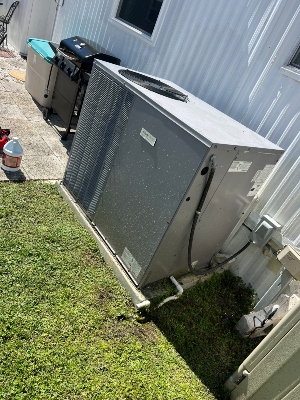
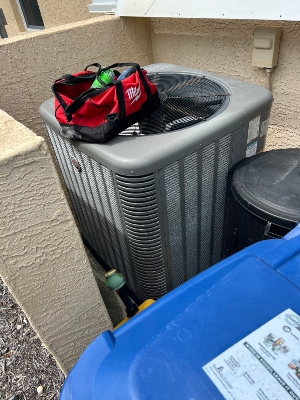
Technicians start by examining both the indoor and outdoor units for any obvious problems. They look for signs of damage like dents, rust, or corrosion on the cabinet and housing. The outdoor unit gets checked for debris, leaves, or dirt buildup around the coils and fan.
Inside the home, inspectors examine the air handler for water stains or moisture problems. They check drain lines to make sure condensation flows properly and doesn't cause leaks. The inspector also looks at mounting brackets and hardware to confirm everything sits securely in place.
Fan blades receive attention during this part of an HVAC inspection in Sarasota. Bent or damaged blades reduce efficiency and create extra noise. Technicians also inspect belts and pulleys for wear and proper tension.
Refrigerant levels need to stay within specific ranges for a heat pump to work correctly. Too little refrigerant makes the system work harder and costs more to run. Too much refrigerant can damage the compressor over time.
Technicians use specialized gauges to measure pressure and determine if levels are correct. If they find a leak, they locate it and recommend repairs before adding more refrigerant.
Per the U.S. Environmental Protection Agency’s Section 608 rules, only EPA-certified technicians may service stationary HVAC refrigerant systems, and venting refrigerant is prohibited under federal law.
The electrical inspection covers wiring connections, contactors, and capacitors. Loose wires create fire hazards and cause system failures. Inspectors tighten connections and replace worn components. They test the reversing valve that switches between heating and cooling modes. The defrost controls also get checked to prevent ice buildup during cold weather.
Proper airflow keeps temperatures comfortable throughout the home. Technicians measure air velocity at supply registers using specialized tools. Weak airflow often means dirty filters, blocked ducts, or blower motor problems.
The thermostat gets tested for accuracy and responsiveness. Inspectors verify it reads temperature correctly and triggers the heat pump at the right times. They check the wiring between the thermostat and heat pump to find any connection issues.
Ductwork receives a basic inspection for leaks or disconnected sections. Even small gaps waste energy and reduce comfort. Technicians also examine air filters and recommend replacement if needed.
According to ENERGY STAR, typical homes lose about 20%–30% of the air moving through their duct systems due to leaks, holes, and poor connections—wasting energy and reducing comfort.
Heat pump systems in Sarasota need regular inspections to handle the area's demanding climate and year-round use. Most HVAC professionals recommend twice-yearly inspections, with specific attention to warning signs that might require immediate service.
Heat pumps in Sarasota should be inspected at least twice per year. The first inspection should happen in spring before the cooling season starts. The second inspection should occur in fall before heating demands increase.
This bi-annual schedule works well for Sarasota homeowners because heat pumps run almost constantly throughout the year. Florida's hot summers and humid conditions put extra pressure on these systems.
A complete Sarasota HVAC checkup includes several important tasks:
Some homeowners only schedule one annual inspection. However, twice-yearly service helps catch problems early and keeps the system running efficiently.
Certain warning signs mean a heat pump needs immediate inspection. Strange noises like grinding, squealing, or banging indicate mechanical problems that require quick attention.
Weak airflow from vents suggests blocked filters or blower issues. Ice buildup on the outdoor unit during cooling mode points to refrigerant problems or airflow restrictions.
Rising energy bills without increased usage often mean the system is working harder than normal. Uneven temperatures between rooms can signal duct problems or failing components.
Water leaks around the indoor or outdoor unit need prompt inspection. Unusual odors like burning smells or musty scents require immediate professional attention.
Spring inspections prepare the heat pump for summer's cooling demands. Technicians focus on the air conditioning components and ensure the system can handle high temperatures and humidity.
Fall inspections check the heating function before occasional cold snaps arrive. These visits catch wear from summer use and prepare the system for heating mode.
Sarasota's climate means heat pumps work harder than in many other areas. The combination of high heat, humidity, and salt air from nearby coastal areas creates tough operating conditions.
Scheduling inspections before peak seasons prevents breakdowns during the most uncomfortable times. It also helps maintain warranty coverage, as many manufacturers require regular professional maintenance.
Regular heat pump inspections catch problems when they're still small and cheap to fix. Technicians look for refrigerant issues, airflow problems, and failing parts that could leave a home without heating or cooling.
Refrigerant leaks are one of the most common heat pump problems in Sarasota homes. The coastal environment causes fittings and connections to corrode faster than in other areas. When refrigerant levels drop, the system can't transfer heat properly.
Low refrigerant forces the compressor to work harder. This puts extra strain on the unit and drives up energy bills. Left unchecked, a refrigerant leak can permanently damage the compressor, which is one of the most expensive parts to replace.
Inspections include checking refrigerant levels and pressure readings. Technicians use specialized tools to find leaks at connection points, coils, and valves. They also look for oil stains or residue that signal a slow leak.
Frozen evaporator coils stop a heat pump from working correctly. Ice buildup prevents the coils from absorbing heat, which means the system runs constantly without reaching the set temperature. Several factors cause coils to freeze, including dirty air filters, blocked vents, and low refrigerant.
Airflow problems develop gradually. Dust and debris accumulate on coils and in ductwork over time. Outdoor units collect leaves, dirt, and grass clippings that restrict air movement. Even small reductions in airflow make the system work harder and waste energy.
During inspections, technicians clean coils and check airflow at all vents. They measure air velocity and temperature differences across the system. They also examine ductwork for leaks or blockages that reduce efficiency.
The compressor is the heart of a heat pump system. It pumps refrigerant through the unit and creates the pressure needed for heat transfer. Compressors fail when they overheat, lose lubrication, or suffer electrical problems. Early warning signs include unusual noises, hard starting, and frequent cycling.
Other parts wear out with normal use. Contactors and capacitors weaken over time. Fan motors develop bearing problems. Thermostats lose calibration. These components all affect system performance.
Inspections test electrical connections and measure voltage at key components. Technicians listen for grinding, squealing, or clicking sounds that indicate mechanical wear. They check capacitors with meters and inspect wiring for damage or loose connections.
Regular heat pump inspections directly impact system efficiency, maintenance costs, and comfort levels. Professional evaluations catch problems early and keep equipment running at optimal levels throughout the year.
Clean components and proper system settings allow heat pumps to use less electricity while maintaining comfortable temperatures. During inspections, technicians clean coils, replace filters, and check refrigerant levels to ensure smooth operation.
Dirty filters and coils force systems to work harder, which increases energy bills. Regular maintenance removes buildup that blocks airflow and reduces heat transfer. Technicians also verify that all electrical connections work properly and that thermostats read accurately.
A well-maintained heat pump in Sarasota can reduce energy consumption by up to 15% compared to a neglected system. This happens because inspections address small inefficiencies before they compound. Proper refrigerant levels are especially important since low refrigerant makes the compressor strain and waste energy.
Heat pump maintenance Sarasota services typically include checking ductwork for leaks. Even small gaps in ducts can waste conditioned air and force the system to run longer cycles.
Early detection of minor issues prevents expensive emergency repairs. A loose electrical connection found during inspection costs far less to fix than a burned-out motor that fails during peak summer heat.
Regular inspections identify worn parts before they break completely. Technicians spot issues like bearing wear, refrigerant leaks, and capacitor degradation. Replacing these components during scheduled maintenance costs a fraction of emergency service calls.
Many manufacturers require proof of regular maintenance to honor warranty claims. Skipping inspections can void coverage and leave homeowners paying full price for major repairs. Documentation from routine service appointments protects this investment.
Systems that receive consistent care experience fewer breakdowns overall. The reduced strain on components extends their lifespan and delays the need for full system replacement.
Sarasota heat pumps run constantly throughout the year, switching between cooling and heating modes. Regular inspections verify that both functions work properly before extreme weather arrives.
Technicians test heating and cooling capacity during maintenance visits. They measure temperature output and airflow to confirm the system meets manufacturer specifications. This proactive approach prevents failures during the hottest summer days or coldest winter nights.
Inspections also improve indoor air quality by ensuring proper filtration and humidity control. Clean systems circulate air more effectively and trap dust, allergens, and other particles. This matters especially for households with respiratory sensitivities.
Twice-yearly inspections align with seasonal transitions and prepare systems for upcoming demands. Spring checkups ready the heat pump for cooling season, while fall maintenance ensures heating readiness.
A heat pump inspection in Sarasota protects your investment and keeps your home comfortable. The hot, humid climate puts constant stress on cooling systems. Regular inspections catch small problems before they turn into expensive repairs.
Professional technicians check refrigerant levels, electrical connections, and airflow during an inspection. They clean components and test system performance. This maintenance helps the heat pump run efficiently and lowers energy bills.
Most experts recommend scheduling inspections twice per year. Spring and fall are ideal times for this service. These checkups ensure the system works properly when you need it most.
Sarasota homeowners should choose certified HVAC technicians for inspections. Licensed professionals have the training and tools to spot issues that others might miss. They follow manufacturer guidelines and local codes.
The cost of an inspection is small compared to emergency repair bills. A well-maintained heat pump also maintains home value. Buyers want to know that major systems have been properly cared for.
Setting up routine maintenance now prevents problems later. Homeowners can call local HVAC companies to schedule their next inspection. Many businesses offer service plans that include regular visits and priority scheduling.
Schedule a Sarasota heat pump inspection with Gary Air today to verify refrigerant charge, airflow/static pressure, coil and drain condition, electrical/defrost controls, and restore peak efficiency before peak-season demand.






.jpg)
.avif)

