


Replacing your central HVAC system is a big decision that affects your home's comfort and your wallet. The average cost to replace a central HVAC system ranges from $5,000 to $12,000, depending on your home size, system type, and installation needs. Most homeowners spend around $5,750 for a standard 3-ton unit in a 2,000-square-foot home.
Heating and cooling typically make up about 43% of a home’s utility bill, so central HVAC replacement decisions should prioritize verified efficiency gains and correct sizing to reduce year-round operating costs, according to the U.S. Department of Energy (DOE).
Your HVAC system is one of the hardest-working parts of your home. It keeps you cool in summer and warm in winter, but it doesn't last forever. When your system starts breaking down more often or your energy bills keep going up, it might be time for a replacement.
This guide will help you understand when to replace your system, what the process involves, and how to get the most value from your investment. You'll learn about the signs that indicate you need a new system, what to expect during installation, and how to keep your new HVAC running efficiently for years to come.
Below, we’ll walk through each important aspect:
Let's dive in!
Replacing your central HVAC system brings three major benefits to your home. A new system operates more reliably than an old one that breaks down frequently. You also get better temperature control throughout your home.
Energy efficiency improvements
Modern HVAC units use less electricity than older models. This happens because new systems include updated compressor technology and better refrigerants. Your monthly utility bills go down after installation.
Systems manufactured in recent years have higher SEER ratings for cooling and HSPF ratings for heating. These numbers tell you how much energy the unit needs to cool or heat your home. Higher ratings mean lower operating costs.
Comfort and air quality benefits
A new central HVAC system maintains consistent temperatures in every room. You won't deal with hot spots in summer or cold areas in winter. The unit also filters air better, which removes more dust and allergens from your indoor space.
Smart technology in current models lets you control settings from your phone. You can adjust temperatures before you get home or set schedules that match your daily routine.
System reliability
Old HVAC units need frequent repairs and may fail when you need them most. A replacement system comes with warranty coverage and runs dependably for years. You avoid emergency repair calls and the stress of a broken system during extreme weather.
Professional installation makes sure your new unit fits your home's size correctly. This prevents the system from working too hard or running inefficiently.
Central HVAC replacement involves removing your old heating and cooling system and installing a new one that manages indoor temperature and air quality throughout your home. This process includes replacing major equipment, updating ductwork, and adding modern controls for better performance.
Your central HVAC unit works harder over time and loses efficiency as parts wear out. Most systems last between 15 to 20 years before they need replacement.
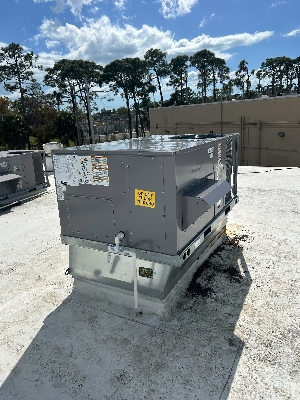
When you replace your unit, you remove the old air conditioning condenser, evaporator coil, and heating components. The new equipment typically includes a modern condenser unit that sits outside your home and an indoor air handler or furnace. These components work together through connected ductwork to heat and cool every room.
Signs you need replacement:
New systems offer higher SEER ratings, which measure cooling efficiency. Units manufactured after 2023 meet stricter energy standards that reduce monthly utility costs by 20 to 40 percent compared to older models.
Your ductwork distributes heated or cooled air throughout your home. During an HVAC system upgrade, professionals assess whether your ducts need replacement or modification.
Old ducts may have leaks, poor insulation, or incorrect sizing that wastes energy. Installers seal gaps with mastic or metal tape and add insulation to prevent temperature loss. They also check that ducts are properly sized for your new system's airflow requirements.
In a typical house, about 20% to 30% of the air moving through the duct system is lost due to leaks, holes, and poor connections—so duct sealing/verification should be part of a replacement scope to protect airflow and delivered comfort, per ENERGY STAR (U.S. EPA).
Sometimes your existing ducts work fine and only need cleaning and sealing. Other times, homes need completely new ductwork, especially if you're upgrading from a smaller system to a larger one or switching from room units to central air.
Common duct improvements include:
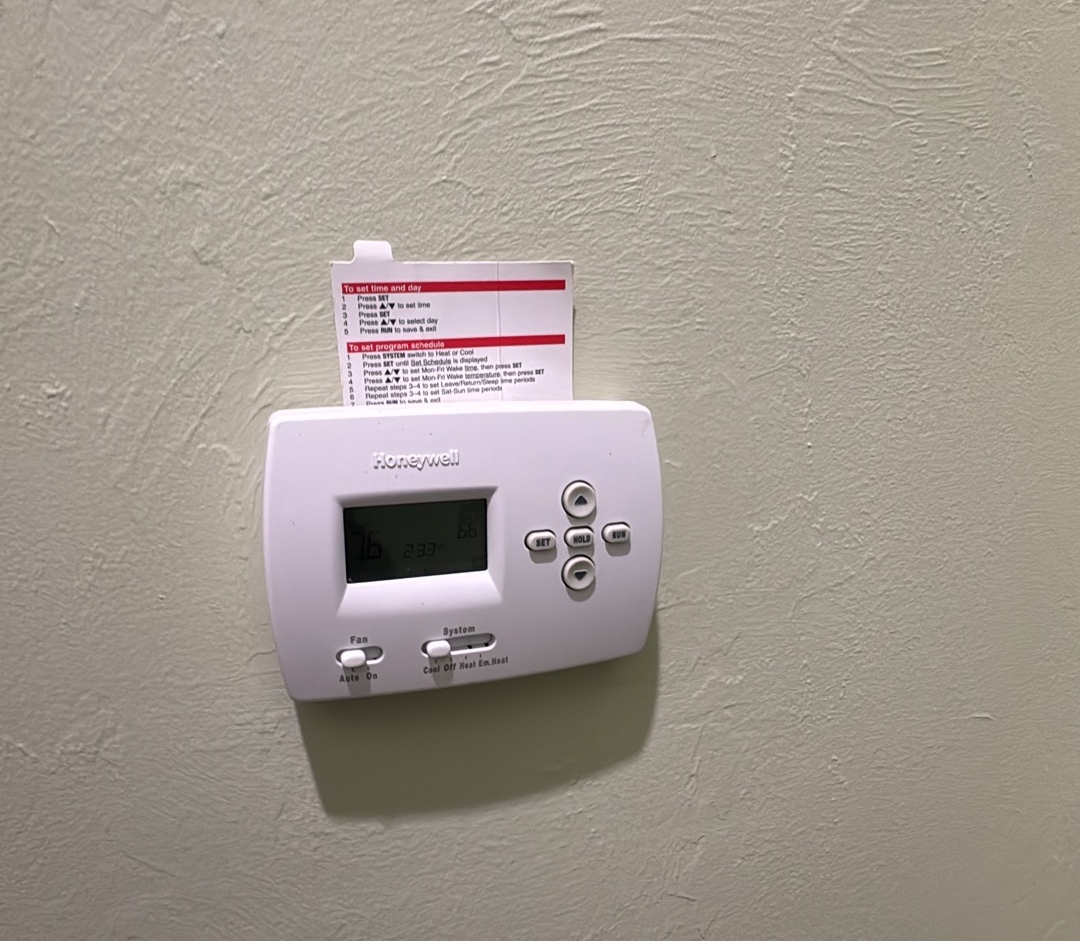
New HVAC systems require updated controls to run efficiently. Modern thermostats offer programmable settings and remote access through smartphone apps.
Smart thermostats learn your schedule and adjust temperatures automatically. They can reduce energy use by up to 15 percent compared to manual thermostats. These devices connect to your Wi-Fi network and let you control your system from anywhere.
Installers wire the new thermostat to communicate with your HVAC equipment. They configure settings for your specific system type and teach you how to program temperature schedules. Many smart thermostats also provide energy reports and maintenance reminders.
Zone control systems add another level of comfort by using multiple thermostats to manage different areas independently. This setup works well in multi-story homes or spaces with varying heating and cooling needs.
Your new system must deliver the right amount of air to each room. Installers calculate airflow requirements based on your home's size and layout.
They adjust dampers in the ductwork to balance air distribution. Each room should receive adequate airflow based on its square footage and position in your home. Supply registers push conditioned air into rooms while return vents pull air back to the system.
Technicians measure air pressure at various points in the duct system. They verify that the blower motor moves the correct volume of air and check that refrigerant levels match manufacturer specifications. Poor airflow creates hot and cold spots that waste energy and reduce comfort.
Balancing also involves checking filter placement and size. The right filter improves air quality without restricting airflow that makes your system work harder.
Professional installers test every component before completing your replacement project. This final step confirms that your system operates safely and efficiently.
Technicians run the system through complete heating and cooling cycles. They measure temperature output at vents and verify that all zones reach target temperatures. Electrical connections get checked for proper voltage and amperage.
Key tests include:
You receive documentation showing that your system meets local building codes and manufacturer requirements. Installers explain warranty coverage and schedule your first maintenance visit. They also demonstrate how to change filters and operate your new controls properly.
Your HVAC system will show clear warning signs when it's reaching the end of its useful life. Recognizing these indicators early helps you plan for replacement before a complete breakdown leaves you uncomfortable and facing emergency repair costs.
If your HVAC system needs repairs more than twice in a single year, replacement becomes more cost-effective than continued fixes. Frequent breakdowns indicate that multiple components are wearing out at once.
You should track your repair costs over the past two years. When repair expenses exceed 50% of a new system's cost, replacement makes better financial sense. Parts for older systems become harder to find and more expensive as manufacturers discontinue support.
Each breakdown causes stress and discomfort in your home. A new system provides reliability and comes with a warranty that covers parts and labor for several years. This protection gives you peace of mind and predictable costs.
Your energy bills provide clear evidence of declining HVAC efficiency. A system that's losing efficiency must run longer to maintain the same temperature, which increases your monthly costs.
Compare your current energy bills to those from two or three years ago during the same season. An increase of 20-25% suggests your system is working harder than it should. Modern HVAC systems use significantly less energy than models from 10-15 years ago.
You can check your system's SEER rating to understand its efficiency. Older units typically have ratings between 8-10, while new systems offer ratings of 16 or higher. This difference translates to substantial savings on your utility bills throughout the year.
Noticeable temperature differences between rooms signal that your HVAC system can't distribute air properly anymore. You might find some rooms too hot while others feel too cold, even with the thermostat set to a comfortable temperature.
This problem often stems from a failing compressor, worn-out ductwork, or an undersized system for your home's needs. When your system struggles to maintain consistent temperatures, it runs constantly without achieving comfort.
Weak airflow from your vents indicates reduced system capacity. Your HVAC should deliver strong, steady airflow throughout your home. If you notice some vents barely pushing air while others work normally, your system lacks the power to serve your entire house effectively.
Central air conditioning systems typically last 15-20 years with proper maintenance. Furnaces generally operate reliably for 15-18 years. Once your system reaches these age ranges, replacement becomes necessary regardless of current performance.
Check the manufacturer's label on your outdoor unit or furnace to find the installation date. You can also look at your home inspection report or installation records. Systems approaching or exceeding their expected lifespan will fail soon.
Older systems lack modern features like variable-speed motors, smart thermostats, and zoned temperature control. They also use R-22 refrigerant, which is no longer produced and costs significantly more to refill. New systems use environmentally friendly refrigerants and operate more quietly.
New production and import of most HCFCs were phased out as of 2020, and HCFC-22 (R-22) is the most common HCFC still found in existing AC equipment—so older R-22 systems often face higher service complexity and refrigerant constraints when deciding between repair and replacement, according to the U.S. EPA.
Your HVAC system directly affects the air you breathe inside your home. A failing system can't filter out dust, pollen, and other particles effectively. You might notice more dust on surfaces or experience increased allergy symptoms.
Excess humidity or overly dry air indicates your system isn't controlling moisture levels properly. Good HVAC systems remove humidity in summer and maintain comfortable moisture levels in winter. When this balance fails, you'll feel uncomfortable even at normal temperatures.
Strange odors coming from your vents suggest mold growth, burned wiring, or accumulated debris in your ductwork. These issues compromise air quality and can affect your health. A new system with proper filtration and fresh components provides cleaner, healthier air for your family.
Professional HVAC service follows a systematic process that starts with evaluating your home's heating and cooling requirements and ends with a fully tested system. The installation involves removing outdated equipment, preparing your space, and installing new components that match your home's specific needs.
A professional HVAC service begins by inspecting your existing system to understand why it's failing and what caused the problems. Technicians measure your home's square footage, check insulation levels, and count windows and doors to calculate the correct system size.
They also review your past energy bills to spot patterns in usage. This helps them recommend a unit with the right efficiency rating for your budget and climate.
The crew examines your current ductwork for leaks, damage, or poor design that could waste energy. They note the age of your system and whether repairs would cost more than replacement. Most systems last about 15 to 21 years before needing full replacement.
Your technician will recommend a system based on your home's size and layout. They calculate the British Thermal Units (BTUs) needed to heat and cool your space properly.
A unit that's too small won't keep your home comfortable. A unit that's too large wastes energy and cycles on and off too frequently. Professional HVAC service uses industry standards to match equipment capacity to your exact requirements.
Modern systems come with different efficiency ratings measured by SEER (Seasonal Energy Efficiency Ratio) for cooling and AFUE (Annual Fuel Utilization Efficiency) for heating. Higher ratings mean lower utility bills but higher upfront costs.
Your contractor will help you choose between single-stage, two-stage, or variable-speed systems based on your comfort preferences and budget.
Before the crew arrives, you need to clear furniture and storage items from around your indoor units. Outside, move plants, debris, and patio furniture away from the condenser location.
For flood-prone areas common along the Gulf Coast, FEMA advises raising and anchoring outdoor AC condensers/heat pumps on platforms at least 1 foot above the potential flood elevation, which should be considered when setting the condenser pad height and tie-down method during replacement.
The team disconnects power to your old system and removes refrigerant according to environmental regulations. They take out the old furnace, air handler, and outdoor condenser unit.
Technicians inspect the installation areas for any structural issues or code violations that need fixing. They check electrical connections, gas lines, and drainage systems to make sure everything meets current building codes.
The crew may need to modify framing, add supports, or update electrical panels to handle new equipment requirements.
The installation team places the new furnace or air handler in your home, typically in a basement, attic, or utility closet. They mount the outdoor condenser on a level pad or brackets.
Technicians connect refrigerant lines between indoor and outdoor units using proper sizing and insulation. They run new electrical wiring and install a dedicated circuit breaker if needed.
The crew seals all ductwork connections with mastic or metal tape to prevent air leaks. They may replace damaged sections or add new ducts to improve airflow. Every joint gets secured and insulated properly.
Workers install a new thermostat and connect it to your system. They also add condensate drains and ensure proper slope for water removal.
After installation, technicians charge the system with the correct amount of refrigerant specified by the manufacturer. They measure airflow at each register to confirm balanced distribution throughout your home.
The crew tests the system through multiple heating and cooling cycles. They check temperature differences between supply and return air to verify proper operation.
Technicians measure electrical current draw to ensure components run within normal ranges. They listen for unusual noises and check for vibrations that might indicate loose parts.
The team verifies that safety controls work correctly and that the system shuts down properly when needed. They adjust fan speeds and calibrate the thermostat for accurate temperature control. You receive documentation of all test results and warranty information before the crew leaves.
Replacing your central HVAC system brings measurable improvements to your home's comfort, energy costs, and long-term reliability. Modern systems use less energy, maintain steady temperatures throughout your home, and require fewer repairs over their lifespan.
New central HVAC systems use significantly less energy than older models. Systems built in the last few years meet stricter efficiency standards that weren't in place 10 or 15 years ago.
An energy-efficient HVAC system can reduce your monthly utility bills by 20 to 40 percent compared to units that are more than a decade old. The actual savings depend on your old system's condition and the new system's efficiency rating.
Modern units include features like variable-speed motors and smart thermostats that adjust output based on your home's needs. These features prevent the system from wasting energy when full heating or cooling isn't necessary. Over the course of a year, these small adjustments add up to substantial cost savings on your energy bills.
A new central HVAC system eliminates hot and cold spots that older systems often create. Modern equipment distributes air more evenly throughout your home.
You'll notice more consistent temperatures from room to room. Your bedroom will feel the same as your living room, and you won't need to adjust the thermostat constantly to stay comfortable.
New systems also control humidity better than older units. Proper humidity levels make your home feel more comfortable at the same temperature setting. Better humidity control also helps prevent mold growth and protects your furniture and woodwork from moisture damage.
Older HVAC systems break down more often as parts wear out. A new system gives you dependable performance when you need it most.
Modern central HVAC units need fewer repairs during their first several years of operation. You won't face unexpected breakdowns during heat waves or cold snaps when your system works hardest.
New equipment comes with manufacturer warranties that cover parts and sometimes labor for several years. This protection gives you peace of mind and reduces your maintenance costs. You can plan your budget without worrying about surprise repair bills.
Today's central HVAC systems last between 12 and 17 years with proper maintenance. New units give you over a decade of reliable service before you need to think about replacement again.
Modern systems use better materials and improved designs that hold up longer than older equipment. Better components mean fewer breakdowns and less wear on critical parts.
Regular maintenance extends your new system's life even further. Simple tasks like changing filters and scheduling annual inspections help your equipment reach or exceed its expected lifespan. Starting fresh with a new system means you get the full benefit of these years without inheriting problems from a previous owner or prior neglect.
New central HVAC systems meet current environmental and safety regulations that didn't exist when older units were built. These standards protect both the environment and your home.
Modern systems use refrigerants that have less impact on the ozone layer. Older units often use refrigerants that are being phased out, making repairs more expensive and sometimes impossible.
Current building codes and efficiency standards ensure your new system operates safely and effectively. Meeting these standards can also affect your home's resale value, as buyers prefer homes with up-to-date systems. Some utility companies and government programs offer rebates for installing systems that exceed minimum efficiency requirements, which can offset part of your replacement cost.
Your new central HVAC system needs regular care to run efficiently and last 15 to 20 years. Simple tasks like changing filters and scheduling annual inspections prevent breakdowns and keep energy costs low.
Your air filters trap dust, pollen, and debris before they enter your HVAC system. Dirty filters force your system to work harder, which increases energy bills and can cause equipment failure.
Check your filters every 30 days. Basic fiberglass filters need replacement every 1 to 3 months. Pleated filters last 3 to 6 months, depending on air quality and system use.
Replace filters more often if you have pets, live in a dusty area, or run your system frequently. You'll notice reduced airflow from vents when filters get clogged. Mark your calendar or set phone reminders to check filters on the same day each month.
Turn off your system before removing the old filter. Note the arrow on the filter frame that shows airflow direction. Install the new filter with the arrow pointing toward the ductwork.
Schedule a professional inspection once per year, ideally before the cooling season starts. A trained technician checks components that you can't easily access or test yourself.
During the inspection, the technician tests refrigerant levels and looks for leaks. They examine electrical connections and tighten any loose wires. They clean the evaporator and condenser coils to maintain efficient heat transfer.
The technician also measures airflow and checks static pressure in your ducts. They calibrate your thermostat to ensure accurate temperature readings. They clear the condensate drain line to prevent water damage and mold growth.
Annual inspections catch small problems before they become expensive repairs. Many HVAC companies offer maintenance plans that include priority service and discounts on parts.
Pay attention to how your system operates daily. Unusual sounds, smells, or performance changes often signal developing problems.
Your system should cycle on and off smoothly without grinding, squealing, or banging noises. Airflow from vents should feel strong and consistent in all rooms. Your home should reach the set temperature within a reasonable time.
Watch your energy bills for unexpected increases. A sudden spike might mean your system is losing efficiency. Check for water pooling near your indoor unit, which suggests a clogged drain line.
Notice if some rooms stay warmer or cooler than others. This imbalance could indicate duct leaks or damper issues.
Dust and debris build up in your vents and ductwork over time. This buildup restricts airflow and spreads allergens throughout your home.
Remove vent covers every few months and vacuum them with a brush attachment. Wipe them down with a damp cloth and let them dry before reinstalling. Use your vacuum's hose attachment to clean visible dust inside the first few inches of each duct opening.
Professional duct cleaning becomes necessary every 3 to 5 years for most homes. You might need it sooner if you notice mold growth, pest infestations, or excessive dust on surfaces after cleaning.
Keep furniture, curtains, and other objects at least 6 inches away from vents. Blocked vents force your system to work harder and create uneven temperatures.
Create a maintenance schedule that covers both simple tasks and professional services. Consistent care prevents most HVAC emergencies.
Monthly tasks:
Seasonal tasks:
Annual tasks:
Keep records of all maintenance and repairs. Note when you change filters, what the technician found during inspections, and any parts that were replaced. These records help you track your system's health and can increase resale value when you sell your home.
Gary Air brings over 25 years of experience to every residential and commercial HVAC replacement project in Sarasota and Manatee counties. Their licensed technicians deliver fast service and energy-efficient solutions designed specifically for Florida's climate.
Gary Air employs fully licensed technicians with decades of combined experience in HVAC installation and replacement. Each technician undergoes background checks and follows strict quality standards to ensure your system is installed correctly the first time.
The company's technical team specializes in both residential and commercial installations. They understand Florida's unique challenges, including salty coastal air and high humidity levels that can shorten equipment life. This local expertise helps them recommend systems that last longer and perform better in your specific environment.
All technicians receive ongoing training on the latest HVAC technology and installation methods. They arrive with shoe covers, maintain clean work areas, and complete thorough cleanup after every job.
Gary Air handles HVAC replacement projects for homes and businesses of all sizes. Their residential services cover everything from single-family homes to multi-unit properties. They help you select properly sized equipment that keeps every room comfortable without wasting energy.
For commercial clients, Gary Air understands that downtime costs money. They work efficiently to minimize disruption to your business operations while ensuring your new system meets building codes and performance requirements.
The team provides detailed load calculations to determine the exact capacity your space needs. This prevents common problems like oversized units that cycle on and off too frequently or undersized systems that struggle to maintain temperature.
Gary Air offers 24-hour emergency service when your existing system fails unexpectedly. Their dispatch team responds quickly to assess your situation and determine whether repair or replacement makes the most financial sense.
The company maintains a reputation for completing installations on schedule. They coordinate with suppliers to ensure equipment arrives on time and stock commonly needed parts to avoid delays.
You receive clear communication throughout the replacement process. Technicians explain each step, answer your questions, and provide realistic timelines for completion. They respect your property and your schedule.
Gary Air specializes in selecting high-efficiency systems that reduce your monthly energy costs. They evaluate your space, usage patterns, and budget to recommend equipment that delivers the best return on investment.
The company installs modern systems with high SEER ratings that qualify for utility rebates and tax credits. These units use less electricity while providing more consistent temperatures throughout your building.
Their technicians properly size ductwork and install programmable thermostats to maximize efficiency. They seal all connections to prevent air leaks that waste conditioned air. You get a complete system designed to perform efficiently for years, not just equipment that barely meets minimum standards.
Replacing your central HVAC system is a major decision that affects your home's comfort and your budget. You need to weigh factors like your system's age, repair costs, and energy efficiency before making a choice.
If your unit is over 15 years old and requires frequent repairs, replacement often makes more sense than continuing to fix an aging system. You'll benefit from improved energy efficiency, lower utility bills, and better indoor air quality with a new unit.
Working with a qualified HVAC professional helps you choose the right system size and features for your home. They can assess your current setup, recommend appropriate options, and ensure proper installation.
A new central HVAC system represents a significant investment that typically pays off through reduced energy costs and fewer repair needs. You'll gain peace of mind knowing your system will keep your home comfortable for years to come. Planning ahead and making an informed decision helps you avoid emergency replacements during extreme weather when you need cooling or heating most.
Schedule a central HVAC replacement evaluation with Gary Air to run a load calculation, review duct condition, and provide a documented replacement plan and estimate for an energy-efficient system that meets Florida code and manufacturer specs.





.avif)

