Modern HVAC systems use advanced technology like smart thermostats, variable-speed motors, and improved air filtration to deliver better comfort while using less energy than older units.
Your home's heating and cooling system does more than just keep you comfortable. It affects your energy bills, indoor air quality, and how well your family stays protected from extreme temperatures.
According to UF/IFAS Extension, Florida’s heat and humidity make air conditioning important for both comfort and humidity control, and system size, efficiency, and placement materially affect performance and energy use.
Understanding what makes an HVAC system modern can help you decide if it's time for an upgrade.
Modern systems can adapt to your home's needs throughout the day and give you more control over your indoor environment. They also tend to break down less often and last longer when properly maintained.
This guide will walk you through what sets modern systems apart from older models, the benefits they offer, and how to know when it's time to replace your current setup. You'll also learn what to expect during professional installation and how to keep your new system running efficiently for years to come.
Here’s what you’ll find below:
Keep reading to understand what defines a modern HVAC system and how today’s energy-efficient HVAC features improve comfort, control, and indoor air quality in Florida homes.
Modern HVAC systems stand apart from older models through energy-efficient technology, smart controls, better air quality features, and precise climate management. These systems reduce energy costs while providing cleaner air and more comfortable living spaces.
Energy-efficient HVAC systems use less power to heat and cool your home compared to older units. Modern systems achieve higher SEER (Seasonal Energy Efficiency Ratio) ratings, often between 16 and 25, while older systems typically rate below 13. This means you get the same comfort level while using significantly less electricity.
Per the U.S. Department of Energy (DOE), central air conditioner efficiency requirements vary by region and the updated SEER2-based standards took effect January 1, 2023, affecting what can be installed in the Southeast region (which includes Florida).
Advanced heating and cooling systems include variable-speed compressors that adjust output based on your needs. Instead of constantly turning on and off, these compressors run at lower speeds when full power isn't needed. This approach saves energy and reduces wear on system components.
Heat pump technology has improved dramatically in modern systems. Today's heat pumps work efficiently even in cold climates, extracting heat from outdoor air down to temperatures as low as -15°F. Some systems use geothermal technology, pulling heat from the ground where temperatures stay constant year-round.
Modern units also use eco-friendly refrigerants that have less environmental impact. These newer refrigerants comply with updated regulations while maintaining or improving system performance.
Smart HVAC technology connects your heating and cooling system to your smartphone or computer. You can adjust temperature settings from anywhere, check system status, and receive maintenance alerts. This remote access helps you respond quickly to changes in weather or schedule.
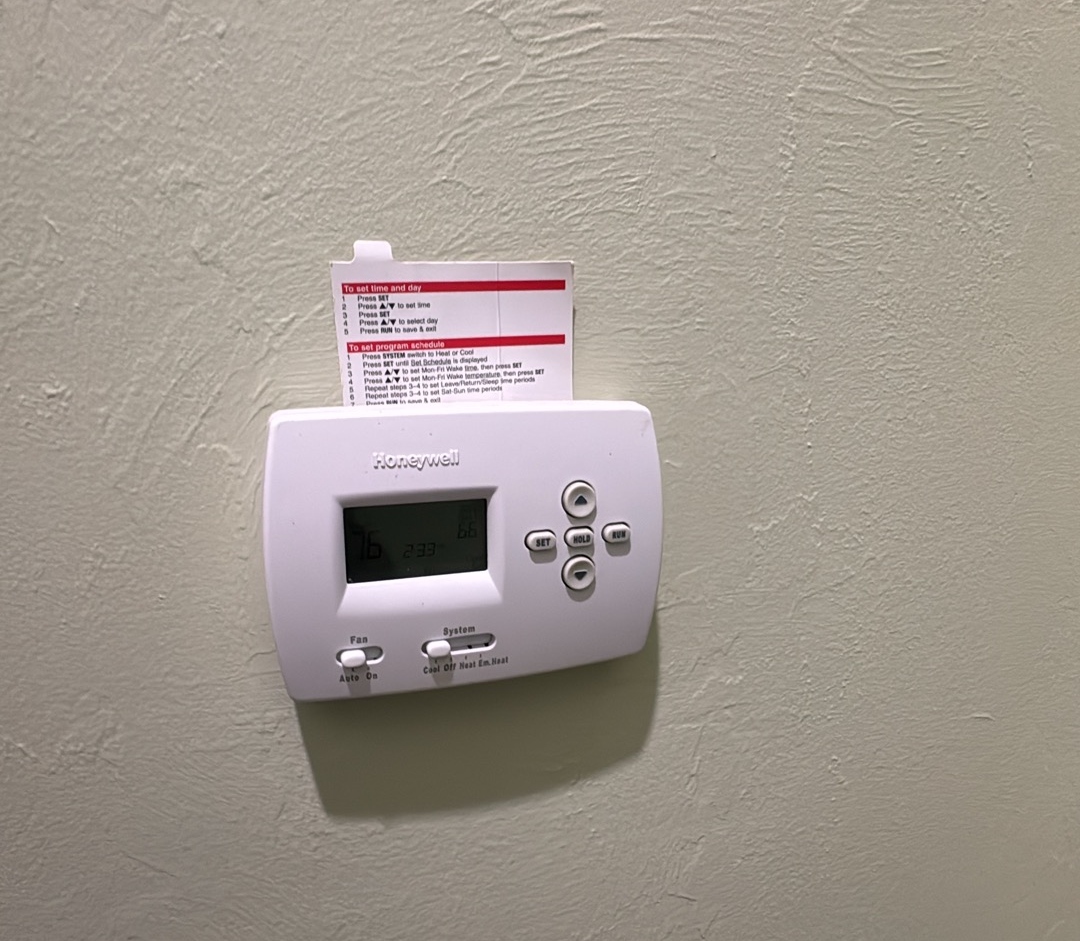
Modern thermostats learn your habits and preferences over time. They track when you're home, what temperatures you prefer, and adjust automatically to match your routine. This automated scheduling eliminates the need to constantly adjust settings manually.
According to the U.S. EPA (ENERGY STAR), ENERGY STAR–certified smart thermostats deliver average savings of about 8% on heating and cooling bills (about $50/year), with results varying by climate, occupancy, comfort settings, and HVAC equipment.
Key smart features include:
These systems can also integrate with other smart home devices. Your HVAC can work with window sensors, humidity monitors, and air quality detectors to optimize your indoor environment.
Modern HVAC systems include filtration technology that removes more particles from your air. High-efficiency filters capture dust, pollen, pet dander, and other allergens that older systems miss. MERV ratings range from 1 to 16, with modern residential systems typically using filters rated between 8 and 13.
According to the U.S. EPA, a filter’s MERV rating indicates how well it captures particles in the 0.3 to 10 micron range, and MERV 13 or higher can capture smaller airborne particles—so filter choice should be matched to what your HVAC system can safely handle without restricting airflow.
Some systems add UV light technology that kills bacteria, viruses, and mold spores as air passes through. These UV systems work continuously without creating ozone or other harmful byproducts.
Air purification components can include activated carbon filters that remove odors and chemical vapors. This feature helps if you have pets, cook frequently, or live in areas with outdoor air pollution. Modern systems also maintain better humidity control, preventing mold growth and keeping your air quality consistent.
According to UF/IFAS Extension, to discourage mold growth while supporting efficiency, indoor relative humidity should generally be kept below 70% (ideally 45%–60%)—which is a practical target when evaluating humidity control features in a modern HVAC system.
Zoned systems divide your home into separate areas with independent temperature controls. You can set your bedroom cooler at night while keeping other rooms warmer. Each zone has its own thermostat that communicates with motorized dampers in your ductwork.
This targeted approach saves energy because you're not heating or cooling unused spaces. If you work from home, you can focus climate control on your office during the day. Guest rooms can stay at minimal settings until visitors arrive.
Benefits of zoning include:
Ductless mini-split systems offer another zoning option. These units mount directly in rooms without requiring extensive ductwork modifications.
Modern systems operate at noise levels between 25 and 55 decibels, comparable to a whisper or normal conversation. Older units often produce 70 decibels or more, similar to a vacuum cleaner. Advanced fan designs, insulated compressor compartments, and vibration-dampening materials all contribute to quieter performance.
Variable-speed motors run more smoothly than single-speed models. They avoid the jarring starts and stops that create noise and stress on components. This steady operation extends equipment life and reduces repair needs.
Modern systems include diagnostic sensors that detect problems early. These sensors monitor refrigerant levels, airflow rates, and component temperatures. You receive alerts about potential issues before they cause system failures, allowing for scheduled maintenance instead of emergency repairs.
Modern HVAC systems deliver measurable improvements in energy efficiency, air quality, and home comfort. These systems reduce monthly utility costs while providing better temperature control and requiring less frequent repairs.
Modern HVAC systems use 20-40% less energy than units from 10-15 years ago. This reduction comes from variable-speed motors that adjust power usage based on actual heating and cooling needs rather than running at full capacity constantly.
Your monthly energy bills drop because new systems include higher SEER ratings. Units manufactured today must meet minimum SEER 14-15 standards, while older systems often operate at SEER 8-10.
Smart thermostats work with modern systems to learn your schedule and adjust temperatures automatically. You avoid wasting energy heating or cooling an empty home. Many systems also use two-stage compressors that run at lower speeds during mild weather, consuming less electricity while maintaining comfort.
Modern systems include advanced filtration that removes particles as small as 0.3 microns from your air. These MERV 11-13 rated filters capture pollen, dust mites, pet dander, and mold spores that basic filters miss.
Many new HVAC units integrate UV light technology that kills bacteria and viruses. This feature reduces airborne pathogens by up to 99.9%, creating a healthier environment for your family.
Improved humidity control is another advantage. Modern systems regulate moisture levels more precisely, preventing the growth of mildew and reducing allergens. You breathe cleaner air without the stuffiness or dryness that older systems create.
New HVAC systems eliminate hot and cold spots in your home through better airflow design. Variable-speed air handlers adjust fan speeds to distribute air evenly across all rooms.
You gain precise temperature control with programmable features that maintain your preferred settings within one degree. Zoning capabilities let you set different temperatures for separate areas of your home, so you don't heat or cool unused spaces.
Modern systems operate more quietly than older models. You won't hear the loud startup noises or constant cycling that disrupts sleep and daily activities.
Modern HVAC systems need fewer repairs because they use better components and smarter technology. Self-diagnostic features alert you to potential issues before they become major problems.
Key maintenance advantages:
Your system lasts 15-20 years with proper care, compared to 10-15 years for older models. This extended lifespan reduces the frequency of expensive replacements. Many manufacturers offer longer warranties on modern units, giving you additional protection and peace of mind.
Smart HVAC systems connect to your smartphone or tablet for complete control from anywhere. You can adjust temperature settings, check system status, and receive maintenance alerts while at work or on vacation.
These systems track energy usage patterns and provide detailed reports. You see exactly when and where your home uses the most energy, allowing you to make informed decisions about your consumption habits.
Remote diagnostics let HVAC technicians identify problems without visiting your home first. This capability speeds up repairs and reduces service costs. Your system can also order its own replacement filters and schedule maintenance appointments automatically.
Your HVAC system shows clear warning signs when it needs replacement, from frequent breakdowns to climbing utility bills. Recognizing these indicators helps you plan residential HVAC upgrades before complete system failure leaves you uncomfortable.
Your HVAC system reaches a breaking point when repair costs start adding up quickly. If your system needs repairs more than twice a year, you're likely spending money that could go toward a new unit.
Systems older than 15 years often require constant attention. Parts become harder to find, and technicians may charge more for working on outdated equipment. When your annual repair costs exceed 50% of a new system's price, replacement makes better financial sense.
Modern systems come with warranties that cover parts and labor for several years. You avoid the stress of unexpected breakdowns and the cycle of emergency repair calls. New equipment also uses current refrigerants and meets today's safety standards, unlike aging systems that may use phased-out coolants.
Your energy bills reveal how hard your HVAC system works to maintain comfort. A spike in monthly costs without changes in usage patterns signals declining efficiency. Old systems lose their ability to heat and cool effectively as components wear down.
New HVAC systems are 30-50% more efficient than models from 15-20 years ago. They use less electricity or gas to produce the same heating and cooling output. Variable-speed technology adjusts output to match your exact needs instead of running at full power constantly.
Smart thermostats in modern systems learn your schedule and preferences. They automatically adjust temperatures when you're away and ensure comfort when you're home. These features reduce waste and lower your monthly bills significantly compared to older single-stage systems.
Hot and cold spots throughout your home indicate your HVAC system can't distribute air properly. You might notice some rooms stay too warm while others feel cold, even with the same thermostat setting. These temperature differences mean your system lacks the capacity or technology to balance airflow.
Older systems use basic blowers that push air at one speed through your ductwork. Modern systems feature variable-speed blowers that adjust airflow to each area of your home. Zoning capabilities allow different temperatures in different rooms based on individual preferences.
Poor airflow also forces your system to run longer cycles. This increases wear on components and drives up energy consumption without improving comfort.
Your HVAC system directly affects the air you breathe inside your home. Excessive dust accumulation, persistent odors, or increased allergy symptoms point to filtration problems. Old systems often have basic filters that miss smaller particles and pollutants.
Modern HVAC systems include advanced air purification options. They capture more allergens, bacteria, and particles than older models. Better humidity control prevents mold growth and reduces dust mites that thrive in poorly regulated environments.
You might notice family members experiencing more respiratory issues or allergies when your system can't clean the air effectively. New systems also use environmentally friendly refrigerants that don't harm indoor air quality or contribute to your home's carbon footprint.
Your HVAC system may use technology that no longer meets current standards. Systems running on R-22 refrigerant face limited service options since this coolant was phased out in 2020. Replacement refrigerant costs have increased dramatically, making repairs expensive.
Older thermostats lack programmable features and can't communicate with modern smart home systems. Your heating and cooling units might not work together efficiently if they're different ages or brands. Mismatched components force your system to work harder and reduce overall performance.
Modern systems integrate all components from the same generation of technology. They share data and adjust operations automatically for peak efficiency. You gain access to remote monitoring, maintenance alerts, and diagnostic features that catch problems early.
Professional installation involves calculating your home's heating and cooling needs, selecting equipment that matches those requirements, installing the system with proper ductwork connections, and testing everything to ensure peak performance.
A trained technician starts by measuring your home's square footage and examining factors that affect temperature control. They look at insulation levels, window sizes and placement, ceiling heights, and how many people typically occupy the space.
The technician performs a Manual J load calculation to determine exactly how much heating and cooling capacity your home needs. This calculation accounts for your local climate, the direction your home faces, and heat generated by appliances. Many older systems were oversized or undersized because installers skipped this step.
Key factors in load calculations:
The calculation reveals the precise BTU (British Thermal Unit) capacity needed for both heating and cooling. Getting this right prevents short cycling, uneven temperatures, and wasted energy.
Your technician uses the load calculation results to recommend specific equipment that matches your home's needs. Modern HVAC systems come in different types, including furnaces with air conditioners, heat pumps, and ductless mini-splits.
The equipment selection considers your fuel options, such as natural gas, electricity, or propane. A system with a higher SEER2 rating for cooling or AFUE rating for heating costs more upfront but reduces monthly energy bills. Your technician explains these efficiency ratings and helps you balance initial costs with long-term savings.
They also verify that your electrical panel can handle the new system's power requirements. Upgrading from an older system sometimes requires electrical work to meet current codes.
The installation team removes your old equipment and positions the new components according to manufacturer specifications. They install the outdoor condenser unit on a level pad with proper clearance for airflow. Inside, they mount the furnace or air handler and connect refrigerant lines.
Critical installation steps include:
The technicians inspect your existing ductwork for leaks, damage, or design problems. They seal gaps with mastic or metal tape and may add insulation to ducts running through unconditioned spaces. Some installations require resizing ducts or adding return vents to balance airflow throughout your home.
Modern systems need precise refrigerant charges measured by weight, not pressure alone. Incorrect refrigerant levels reduce efficiency by up to 20% and can damage the compressor.
After installation, technicians run the system through multiple heating and cooling cycles to verify proper operation. They measure airflow at each register using specialized instruments to ensure balanced distribution. Temperature splits between supply and return air must fall within manufacturer specifications.
The team checks that the thermostat accurately controls the system and that safety features like limit switches function correctly. They measure amp draw on motors and compressors to confirm electrical components operate within normal ranges.
Performance verification includes:
You receive documentation showing that your installation meets local building codes and manufacturer requirements. This paperwork protects your equipment warranty, which typically becomes void if installation doesn't follow proper procedures.
Your installer sets up a maintenance schedule to keep your new system running efficiently. Most manufacturers require annual professional maintenance to maintain warranty coverage. The technician explains what tasks you can handle yourself, like changing filters every 1-3 months depending on usage.
They may recommend a service agreement that includes seasonal tune-ups before heating and cooling seasons begin. Regular maintenance catches small problems before they become expensive repairs and keeps your system operating at peak efficiency.
The installer registers your warranty with the manufacturer and provides you with model numbers, serial numbers, and key specifications. You'll need this information when scheduling future service calls or ordering replacement parts.
Modern HVAC systems need regular care to work well and last longer. Simple tasks like changing filters and using smart features help your system run efficiently while professional maintenance catches problems early.
Your HVAC filter traps dust, pollen, and other particles that circulate through your home. A dirty filter blocks airflow and makes your system work harder than it needs to.
Check your filter every month. Most filters need replacement every 1-3 months depending on use.
If you have pets or allergies, you'll need to change filters more often. Homes in dusty areas also require more frequent changes.
Standard 1-inch filters typically last 30-60 days. Thicker 4-inch filters can last 6-12 months. Look at the manufacturer's guidelines printed on the filter frame.
When you check the filter, hold it up to light. If you can't see through it easily, replace it. Dark spots or visible dirt mean it's time for a new one.
Your HVAC system needs different care in spring and fall. These inspections prepare your system for the heavy work it does in summer and winter.
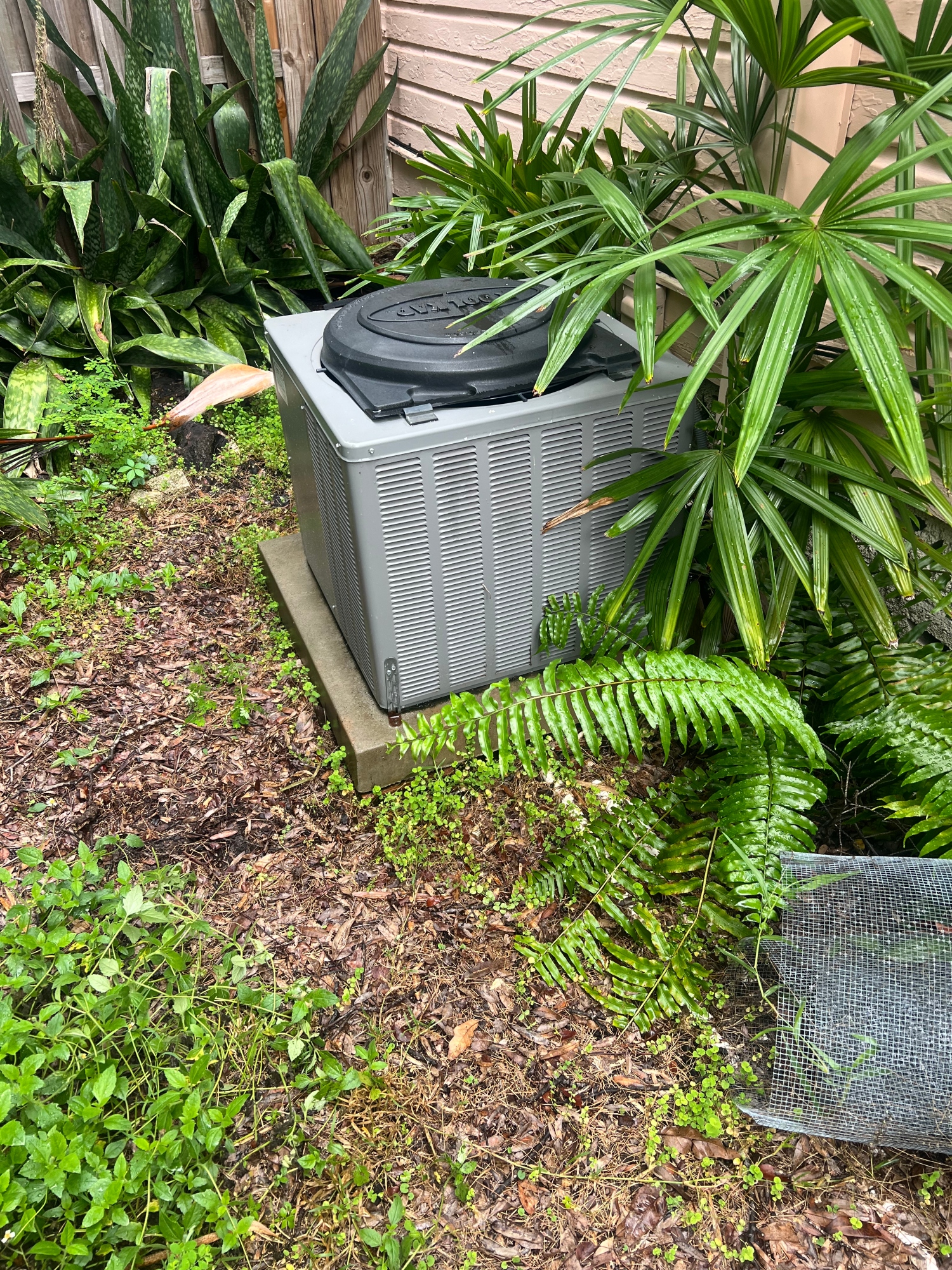
Before cooling season starts, check your outdoor unit. Clear away leaves, grass clippings, and debris within two feet of the unit. Trim back plants and bushes that block airflow.
Look at the condensate drain line. Pour a cup of bleach or vinegar through it to prevent clogs from algae growth.
Before heating season, inspect your furnace area. Make sure vents and registers throughout your home are open and unblocked by furniture or curtains.
Test your system by running both heating and cooling modes for 15 minutes. Listen for strange noises like grinding, squealing, or banging.
Refrigerant moves heat from inside your home to the outside air. Low refrigerant means your system can't cool properly and uses more energy.
You can spot refrigerant problems by watching for these signs:
Important: Only licensed technicians should check and add refrigerant. The process requires special tools and certifications. Low refrigerant usually means you have a leak that needs repair, not just a simple refill.
Your system should maintain refrigerant levels for years without adding more. If you need refrigerant added, the technician must find and fix the leak first.
Smart thermostats reduce energy waste by adjusting temperatures based on your schedule. Proper programming saves money while keeping your home comfortable.
Set different temperatures for when you're home, away, sleeping, and awake. Most people prefer 68-72°F when active and 65-68°F while sleeping.
Energy-saving temperature adjustments:
Your smart thermostat learns your patterns over time. Let it run in learning mode for the first two weeks. The system will optimize your schedule automatically.
Enable vacation mode when you travel. This setting maintains minimal heating or cooling to protect your home without wasting energy on an empty house.
Professional HVAC maintenance should happen twice per year. Spring service prepares your air conditioner and fall service readies your heating system.
Technicians perform tasks you can't do yourself. They measure airflow, test electrical connections, and calibrate thermostats for accurate readings.
During a maintenance visit, expect these services:
Annual maintenance contracts often cost $150-300 per year. These plans typically include two visits plus discounts on repairs and priority scheduling.
Keep records of all maintenance visits. Document what work was done and when. This history helps diagnose future problems and proves regular care if warranty claims arise.
Missing professional maintenance voids some manufacturer warranties. Check your warranty terms to understand required service schedules.
Gary Air brings over 25 years of family-owned expertise to Sarasota and Manatee counties, combining professional installation with personalized service. Their team focuses on delivering energy-efficient systems backed by 24-hour emergency support.
Gary Air employs certified and verified technicians with extensive experience in modern HVAC technology. Each team member undergoes training to stay current with the latest installation methods and equipment standards.
The company's 25+ years serving local communities means they understand the specific climate challenges of Sarasota and Manatee counties. Your installation team follows all code-compliant procedures to ensure your system operates safely and efficiently.
As an independent company, Gary Air provides impartial recommendations based on your actual needs rather than manufacturer quotas. Their technicians assess your home's size, insulation levels, and heating or cooling requirements before suggesting equipment.
Gary Air specializes in matching the right system capacity to your specific living space. They evaluate factors like square footage, ceiling height, and window placement to prevent oversized or undersized installations.
The company offers high-efficiency AC units, heat pumps, and furnaces designed to lower your monthly utility costs. Heat pumps transfer heat rather than generate it, providing year-round comfort with reduced energy consumption.
Your installation includes proper ductwork assessment and sealing to maximize system efficiency. Gary Air technicians ensure your thermostat placement and programming support optimal temperature control without wasting energy.
The company provides 24-hour emergency service when your system breaks down unexpectedly. Their responsive team prioritizes quick turnaround times for both routine installations and urgent repairs.
Gary Air handles every step of the installation process, from helping you select equipment to performing the final setup. Their technicians complete installations efficiently while maintaining attention to detail and quality workmanship.
You receive transparent communication throughout your project timeline. The team coordinates scheduling around your availability and keeps you informed of progress at each stage.
Gary Air focuses on creating consistent temperatures throughout your home rather than just installing equipment. They address hot spots, cold zones, and humidity issues that affect your daily comfort.
The company offers maintenance plans to keep your system running at peak performance year-round. Regular service appointments catch small problems before they become expensive repairs or complete system failures.
Your indoor air quality improves through proper ventilation and filtration included in modern HVAC designs. Gary Air technicians can recommend and install air purification upgrades if your household has specific allergy or respiratory concerns.
Modern HVAC systems have changed how you experience indoor comfort. These systems do more than heat or cool your space. They control temperature, manage humidity, and clean the air you breathe.
You can expect modern systems to work smarter than older models. They use sensors and programmable controls to adjust settings automatically. This means less manual work for you and more savings over time.
The technology in today's HVAC systems meets strict efficiency standards. Your system likely qualifies for government rebates or tax incentives when you choose high-efficiency models. These financial benefits make upgrading more affordable.
Your HVAC system plays a vital role in your daily life. It keeps your space comfortable during extreme weather. It removes pollutants and allergens from your indoor air. It maintains the right moisture levels to prevent mold and protect your belongings.
Modern systems give you control through your smartphone or voice commands. You can adjust settings from anywhere. You can monitor energy use in real time. These features put you in charge of your comfort and costs.
Request an estimate from Gary Air for a modern HVAC system upgrade sized to your home (Manual J load calculation), with SEER2/HSPF2-aligned equipment options and smart controls for efficient, reliable comfort across Florida’s Gulf Coast.