


A full HVAC system installation means setting up new heating, ventilation, and air conditioning equipment in your home or business. This process goes beyond replacing old units. It includes calculating the right system size for your space, checking ductwork, making electrical connections, and handling refrigerants safely.
According to the U.S. Department of Energy, leaky ductwork can waste a significant share of heated or cooled air, which is why sealing and insulating ducts during a full installation can have an immediate impact on comfort and operating costs.
A proper full HVAC system installation requires specialized knowledge, precision tools, and EPA certification to ensure your system operates efficiently and safely for years to come. Without professional expertise, your system may waste energy, fail early, or create safety risks.
Your HVAC system controls your indoor comfort and air quality every day.
This guide will walk you through what a full installation involves, how to know when you need one, what to expect during the process, and how to keep your new system running smoothly. You'll learn why professional installation matters and how to make the best choices for your property.
Here's what you need to know:
Keep reading to know what to plan for to avoid budget surprises while protecting performance, efficiency, and safety
A full HVAC system installation involves setting up all the components needed to heat and cool your property. This includes furnaces or heat pumps, air conditioning units, ductwork, ventilation systems, and electrical controls. Professional installers calculate your exact heating and cooling needs based on your property size and layout.
Residential HVAC installation focuses on homes and apartments. Trained technicians evaluate your living space to determine the right equipment size. They install indoor and outdoor units, connect ductwork throughout your home, and set up thermostats for climate control.
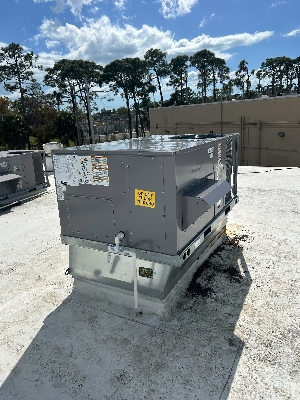
Commercial HVAC installation handles larger buildings like offices, retail spaces, and warehouses. These projects require more complex systems to manage bigger spaces and higher capacity demands. Commercial installations often involve multiple zones and advanced control systems.
The installation process typically includes these key steps:
Professional installation protects your warranty and ensures your system runs efficiently. Installers must handle refrigerants safely, connect electrical components correctly, and verify proper airflow throughout your property. The entire process usually takes one to three days depending on your property size and system complexity.
Your new HVAC system should provide reliable temperature control and better energy efficiency when installed correctly by qualified technicians.
A full HVAC system installation sets up all the heating, ventilation, and air conditioning components needed to control your indoor climate. This process covers everything from replacing your main equipment to setting up ductwork, controls, and ensuring the system runs efficiently.
Your heating and cooling units form the core of your HVAC system setup. The heating unit might be a furnace or heat pump that warms your space during cold months. The cooling unit is typically an air conditioner or the cooling function of a heat pump.
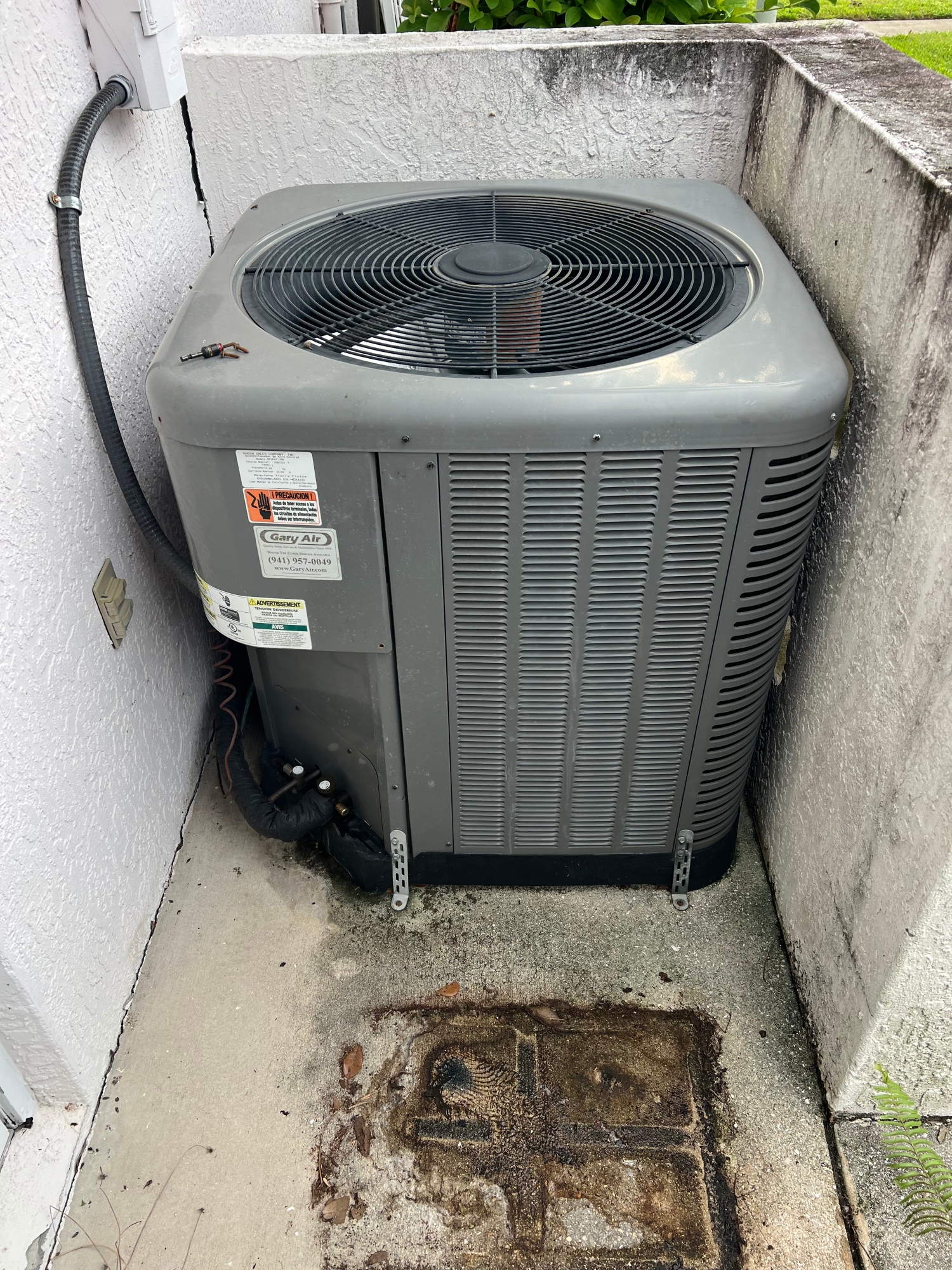
A full installation includes removing old equipment if you're replacing an existing system. Your installer will position the new units in appropriate locations, often placing the furnace or air handler indoors and the condenser unit outside. They'll connect refrigerant lines between indoor and outdoor components for cooling systems.
The units must match your space requirements. A system that's too small won't heat or cool effectively. One that's too large will cycle on and off frequently, wasting energy and reducing comfort.
Your installer will secure all units on stable platforms or mounts. They'll connect gas lines for gas furnaces or electrical connections for electric systems. All connections must meet local building codes and safety standards.
Ductwork carries heated or cooled air throughout your building. A full installation includes setting up new ducts or modifying existing ones to work with your new system. Supply ducts deliver conditioned air to rooms while return ducts bring air back to the system.
Your installer will size ducts based on airflow calculations for each room. Undersized ducts restrict airflow and make your system work harder. Oversized ducts waste energy and materials.
Proper duct sealing prevents air leaks that waste energy. Your installer will seal all joints with mastic or approved tape. They'll insulate ducts running through unconditioned spaces like attics or crawl spaces to prevent heat loss or gain.
In research summarized by the Florida Solar Energy Center (FSEC), a proposed duct airtightness target is 0.03 cfm/ft², and one monitored Florida home achieved 0.021 cfm/ft²—showing how tight ductwork is a measurable, testable part of high-performance installs.
Duct placement matters for efficiency. Installers route ducts through the shortest paths possible and avoid sharp bends that restrict airflow. They'll install dampers in certain branches to balance airflow between different areas.
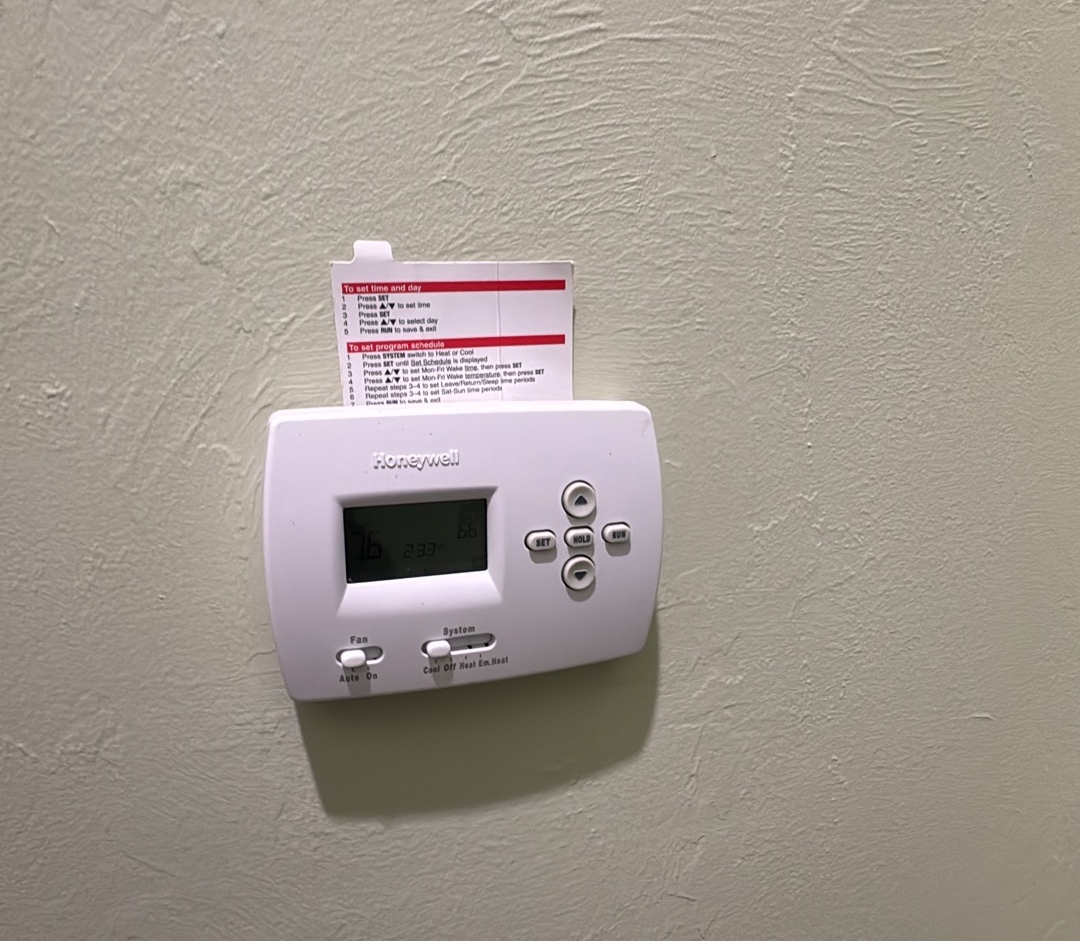
Your thermostat controls when your system runs and at what temperature. Modern installations typically include programmable or smart thermostats that adjust temperatures automatically based on schedules or occupancy.
The installer will mount your thermostat on an interior wall away from direct sunlight, drafts, or heat sources. These factors can cause false readings that make your system run incorrectly. The location should be easily accessible and in a frequently used area.
Wiring connects your thermostat to your HVAC equipment. Your installer will run new wiring if needed and configure the thermostat to communicate with all system components. They'll program basic settings and show you how to adjust them.
Advanced control systems might include zone controls that let you set different temperatures in different areas. Some systems connect to your home network for remote access through smartphone apps.
Balanced airflow means each room gets the right amount of heated or cooled air. Your installer measures airflow at supply registers using specialized tools. They adjust dampers and register positions to match the design specifications.
Static pressure testing checks for restrictions in the ductwork. High pressure means the system is working too hard, which reduces efficiency and shortens equipment life. Your installer will identify and fix restrictions.
Return air is just as important as supply air. Your system needs adequate return pathways to pull air back for reconditioning. Blocked returns or undersized return grilles create pressure imbalances that hurt performance.
Filter access and sizing affect airflow too. Your installer will ensure filters fit properly and that you can reach them easily for regular changes.
System commissioning verifies that everything works correctly before the job is complete. Your installer will run the system through full heating and cooling cycles. They'll check that all safety controls activate properly.
Refrigerant charge must be exact for optimal cooling performance. Too much or too little reduces efficiency and can damage components. Your installer uses gauges and thermometers to verify the correct charge.
Electrical connections get tested for proper voltage and amperage. Loose connections create safety hazards and equipment problems. Your installer will tighten all terminals and verify correct readings.
Combustion testing applies to gas furnaces. Your installer checks for proper gas pressure, flame appearance, and combustion efficiency. They'll test for carbon monoxide and adjust the burners if needed. You'll receive documentation showing your system meets all performance standards and safety requirements.
Knowing when to replace your HVAC system helps you avoid unexpected breakdowns and high repair costs. Your system age, repair frequency, energy bills, temperature consistency, and equipment compatibility all indicate whether you need a full replacement.
Most HVAC systems last between 10 to 15 years with proper maintenance. If your system is approaching or past this age range, it's operating far less efficiently than newer models.
Older units consume more energy to produce the same heating and cooling output. Modern systems use advanced technology that can reduce your energy consumption by 20 to 40 percent compared to systems installed 10 or more years ago.
An aging system also uses outdated refrigerants that may no longer meet current environmental standards. Many older units run on R-22 refrigerant, which is being phased out and costs significantly more to refill. Replacing your system now means you'll have equipment that meets current efficiency standards and uses approved refrigerants.
Your HVAC system shouldn't need repairs more than once every few years. If you're calling for service multiple times per year, the repair costs add up quickly.
A good rule is the 50 percent rule: if a repair costs more than 50 percent of a new system's price, replacement makes better financial sense. Small repairs like replacing filters or thermostats are normal, but major component failures signal deeper problems.
When one major component fails, other parts often follow soon after. Your compressor, heat exchanger, and blower motor all experience similar wear over time. Fixing one problem doesn't stop the others from failing.
Track your repair costs over the past two years. If you've spent more than $2,000 on repairs, a full HVAC replacement service might save you money in the long run.
Your heating and cooling costs should remain relatively stable from year to year. A sudden increase of 15 to 25 percent in your energy bills points to efficiency problems.
As HVAC systems age, they work harder to maintain the same temperature. This extra effort shows up directly on your monthly utility bills. Compare your current bills to what you paid two or three years ago during the same season.
Common causes of high energy bills:
A new, energy-efficient system typically pays for itself through lower utility bills within 5 to 10 years.
Some rooms shouldn't be significantly warmer or cooler than others. Temperature differences of more than 3 to 5 degrees between rooms indicate system problems.
Your HVAC system might be too small or too large for your home's current size. An undersized unit can't keep up with demand, while an oversized unit cycles on and off too frequently. Both situations create uncomfortable temperature variations.
Weak airflow from vents in certain rooms suggests ductwork issues or a failing blower motor. These problems often can't be fixed with simple repairs in older systems. The entire system may lack the capacity to distribute air properly throughout your home.
Zoning issues become more apparent as systems age. If adding duct modifications or zone controls to your 10-plus-year-old system seems necessary, a full replacement often makes more sense.
Your HVAC components should work together as a matched system. Mixing old and new parts creates efficiency problems and shortened equipment life.
If your outdoor condenser unit differs in age from your indoor air handler by more than a few years, they're not optimized to work together. Manufacturers design components to match specific efficiency ratings, and mismatched equipment never reaches its potential performance level.
Old thermostats can't communicate properly with newer system features. A basic dial thermostat paired with a modern variable-speed system wastes the advanced efficiency capabilities you're paying for.
Your ductwork condition matters too. Ducts older than 15 years often have leaks, poor insulation, or incorrect sizing. While you can repair ducts separately, doing this work during a full system installation ensures everything is properly sized and sealed together.
Outdated electrical systems may not safely handle modern HVAC equipment requirements. Upgrading to a new system often requires electrical updates that you should complete at the same time.
Professional HVAC installation involves detailed planning and skilled work to ensure your system runs safely and efficiently. Trained technicians follow specific steps to size, install, and test your new equipment properly.
A professional starts by assessing your home's unique heating and cooling needs. This involves measuring square footage, ceiling heights, and the number of rooms. The technician also checks insulation levels, window types, and local climate data.
The load calculation is a mathematical process that determines exactly how much heating and cooling capacity your space requires. Your installer uses Manual J calculations, which are industry standards set by the Air Conditioning Contractors of America (ACCA). This calculation accounts for factors like sun exposure, number of occupants, and heat-generating appliances.
ENERGY STAR recommends using an industry-standard load calculation (such as Manual J) to right-size HVAC equipment, because correct sizing supports both efficiency and comfort—especially in hot, humid climates.
Getting the load calculation right prevents installing a system that's too large or too small. An oversized unit cycles on and off too frequently, which wastes energy and wears out parts faster. An undersized unit runs constantly but never reaches comfortable temperatures.
The technician also inspects your existing ductwork for leaks, damage, or poor design. They measure airflow and check for adequate return air pathways.
Based on the load calculation results, your installer recommends specific equipment that matches your needs. You'll choose between different HVAC types like central air with a furnace, heat pumps, or ductless mini-splits.
The technician explains SEER ratings for cooling efficiency and AFUE ratings for heating efficiency. Higher numbers mean better energy savings but cost more upfront. Most professionals recommend balancing initial cost with long-term operating expenses.
Your installer considers your budget, energy goals, and any rebates or tax credits available for high-efficiency models. They also factor in your home's electrical capacity and whether upgrades are needed. The selected equipment must fit in the designated installation area and connect properly to existing infrastructure.
The crew disconnects and removes your old HVAC system safely. They shut off power at the breaker and close gas lines if you have a furnace. Refrigerant must be recovered properly according to EPA regulations, not vented into the atmosphere.
Per the U.S. EPA’s Section 608 program, refrigerant handling is regulated and typically requires certified technicians and proper recovery practices—one key reason professional installation protects both safety and compliance.
Workers remove the old indoor and outdoor units, taking care not to damage walls, floors, or landscaping. They haul away all old equipment for proper disposal or recycling.
The installation area gets cleaned and prepared for new equipment. This includes checking the concrete pad outside for levelness and stability. Inside, the technician ensures adequate clearance for airflow and service access. They may need to modify the platform or install new mounting brackets.
Electrical wiring and gas lines are inspected for safety and code compliance. Outdated components get replaced before new equipment arrives.
Installers position the outdoor condenser unit on a level pad with proper clearance on all sides. They secure it firmly and connect refrigerant lines that run to the indoor unit. These lines must be the correct size and properly insulated.
The indoor air handler or furnace gets mounted in the designated location, whether that's a closet, attic, basement, or crawlspace. Technicians connect the unit to ductwork using proper sealing methods and hangers.
Key installation tasks include:
The crew tests all connections for refrigerant leaks using pressure tests and electronic detectors. They verify electrical connections are tight and properly grounded.
Once installation is complete, the technician charges the system with the exact amount of refrigerant specified by the manufacturer. Too much or too little refrigerant reduces efficiency and can damage components.
The installer starts the system and monitors its operation closely. They measure airflow at supply registers throughout your home to ensure balanced distribution. Temperature readings verify the system achieves the right temperature split between supply and return air.
The technician checks refrigerant pressures and temperatures at multiple points in the system. These measurements confirm proper charge and efficient operation. They also verify the thermostat controls the system correctly and cycles appropriately.
Final checks include measuring amp draw on motors, testing safety controls, and ensuring proper condensate drainage. The installer demonstrates system operation to you and explains maintenance requirements to keep your warranty valid.
Professional installation ensures your HVAC system works efficiently from day one, protecting your investment while keeping your home comfortable. Trained technicians handle critical details that affect system performance, safety, and long-term costs.
When professionals install your HVAC system, they calculate the exact size your home needs. A system that's too large or too small wastes energy and drives up your utility bills. Technicians use detailed measurements of your home's square footage, insulation, and layout to match the right equipment to your space.
Proper installation also includes sealing all ductwork connections and setting the correct refrigerant charge. Even small leaks in ducts can waste 20-30% of conditioned air. Professionals test airflow at each vent and adjust dampers to balance the system.
Your thermostat placement matters for efficiency too. Installers position it away from direct sunlight, drafts, and heat sources that cause false readings. They also program the settings and explain how to use energy-saving features.
An energy-efficient HVAC system installed correctly can reduce your heating and cooling costs by hundreds of dollars each year. The precise calibration and setup work that professionals perform ensures every component operates at peak efficiency.
Professional installers eliminate hot and cold spots in your home by properly sizing and positioning equipment. They adjust airflow to each room based on its size and use. You won't deal with one bedroom freezing while another stays warm.
The installation includes setting up proper ventilation that brings fresh outdoor air into your home. This prevents stale air buildup and reduces indoor pollutants. Technicians also install filters correctly and show you how to maintain them.
Key comfort improvements include:
Your system's performance depends on precise pressure settings and airflow rates. Professionals use specialized tools to measure and adjust these factors. This attention to detail creates a comfortable indoor environment year-round.
Proper installation prevents many common problems that lead to expensive repairs. When components are installed incorrectly, they wear out faster and break down more often. Professional installers follow manufacturer specifications exactly, which keeps parts working as designed.
Your warranty coverage depends on professional installation in most cases. If an untrained person installs your system, you might void the warranty completely. This means you'll pay full price for any parts or repairs needed.
Correctly installed systems need fewer service calls. The technician balances refrigerant levels, tightens all electrical connections, and tests safety controls. These steps prevent issues like compressor failure, electrical shorts, and refrigerant leaks.
You'll spend less on emergency repairs when your system starts right. Professional installers test everything before they leave and address any problems immediately.
An HVAC system installed by professionals typically lasts 15-25 years with proper maintenance. Poor installation can cut this lifespan in half. The initial setup determines how hard your equipment works and how quickly parts deteriorate.
Installation factors that affect lifespan:
Factor
Impact on longevity
Correct refrigerant charge
Prevents compressor damage
Level outdoor unit placement
Reduces vibration and wear
Proper electrical connections
Avoids component burnout
Sealed ductwork
Decreases system strain
Your compressor is the most expensive component to replace. Professional installers protect it by ensuring proper airflow, correct refrigerant levels, and adequate electrical supply. These factors directly impact how long your compressor lasts.
The outdoor unit needs level, stable placement with proper clearance. Professionals install it on a concrete pad or mounting brackets that prevent settling and vibration. This careful positioning reduces mechanical stress on moving parts.
HVAC systems involve electrical wiring, gas connections, and refrigerant handling that require specific permits and certifications. Licensed professionals know local building codes and obtain necessary permits for your installation. This protects you from fines and ensures your home insurance remains valid.
Gas furnace installations require precise venting to prevent carbon monoxide buildup. Professional installers follow strict guidelines for combustion air supply and exhaust routing. They test for gas leaks and verify proper ventilation before completing the job.
Electrical work must meet national and local codes. Your HVAC system needs dedicated circuits with correct wire gauges and breaker sizes. Improper electrical installation creates fire hazards and equipment damage risks.
Refrigerant handling requires EPA certification. Professionals recover old refrigerant properly and charge new systems to exact specifications. They prevent environmental harm and ensure your system operates safely.
Manufacturer warranties require certified installation to remain active. Professional installers document their work and register your equipment with the manufacturer. This protects your investment and ensures you receive warranty coverage if problems arise.
Your new HVAC system needs regular care to work well and last longer. Simple maintenance tasks and professional checkups will keep your system running smoothly and help you avoid expensive repairs.
Your HVAC filter traps dust, pollen, and other particles that flow through your system. A dirty filter makes your system work harder and use more energy.
You should check your filter every month. Most standard filters need replacement every 1-3 months. If you have pets or allergies, you may need to change filters more often.
Look at your filter during your monthly check. If you can't see light through it, replace it right away. Clean filters help your system push air through your home easily. They also keep indoor air quality high and prevent dust buildup inside your equipment.
Filter replacement schedule:
Professional inspections catch small problems before they become big ones. A trained technician will check all parts of your system and make sure everything works correctly.
Schedule your inspection at least once per year. Many homeowners choose to have their heating system checked in fall and their cooling system checked in spring. This timing prepares each part of your system before you need it most.
During an inspection, the technician checks refrigerant levels, tests electrical connections, and examines all moving parts. They clean components that you can't reach and look for signs of wear. Most inspections take 1-2 hours and cost between $80 and $150.
Your energy bills tell you if your HVAC system is working efficiently. A sudden spike in costs often means something isn't working right.
UF/IFAS highlights how reducing heat gain around the home can lower cooling demand: one cited study found shade from a typical tree reduced monthly electrical use by about 4%, while dense shade reduced it by about 9%—a helpful complement to an efficient HVAC install along Florida’s Gulf Coast.
Check your monthly energy bills and compare them to the same months from previous years. A new HVAC system should lower your energy costs or keep them steady. If bills go up without a clear reason, your system may need attention.
A programmable thermostat helps you track energy use better. Set it to reduce heating or cooling when you're away or asleep. You can save up to 10% per year on energy costs by adjusting your thermostat 7-10 degrees for 8 hours daily.
Watch for these warning signs:
Clean vents and ducts help air move freely through your home. Blocked vents force your system to work harder and waste energy.
Check all vents in your home each month. Remove any furniture, curtains, or objects that block airflow. Vacuum dust and debris from vent covers using a brush attachment. You can wash plastic vent covers with soap and water every few months.
Your ductwork needs professional cleaning every 3-5 years. Dust, pet hair, and debris build up inside ducts over time. Professional duct cleaning removes this buildup and improves air quality throughout your home.
Keep the area around your outdoor unit clear too. Remove leaves, grass clippings, and debris within two feet of the unit. Trim any plants or bushes that grow too close.
Professional maintenance goes beyond basic filter changes and visual checks. Trained technicians have the tools and knowledge to service parts you can't access safely.
A maintenance visit includes cleaning the evaporator and condenser coils, checking refrigerant levels, and testing all safety controls. The technician lubricates moving parts, tightens electrical connections, and calibrates your thermostat. They also inspect the condensate drain to prevent water damage.
Many HVAC companies offer maintenance plans that include annual or bi-annual visits. These plans typically cost $150-$300 per year. Plan members often get priority service and discounts on repairs.
Professional maintenance protects your warranty too. Most manufacturers require proof of regular professional service to honor warranty claims. Keep all service records in a safe place. Your system will run better and last 5-10 years longer with consistent professional care.
Gary Air brings certified expertise, transparent service, and proven reliability to every installation project. Their technicians handle both residential and commercial systems with attention to proper sizing, energy performance, and long-term value.
Gary Air employs certified technicians who have completed extensive training in HVAC installation procedures. These professionals hold the necessary licenses required by state and local regulations. Their experience covers multiple system types, including traditional split systems, heat pumps, and dual-fuel configurations.
Each technician stays current with manufacturer specifications and industry standards. This training ensures your system gets installed according to proper protocols. The team knows how to handle ductwork modifications, refrigerant lines, electrical connections, and thermostat integration.
When licensed professionals handle your installation, you avoid the risks that come with improper setup. These risks include reduced efficiency, premature equipment failure, and safety hazards. Gary Air's technicians follow a systematic approach that protects your investment and ensures code compliance.
Gary Air responds quickly to installation requests for both homes and businesses. The company understands that you need your heating and cooling operational without lengthy delays. Their team coordinates scheduling to minimize disruption to your daily routine or business operations.
The service includes emergency installation support when your existing system fails unexpectedly. Fast response times mean you won't spend extended periods without climate control. Gary Air maintains adequate inventory and equipment to complete most installations within a reasonable timeframe.
Reliability extends beyond speed. The company shows up as scheduled and completes work according to the agreed timeline. You receive clear communication throughout the process about what to expect and when installation will finish.
Proper system sizing determines how well your HVAC performs and how much it costs to operate. Gary Air performs professional load calculations based on your home's square footage, insulation levels, window placement, and climate zone. These calculations ensure your system matches your actual heating and cooling needs.
An oversized system cycles on and off too frequently, wasting energy and wearing out components faster. An undersized system runs constantly without maintaining comfortable temperatures. Gary Air selects equipment capacity that provides consistent comfort while maximizing efficiency.
The installation process includes careful placement of indoor and outdoor units, proper refrigerant charging, ductwork inspection and sealing, and thorough system testing. Each step receives attention to detail that affects your system's performance for years to come.
Gary Air prioritizes high-efficiency equipment that reduces your monthly utility costs. The company helps you understand SEER ratings, AFUE percentages, and HSPF numbers so you can make informed decisions. They offer systems that qualify for energy rebates and tax credits when available.
Beyond equipment selection, efficient installation practices matter. Sealed ductwork, proper insulation, and correct refrigerant levels all contribute to energy savings. Gary Air's installation methods ensure your system operates at its designed efficiency level.
Customer satisfaction includes transparent pricing with no hidden fees. You receive detailed explanations of your options before work begins. The company backs installations with warranty coverage that protects both equipment and labor, giving you confidence in your investment.
Installing a full HVAC system is a major investment in your home's comfort and efficiency. The process requires careful planning, professional expertise, and attention to detail at every stage.
Your new system will only perform as well as its installation allows. Proper setup ensures you get the energy savings, consistent temperatures, and reliable operation you paid for. Poor installation can lead to higher utility bills, frequent repairs, and a shorter system lifespan.
You should expect the entire process to take anywhere from one to three days depending on your home's specific needs. Simple replacements move faster than complete system installations with new ductwork.
Working with qualified HVAC professionals makes the difference between a system that works and one that excels. They handle permits, follow local codes, and ensure your manufacturer's warranty remains valid.
Your role includes preparing your home, asking questions, and scheduling regular maintenance after installation. These steps protect your investment and keep your system running efficiently for 15 to 20 years.
The upfront time and cost of professional installation pays off through lower energy bills, better indoor air quality, and fewer repair calls. Your home will stay comfortable year-round with a properly installed HVAC system.
Request a written estimate for a full HVAC system installation from Gary Air so you can confirm load calculations, ductwork scope, permit requirements, equipment efficiency ratings, and total installed cost before work begins.






.avif)

