


Test your heating before a Sarasota Springs cold front hits. Learn what fails after months of disuse, what you can check yourself, and when to call a pro.
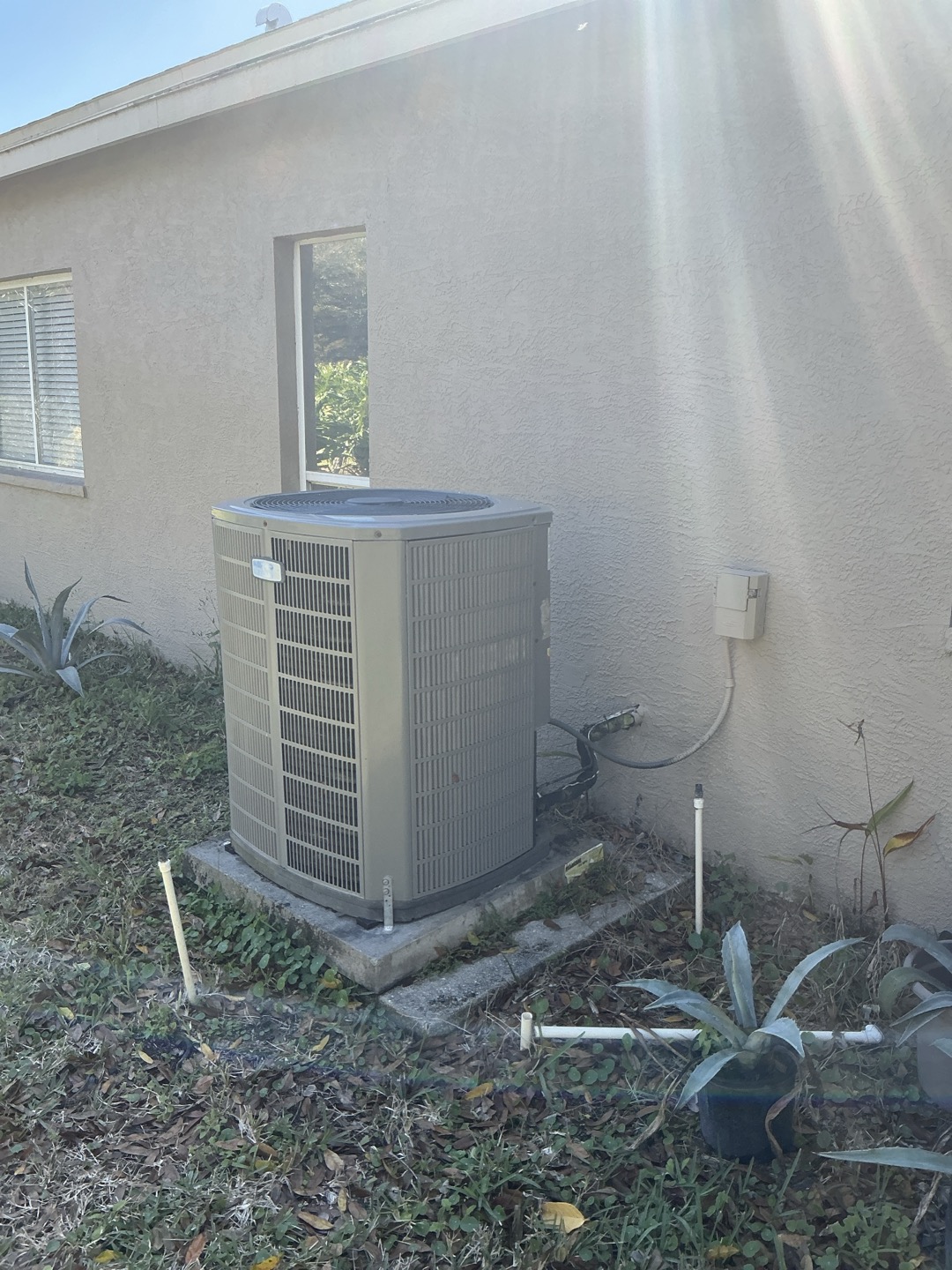
Florida's first cold front of the season can catch Sarasota Springs homeowners off guard. After months of running your air conditioner in temperatures that reach the low 90s, switching your system to heat mode often reveals problems you didn't know existed. When that first cold snap arrives, many heating systems fail to work properly because they've sat unused for most of the year.
You might notice a burning smell, weak airflow, or no heat at all when you flip the switch. These issues are common in Florida homes where heating systems run only a small portion of the year. The good news is that many problems have simple fixes you can handle yourself.
Understanding what to check before calling a technician can save you time and money. Some heating issues stem from normal wear and tear, while others signal the need for professional help. This guide walks you through the most common problems and shows you how to safely troubleshoot your heating system when winter weather arrives.
Running a heat check before a cold front in Sarasota Springs is the one thing most homeowners skip and most regret. When you understand what commonly goes wrong with heating in this area, the value of testing before the temperature drops becomes obvious.
In this article, you will learn about:
Keep reading to learn how to tell the difference between a harmless dust burn-off and a problem that needs a technician, so you are not scrambling for service on the coldest night of the year.
When Florida heating systems activate after months of dormancy, electrical demands spike and dormant components face sudden stress that exposes weaknesses and causes unexpected failures.
Your heating system requires significantly more electricity when it first switches to heat mode compared to cooling. Heat pumps must reverse their refrigerant flow and work harder to extract warmth from cooler outdoor air. This process creates an immediate power surge that affects your entire electrical system.
The initial startup draws the most current, sometimes two to three times the normal operating load. In Sarasota Springs homes with older electrical systems, this sudden demand can overwhelm circuits not upgraded for modern HVAC equipment. Your system might start normally but struggle to maintain consistent operation as it cycles on and off throughout the day.
Most heating calls during first cold fronts stem from power-related issues rather than mechanical failures. Your breaker might handle summer cooling without problems but trip repeatedly once heating mode activates.
Heat strips create the most intense electrical load in residential heating systems. These backup heating elements can draw 15 to 25 amps per strip, and many Florida homes have multiple strips installed. The U.S. Department of Energy notes that energy codes require heat pumps with auxiliary electric resistance backup to have controls that prevent unnecessary heat strip operation, yet this remains one of the most commonly violated installation practices, meaning your strips may run more often than they should.
Your breaker experiences thermal stress from sustained high-amperage draw. A 30-amp breaker rated for heat strips might trip not from overload but from accumulated heat within the panel itself. This problem worsens in homes where panels are located in garages or exterior walls without proper ventilation.
Common heat strip breaker trip causes:
Heat pump mode reversal exposes problems that remain hidden during cooling season. Your reversing valve must redirect refrigerant flow, and seized or partially stuck valves create pressure imbalances. These valves often fail during the first cold front after sitting in one position for six to eight months.
Refrigerant leaks become apparent when heating mode requires different pressures than cooling. A slow leak that didn't affect summer performance can render heating completely ineffective. Your system might run continuously without reaching the set temperature.
Outdoor coil issues also emerge during heating cycles. Debris, dirt, or damaged fins restrict airflow more severely when the coil serves as the evaporator rather than the condenser. The same blockage that reduced cooling efficiency modestly might cut heating capacity by a much larger margin.
Components that only operate during heating mode deteriorate from disuse between cold seasons. Defrost control boards, defrost sensors, and auxiliary heat relays sit inactive for most of the year in Florida. Capacitors on these components can dry out, and circuit board connections can corrode from humidity exposure.
Your defrost cycle prevents ice buildup on outdoor coils during heating. When this system fails, ice accumulates and blocks airflow completely. The first cold snap often reveals defrost sensor failures because these components never activate during cooling mode.
Ductwork dampers and zone controls designed for heating might stick in summer positions. Manual dampers that redirect airflow for seasonal comfort can seize from lack of use. Your heating might work perfectly at the unit but fail to distribute warm air properly throughout your home, which is why an airflow balancing check before winter makes a real difference.
Florida homes rely on heat pumps that cool during summer and reverse to heat in winter, which creates unique failure points not found in traditional furnaces. Most no-heat problems stem from the reversing valve, electrical issues, or complications during the seasonal switchover.
The reversing valve controls the direction refrigerant flows through your heat pump system. When you switch from cooling to heating mode, this valve redirects the refrigerant to absorb heat from outside air and release it indoors. In Sarasota Springs, your heat pump sits idle in heating mode for most of the year, which can cause the reversing valve to stick or fail when you finally need it.
The valve contains a sliding component that physically moves to change refrigerant flow. After months of only running in cooling mode, this part may not slide smoothly into heating position. The result is a system that runs but produces no heat, or one that starts in heating mode but quickly reverts to cooling.
This component experiences the most stress during mode changes. Since Florida systems switch between heating and cooling far less frequently than northern systems, the valve doesn't get regular exercise to keep it functioning properly.
Your heat pump may run continuously without warming your home if the reversing valve fails. You might notice cold air blowing from vents when heat mode is selected, or the system may make a hissing or whooshing sound during startup that doesn't occur during normal cooling operation.
Common reversing valve symptoms include:
If the valve sticks partially open, your system might produce lukewarm air instead of properly heated air. Some homeowners report their outdoor unit running without the indoor unit responding at all, which indicates the valve didn't complete its switch to heating mode.
Heating mode draws more electrical current than cooling in heat pump systems, especially during cold snaps. A breaker that handles summer cooling loads may trip when heating mode engages, particularly if the breaker has weakened over time. Your heat pump not heating in Sarasota Springs could stem from a tripped breaker that only fails under heating demand.
Control boards manage the reversing valve and other heating components. These boards can develop bad relay contacts or failed capacitors that only show up when switching to heat mode. The board might successfully operate cooling mode all summer but fail when asked to energize heating components.
Check both the indoor and outdoor disconnect switches. Someone may have turned off the outdoor unit at the end of last winter and forgotten to switch it back on.
Florida's mild climate means your first heating call of the year might happen on a 65-degree day, then warm back to 78 degrees by afternoon. This temperature swing makes diagnosis difficult because the system might work fine in moderate temperatures but fail when outdoor temps drop into the 50s.
Heat pumps lose efficiency as outdoor temperature decreases. According to the U.S. Department of Energy, heat pumps can reduce electricity use for heating by up to 75 percent compared to electric resistance heating, but that advantage depends on outdoor conditions, and every system has a balance point below which supplemental heat strips must engage. What seems like a complete failure might actually be a system running at reduced capacity during unusually cold weather. Your unit may need supplemental heat strips that aren't activating, or low refrigerant levels that went unnoticed during cooling season.
Systems also develop refrigerant leaks that only become apparent in heating mode. The same leak that caused slightly reduced cooling might completely prevent heating operation.
Before calling a technician, you can check several things yourself to identify why your heating system isn't working. These basic steps help you avoid service calls for simple fixes and give you useful information to share with professionals if needed.
Start by checking your thermostat settings before assuming your heater has a problem. Switch the thermostat from Cool or Auto to Heat mode and set the temperature 5 degrees above your current room temperature. Wait 3 to 5 minutes to see if warm air starts flowing from your vents.
Check that your thermostat has fresh batteries if it's battery-powered. Dead batteries can prevent the system from switching modes correctly. Look at the display screen to confirm it shows Heat mode and the correct temperature setting.
If you have a programmable thermostat, review the schedule settings. Someone may have accidentally changed the program or set it to run only during certain hours. Make sure the current time and date are correct since this affects when the heat turns on. A smart thermostat can make this easier by logging system behavior so you can spot patterns.
Your air conditioner running properly doesn't mean your heater will work. Most Florida HVAC systems use electric heat strips that operate separately from the cooling components. These heat strips can fail while your AC continues cooling normally throughout the year.
Heat strips often sit unused for 9 to 10 months in Florida. Dust and debris can build up on them during this time. Electrical connections can corrode from humidity exposure. These issues only appear when you switch to heat mode for the first time.
A burning smell during the first heating cycle is usually normal. Dust that settled on the heat strips burns off when they activate. This smell should disappear within 15 to 20 minutes. If it continues longer or smells like plastic burning, turn off your system immediately.
Walk to each vent in your home and hold your hand near the opening. You should feel air movement even if it's not warm yet. Blocked or closed vents prevent proper airflow and can damage your system.
Check your air filter location and remove the filter. Hold it up to a light source. If you can't see light through it, the filter needs replacement. Dirty filters block airflow and force your system to work harder.
Look at your outdoor unit for any visible damage or debris. Remove leaves, grass clippings, and other material from around the unit. Make sure nothing blocks the area within 2 feet of the equipment.
Never remove any panels or covers from your indoor or outdoor HVAC equipment. These panels protect you from electrical components that carry dangerous voltage levels. Opening them yourself creates serious injury risks.
Do not attempt these actions:
If you do use a portable space heater while waiting for repairs, the Consumer Product Safety Commission warns that portable heaters are involved in roughly 1,700 residential fires per year, so keep them at least three feet from anything that can burn, plug them directly into a wall outlet, and never leave them running while you sleep.
Check your electrical panel for any tripped breakers labeled for your HVAC system. A tripped breaker will sit in the middle position between On and Off. Flip it all the way to Off first, then back to On. If it trips again immediately, call a licensed technician.
Look for any water pooling around your indoor unit. Water indicates a drainage problem that needs professional attention. Turn off your system at the thermostat if you see water to prevent further damage.
A thorough heating assessment goes beyond turning on your system to see if warm air comes out. Professional technicians check electrical connections, test heat mode operation, and identify potential problems before they cause a breakdown during cold weather.
Your heating system needs to run through its full cycle to reveal hidden problems. Technicians test the startup sequence, monitor temperature output at each register, and verify that your system reaches the set temperature efficiently.
Heat pumps require special attention because they switch between cooling and heating modes using a reversing valve. This component can fail after months of sitting idle. A proper heat pump inspection confirms the valve operates correctly and refrigerant flows in the right direction.
Airflow testing catches blockages or imbalance issues that reduce heating capacity. Weak airflow from some vents often signals duct leaks or dirty coils. These problems waste energy and leave rooms cold even when your system runs constantly.
Technicians also verify the defrost cycle on heat pumps. Without proper defrost operation, outdoor coils freeze up and your system loses efficiency or stops heating altogether.
Electrical problems cause most heating failures during Florida cold snaps. Loose connections create resistance that generates heat and can damage components or start fires.
Capacitors weaken over time and often fail when your heating system starts up after months of inactivity. A failed capacitor prevents your compressor or blower motor from starting. Technicians test capacitor strength and replace weak ones before they fail.
Contactors also wear out and develop pitting on their contact points. This damage prevents proper electrical flow to your compressor. Inspecting contactors during a pre-season check prevents no-heat emergencies at night when temperatures drop.
Wiring inspections are especially important in coastal areas like Sarasota Springs. Salt air causes corrosion on terminals and connections. Corroded connections increase resistance and reduce system performance or cause complete failure.
Small repairs cost much less than emergency service calls. Catching a worn contactor during a routine check costs a fraction of the same repair during a weekend emergency visit.
Preventive maintenance also reduces energy bills. A system with clean coils and proper airflow uses measurably less electricity than a neglected one. These savings add up over the heating season.
Catching problems early extends equipment lifespan. A capacitor that fails can damage your compressor, turning a small repair into a major replacement. Regular inspections identify wear before it causes cascade failures, and understanding the repair versus replace threshold helps you make smarter decisions when something does wear out.
Maintenance plans give you priority scheduling when cold fronts arrive. Regular customers get same-day or next-day service while non-plan holders wait several days during busy periods.
Most plans include annual tune-ups at discounted rates. You also receive reduced pricing on repairs and waived diagnostic fees. These benefits typically pay for the plan cost after just one service call.
Plans provide budget predictability because you know your annual maintenance cost upfront. You avoid surprise expenses from neglected systems that break down. Many plans also include reminders so you never miss a seasonal check.
Members often receive extended warranties on parts and labor. This coverage protects you from unexpected repair costs and gives you peace of mind throughout the heating season.
A cold front in Sarasota Springs only lasts a few days, but a heating system that has been sitting idle for eight or nine months can fail in ways that take much longer to fix. The reversing valve, the heat strips, the defrost board, and the capacitors that support them all spend most of the year doing nothing, and that inactivity is exactly what causes them to seize, corrode, or give out the first time you ask them to work.
Testing your system before the temperature drops is not about being cautious. It is about catching those failures while you still have time and options.
Some of those failures you can spot yourself. Switching to heat mode, checking the filter, listening for unusual sounds, and confirming that warm air reaches every vent will tell you whether your system is ready or not.
What you should not do is open panels, touch wiring, or keep resetting a breaker that trips under heating load. If the system doesn't respond the way it should after a basic thermostat test, the problem is almost certainly electrical or mechanical, and that is where a technician with the right meters and experience takes over.
When you want the heating side of your system checked before the first cold front rolls in, Gary Air sends the right technician with the tools and the time to test every component that only runs a handful of days a year.
As a family-owned, veteran-owned, locally owned company, Gary Air will tell you straight what needs attention now, what can wait, and how to keep your system ready so you are not the one calling for emergency service at midnight when the temperature drops into the 40s.



.avif)

