


Most homes waste energy by heating or cooling rooms that no one uses while other rooms stay too hot or too cold. HVAC zoning system upgrades divide your home into separate areas with independent temperature control, letting you customize comfort in each space while cutting energy costs. This works through motorized dampers and multiple thermostats that direct air only where you need it.
Upgrading to a zoned system can save you money on utility bills and solve common problems like upstairs bedrooms that feel like saunas in summer.
This guide walks you through everything you need to know about HVAC zoning upgrades. You'll learn how to spot signs that your home needs zoning, what the upgrade process involves, and how to maintain your system for long-term performance.
Here’s what you’ll find below:
Keep reading! Whether you have an older HVAC system or want to add zones to your current setup, understanding your options helps you make the right choice for your home.
A zoned HVAC system splits your property into separate areas that you can heat or cool independently. This approach gives you better control over temperatures while cutting down on wasted energy.
An HVAC zoning system breaks your home or business into distinct zones based on how you use different areas. Each zone operates as its own climate-controlled section with independent temperature settings.
You can create zones by floor level, room type, or usage patterns. A common setup includes one zone for bedrooms, another for living spaces, and a third for basements or upper floors.
Most systems support anywhere from two to twenty zones depending on your property size and layout. The number of zones you need depends on your building's structure and how different areas get used throughout the day.
This division makes sense because not every room needs the same temperature at the same time. Your home office might need cooling during work hours while bedrooms stay warmer until evening.
Motor-driven dampers installed in your ductwork control which zones receive conditioned air. These dampers open and close automatically based on each zone's temperature needs.
In a typical house, about 20% to 30% of the air moving through ductwork can be lost to leaks, holes, and poor connections, so duct sealing and airflow verification are key steps before and after zoning damper installation, according to ENERGY STAR
When a zone reaches its set temperature, the damper closes to stop airflow to that area. The system then redirects air to zones that still need heating or cooling.
Your existing HVAC equipment works with these dampers rather than requiring a complete system replacement. A furnace with AC or a heat pump can both integrate with zoning controls.
The dampers connect to a central control panel that communicates with each zone's thermostat. This coordination ensures your system delivers the right amount of conditioned air exactly where you need it.
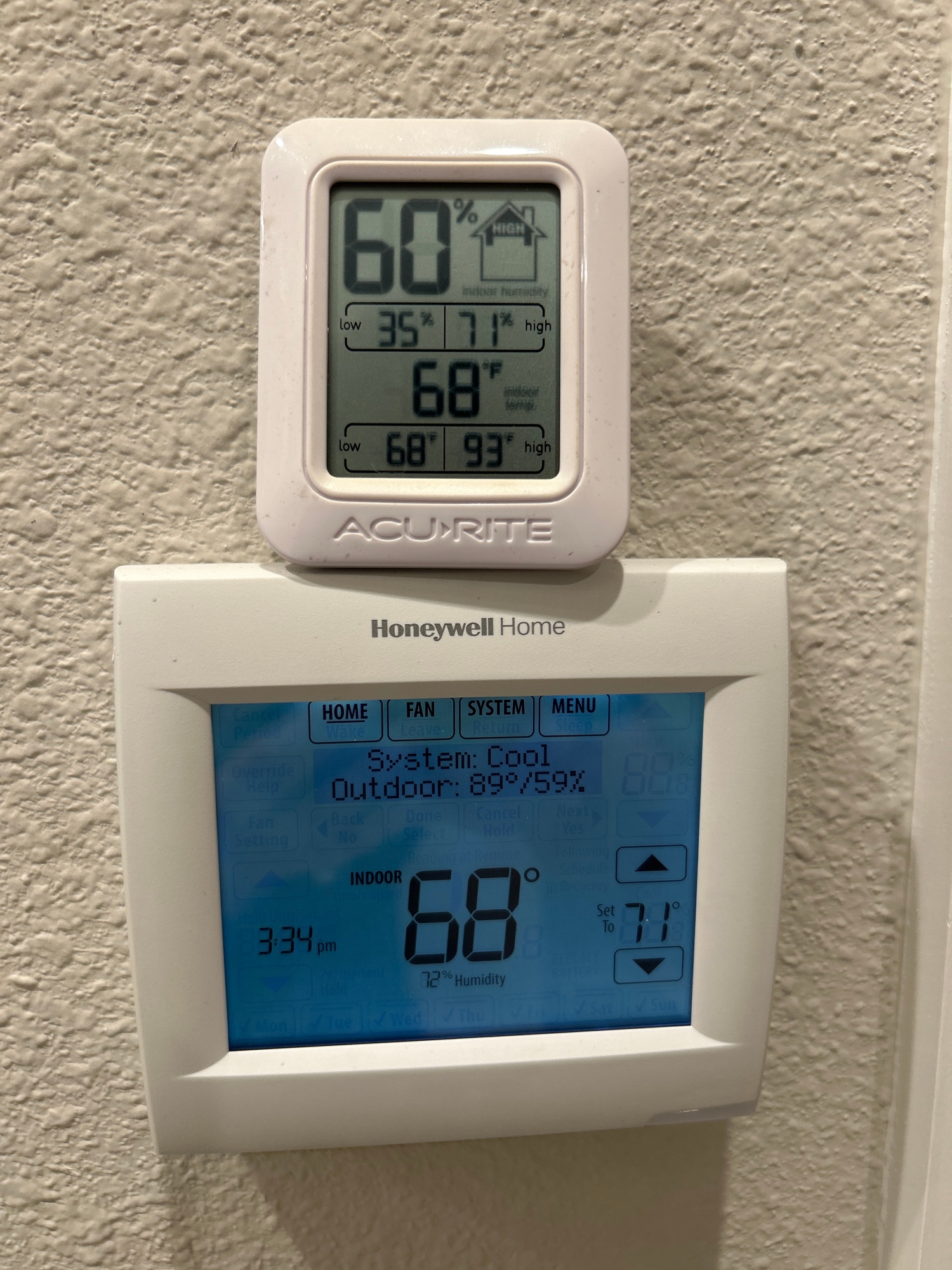
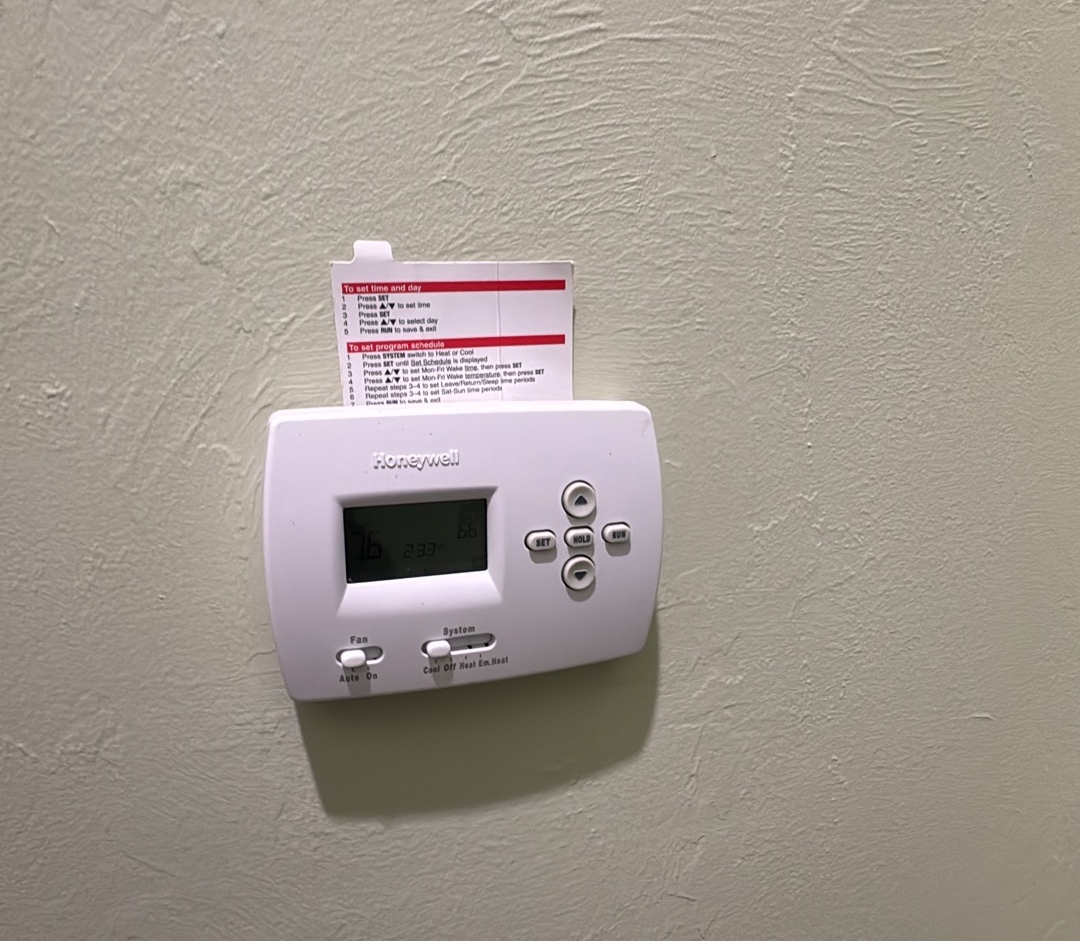
Each zone gets its own thermostat that monitors and adjusts temperature independently. You set different temperatures for different areas based on comfort preferences and occupancy.
Smart thermostats can enhance your zoned system with scheduling features and remote access. You can adjust settings from your phone or program automatic temperature changes throughout the day.
You can save as much as 10% per year on heating and cooling by setting the thermostat back 7°–10°F for 8 hours a day, which supports using schedules in each zone thermostat to limit conditioning in unused areas, per the U.S. Department of Energy.
The thermostats send signals to the control panel when a zone needs heating or cooling. This communication triggers the appropriate dampers to open while keeping others closed.
You maintain complete authority over each zone's climate without affecting other areas. If you want your bedroom at 68°F and your living room at 72°F, the system handles both simultaneously.
Heating and cooling account for about half of a typical home’s energy use, so zoning is most effective when it focuses conditioned air on occupied areas first, according to the U.S. Department of Energy’s Building Science Education resources.
Zoning eliminates the need to condition spaces you're not actively using. You avoid paying to heat or cool empty rooms or areas with minimal occupancy.
Your HVAC system runs more efficiently because it only works on zones that need attention. This targeted approach uses less energy than maintaining one temperature throughout your entire property.
The energy savings become particularly noticeable in larger homes or buildings with varied usage patterns. Businesses can reduce costs by lowering temperatures in unused offices or storage areas during off-hours.
Many property owners see lower utility bills after installing a zoned system. The exact savings depend on your building size, climate, and how you configure your zones.
A zoned HVAC system solves common comfort problems like rooms that are too hot or too cold. You eliminate temperature battles between occupants who prefer different settings.
Multi-story buildings benefit significantly since heat naturally rises and creates temperature differences between floors. Zoning lets you compensate for these variations by adjusting each level independently.
Rooms with large windows or specific sun exposure can have their own zones to address unique heating and cooling challenges. You also account for rooms with heat-generating equipment or appliances.
Everyone in your home or business gets to enjoy their preferred temperature in their own space. This personalized climate control improves satisfaction and productivity without compromise.
Your home might be telling you it's time for a zoning upgrade through several clear indicators. Recognizing these signs early helps you address comfort issues and energy waste before they become major problems.
Walking from one room to another shouldn't feel like moving between different seasons. If your bedroom stays cold while your living room feels like a sauna, your current HVAC system can't distribute air evenly throughout your home.
This problem often shows up in homes with multiple floors, large square footage, or rooms with different sun exposure. Your basement might be freezing while upstairs bedrooms become uncomfortably warm. Older HVAC systems without zoning capabilities heat or cool your entire home to one temperature, which doesn't account for how different areas actually use and retain heat.
A zoning system upgrade solves this by dividing your home into separate zones with independent temperature control. Motorized dampers in your ductwork open and close to direct airflow only where you need it. Each zone gets its own thermostat so you can set different temperatures for different areas.
Your energy bills shouldn't keep climbing when your usage patterns stay the same. If you're paying more each month without running your system more often, your HVAC setup wastes energy by heating or cooling spaces you don't use.
Traditional single-zone systems force you to condition your entire home even when you only occupy a few rooms. You're paying to heat or cool guest bedrooms, storage areas, and other unused spaces throughout the day. This inefficiency adds up quickly on your monthly utility bills.
Zoning upgrades reduce this waste by letting you control exactly which areas receive heating or cooling. You can keep unused zones at minimal settings while maintaining comfort in occupied rooms. Most homeowners see noticeable drops in their energy costs after adding zoning because they're no longer paying to condition empty spaces.
Your HVAC system shouldn't turn on and off constantly throughout the day. This pattern, called short cycling, happens when your thermostat reaches the set temperature too quickly because some areas heat or cool faster than others.
Short cycling puts extra wear on your equipment and reduces its lifespan. The system never runs long enough to reach peak efficiency, which wastes energy with each startup. Your home might feel comfortable in some spots while others never reach the right temperature.
Residential HVAC upgrades that include zoning eliminate this issue by monitoring and controlling different areas separately. Each zone runs only as long as needed to maintain its set temperature. The system stops working harder than necessary to balance out temperature differences it can't actually control.
You should be able to set the temperature you want in the rooms you use most. If family members constantly argue over the thermostat setting or someone always feels uncomfortable, your single-zone system can't meet everyone's needs.
Different people prefer different temperatures, and different rooms serve different purposes. You might want your bedroom cooler for sleeping but your bathroom warmer for morning showers. Home offices need different settings than rarely used formal dining rooms.
Zoning systems give you precise control over each area's temperature. You can customize settings based on who uses each space and when. Multiple thermostats let different household members control their own zones without affecting others.
HVAC systems older than 10-15 years lack the efficiency and features of modern equipment. If your system predates smart home technology and variable-speed capabilities, you're missing out on significant comfort and cost-saving benefits.
Older systems can't support the detailed temperature control that zoning provides. They weren't designed to work with motorized dampers, multiple thermostats, or central control panels. Adding zoning to an outdated system might require updating key components to handle the new technology.
Modern residential HVAC upgrades combine new equipment with zoning capabilities for maximum efficiency. Variable-speed fans and updated controls work with zoning systems to provide precise comfort in each area. This combination delivers better performance than either upgrade would provide alone.
Upgrading your HVAC system with zoning involves evaluating your current setup, planning zone layouts, installing new components, and fine-tuning the system for balanced performance. Each step builds on the last to create independent temperature control throughout your home.
You need to start by checking if your current HVAC system can handle zoning. Your system must have enough capacity to maintain airflow even when some zones close their dampers.
Most systems built in the last 20 years can support zoning. However, older furnaces or air handlers may need a bypass damper to prevent pressure buildup. A technician should measure your ductwork size and check the blower motor capacity.
Look at your home's layout and identify areas with different heating and cooling needs. Multi-story homes often have temperature differences between floors. Rooms with large windows or different sun exposure throughout the day need separate control.
Count how many zones you want to create. Most residential systems work well with 2-4 zones, though larger homes can have more.
The best zone design groups rooms by similar temperature needs and usage patterns. Bedrooms typically form one zone since they need cooler temperatures at night. Living areas and kitchens make another zone because they generate more heat during the day.
Common zoning patterns include:
Each zone needs its own thermostat location. Place thermostats on interior walls away from windows, doors, and heat sources. The thermostat should represent the average temperature of its zone.
Mark where dampers will install in your ductwork. Each zone requires dampers in the supply ducts that feed it. The main trunk line before it splits to different zones is the typical location.
Motorized dampers fit inside your existing ductwork at key branch points. These dampers open and close based on signals from your zone control panel. A technician cuts into the duct, inserts the damper, and seals it properly.
The dampers connect with low-voltage wiring back to a central control panel. This panel mounts near your furnace or air handler. It receives temperature readings from each thermostat and tells the dampers when to open or close.
New thermostats install in each zone. You can choose basic programmable models or smart thermostats with WiFi control. Each thermostat wires back to the control panel using standard thermostat wire.
Key components you need:
Component
Purpose
Quantity
Motorized dampers
Control airflow to each zone
One per zone
Zone control panel
Coordinates all zones
One per system
Thermostats
Monitor and control zone temperature
One per zone
Bypass damper
Prevents pressure buildup
One (if needed)
The zone control panel connects between your thermostats and your furnace or air conditioner. When any zone calls for heating or cooling, the panel turns on your HVAC equipment. It also opens only the dampers for zones that need conditioning.
Your existing HVAC system continues to operate normally. The main difference is that it now receives signals from the zone panel instead of a single thermostat. The panel ensures at least one damper stays open whenever the system runs.
Some systems need a bypass damper installed in the main trunk line. This damper opens when too many zone dampers close, preventing excessive pressure that could damage your equipment. The bypass sends excess air back to the return side of your system.
HVAC performance optimization requires proper communication between all components. The zone panel must match your equipment type, whether you have a gas furnace, heat pump, or air conditioner.
After installation, each zone needs testing to ensure proper airflow. Turn on one zone at a time and check that air flows only to that zone. Dampers should fully open and close without sticking or making noise.
Adjust the damper positions if some rooms get too much or too little airflow. Most dampers have adjustment screws that limit how far they open. This feature helps balance stronger and weaker duct runs within the same zone.
Run your system through several cycles with different zone combinations. Watch for short cycling, where the system turns on and off too quickly. This problem means the bypass damper needs adjustment or more zones need to stay open at once.
Check temperature accuracy in each zone. Place a thermometer in different rooms within a zone to verify even heating or cooling. You may need to adjust thermostat locations or modify which rooms belong to which zone.
Monitor your system for the first few weeks. Make small adjustments to thermostat settings and damper positions as you learn how each zone responds. Most systems need minor tweaks to reach optimal performance.
HVAC zoning system upgrades provide targeted temperature control for different areas of your home while reducing wasted energy and extending equipment life. Professional installation ensures proper system integration and maximizes these benefits.
HVAC zoning gives you the ability to set different temperatures in separate areas of your home. You can keep your bedroom cooler at night while maintaining a warmer temperature in your living room. This eliminates the common problem of some rooms being too hot while others are too cold.
Each zone operates independently with its own thermostat. Your family members can adjust their spaces to match their preferences without affecting other areas. A zoning system uses dampers installed in your ductwork that open and close to direct airflow where you need it.
Professional installers position these dampers correctly to balance airflow throughout your home. They calculate the right size and number of zones based on your home's layout and heating and cooling needs. Poor installation can create pressure imbalances that damage your equipment or reduce comfort.
Zoning systems lower your energy bills by heating or cooling only the spaces you use. Traditional systems waste energy by treating your entire home the same way, even when rooms sit empty. With zoning, you stop paying to condition unused bedrooms, guest rooms, or basements during the day.
Your HVAC equipment runs less frequently because it serves smaller areas at a time. This translates to lower monthly utility costs. Many homeowners see energy savings of 20 to 40 percent after installing a properly configured zoning system.
Key energy savings features:
Professional service ensures your system operates at peak efficiency. Technicians program zone schedules, calibrate dampers, and verify that your existing equipment can handle zoned operation without strain.
Your heating and cooling equipment lasts longer when it works less. Zoning reduces the total hours your system runs each day by targeting specific areas instead of your entire home. Fewer operating hours means less wear on motors, compressors, and other components.
Professional installation protects your equipment from damage that improper zoning can cause. When dampers close off too many zones at once, air pressure builds up in your ductwork. This strain can crack ducts, damage blowers, or cause premature system failure.
Qualified technicians install bypass dampers or zone controls that prevent pressure problems. They match your zoning setup to your equipment's specifications. This careful planning helps your HVAC system reach or exceed its expected lifespan of 15 to 20 years.
Zoning systems improve the air you breathe by allowing better control over ventilation and filtration in different areas. You can direct more conditioned air to rooms that need better air circulation or have specific air quality concerns. Spaces like basements that tend to be damp can receive more airflow to prevent mold growth.
To help prevent mold conditions common in humid climates, keeping indoor humidity below 60% is a practical target that supports zoning strategies that limit overcooling and improve moisture control, per the Florida Department of Health.
Each zone can maintain optimal humidity levels based on its specific needs. Professional installers integrate air purifiers, humidifiers, or dehumidifiers into individual zones. They position return vents and supply registers to maximize air circulation and filtration effectiveness.
Because Florida’s average relative humidity is about 74.5%, zoning upgrades along the Gulf Coast should be configured with humidity management in mind (equipment sizing, run-time strategy, and ventilation/dehumidification), according to UF/IFAS Extension.
Your zoning system can also reduce the spread of airborne particles between rooms. When zones operate independently, air doesn't constantly circulate from one area to another.
Modern zoning systems connect to smart thermostats and home automation platforms. You can adjust temperatures from your phone, set automated schedules, and monitor energy usage for each zone. These controls learn your patterns and make automatic adjustments to optimize comfort and efficiency.
Smart zoning systems detect when rooms are occupied and adjust temperatures accordingly. They can integrate with your home's other smart devices to create coordinated energy-efficient heating and cooling strategies. Some systems link to weather forecasts to precondition your home before temperature changes.
Professional installation ensures your smart controls communicate properly with all system components. Technicians configure network connections, program automation rules, and test sensor accuracy. They train you on using the controls so you get full value from your home comfort solutions. Without proper setup, smart features may not work correctly or could create conflicts that waste energy rather than save it.
Proper maintenance keeps your zoned HVAC system running efficiently and extends its lifespan. Basic upkeep tasks like filter changes and regular inspections prevent costly repairs and ensure each zone maintains comfortable temperatures year-round.
Your zoned HVAC system relies on clean filters to maintain proper airflow throughout each zone. Dirty filters force your system to work harder, which increases energy bills and puts extra strain on equipment.
Check your filters every 30 days. Replace disposable filters when they appear gray or clogged with dust. If you have reusable filters, wash them with water and let them dry completely before reinstalling.
Homes with pets, allergies, or high dust levels need more frequent filter changes. You might need to swap filters every 2-3 weeks instead of monthly. Each zone may have its own filter requirements based on usage patterns and air quality needs.
Mark filter change dates on your calendar or set phone reminders. This simple habit prevents you from forgetting this critical maintenance task.
Professional technicians catch problems before they turn into expensive repairs. Schedule inspections twice per year—once before cooling season and once before heating season.
A trained technician checks dampers, thermostats, and zone controls during these visits. They test airflow in each zone and verify that temperature sensors work correctly. They also inspect ductwork for leaks and examine electrical connections.
Annual inspection checklist includes:
Professional maintenance costs $100-$300 per visit but saves money by preventing breakdowns. Technicians often spot minor issues that you wouldn't notice until they cause system failures.
Each zone's thermostat needs proper settings to work efficiently. Avoid setting extreme temperature differences between zones—keep variations within 5-7 degrees to prevent system strain.
Program your thermostats to match your daily routine. Lower temperatures in unused bedrooms during the day. Reduce heating or cooling in living areas while you sleep. Smart thermostats make these adjustments automatically.
Check thermostat batteries every six months. Dead batteries cause thermostats to lose settings or stop communicating with your system. Keep spare batteries on hand for quick replacements.
Watch for signs of thermostat problems like incorrect temperature readings or zones that don't respond to changes. These issues often indicate sensor problems or wiring faults that need professional attention.
Blocked vents disrupt airflow and create pressure imbalances in your zoned system. Furniture, curtains, rugs, and other objects covering vents force air to redirect, which reduces efficiency and comfort.
Keep at least 12 inches of clear space around each supply and return vent. Move furniture away from vents or use vent extenders to direct airflow into the room. Never close vents completely in unused rooms—this creates back-pressure that damages dampers and ductwork.
Clean vent covers monthly with a vacuum attachment or damp cloth. Dust buildup restricts airflow and circulates allergens through your home. Remove covers twice per year for deeper cleaning with soap and water.
Weak airflow in specific zones signals problems that worsen over time. Common causes include stuck dampers, duct leaks, or failing zone control boards.
Notice which zones have problems and when issues occur. One zone running too hot or cold indicates a damper malfunction. Multiple zones with weak airflow suggest duct problems or blower issues.
Listen for unusual sounds like whistling, banging, or humming from vents or ductwork. These noises point to air pressure problems or loose components. Strange smells from vents indicate mold growth or burnt wiring that needs immediate attention.
Don't ignore comfort problems or assume they'll fix themselves. Contact a technician when you notice persistent temperature differences, unusual sounds, or zones that don't respond to thermostat changes. Quick repairs prevent minor issues from damaging expensive system components.
Gary Air brings the technical skill and customer focus needed to make your zoning system work right from day one. Our team handles every part of the process with attention to your specific comfort needs and budget.
Gary Air employs fully licensed technicians who understand the complexities of modern zoning systems. Our team has years of hands-on experience installing dampers, control panels, and multiple thermostats in homes and businesses of all sizes.
We stay current with the latest zoning technology and installation methods. This means we can work with any HVAC system you already have, whether it's a furnace with AC or a heat pump setup.
Our technicians know how to calculate the right number of zones for your space. They evaluate your ductwork design to determine where dampers should go and how many you need. This expertise prevents common problems like uneven airflow or system strain.
Every building has different heating and cooling challenges. Gary Air starts each project with a thorough assessment of your space, including room layout, sun exposure, and occupancy patterns.
We design zoning systems that match how you actually use your space. If you have a two-story home with bedrooms upstairs that get too warm, we create zones that address that specific issue. For businesses with conference rooms that need quick temperature changes, we set up dedicated zones with responsive controls.
You get to choose how many zones make sense for your needs and budget. We explain the options clearly so you can make an informed decision. Our solutions work with your existing HVAC equipment whenever possible, which saves you money on unnecessary replacements.
Gary Air completes installations on schedule with minimal disruption to your daily routine. Our technicians protect your floors and furniture during work and clean up completely when finished.
We test every component before we leave. This includes checking all dampers, verifying thermostat connections, and running the system through multiple cycles. You receive clear instructions on how to operate your new zoning controls.
If you ever need repairs or adjustments, we respond quickly. Our service team knows exactly how your system was installed because we keep detailed records of every job.
Gary Air configures your zoning system to reduce energy waste. By heating or cooling only the areas you're using, your system runs less often and uses less power. Most customers see lower utility bills within the first month.
We calibrate each zone for consistent comfort. You won't deal with hot spots or cold drafts anymore. Each room maintains the temperature you want.
Proper zoning also improves air quality. When your HVAC system cycles less frequently, it has more time to filter air effectively. We can integrate air purifiers or humidifiers into specific zones based on your needs.
HVAC zoning systems give you better control over your home's temperature in different areas. You can set each zone to match how you use that space, which means you won't waste energy heating or cooling rooms you're not using.
The upfront cost of a zoning system might seem high. But you'll save money on your energy bills over time. Many utility companies offer rebates for these upgrades, which helps reduce your initial investment.
Your system will need regular maintenance to keep working well. Schedule inspections and fix any problems quickly to maintain efficiency.
A zoning upgrade works best when a professional handles the installation. They'll make sure each zone has the right dampers and sensors. This ensures accurate temperature control in every area of your home.
Zoning systems fit well in homes where different family members prefer different temperatures. They're also useful in multi-story houses or homes with rooms that get a lot of sun. You'll notice the difference in both comfort and your utility bills within the first few months.
Schedule an in-home zoning consultation with Gary Air to evaluate your ductwork, equipment capacity, and control options and provide a clear upgrade plan and estimate.






.avif)

