


Learn the key questions to ask before hiring an HVAC company in Florida to avoid poor service, hidden costs, and unreliable repairs.
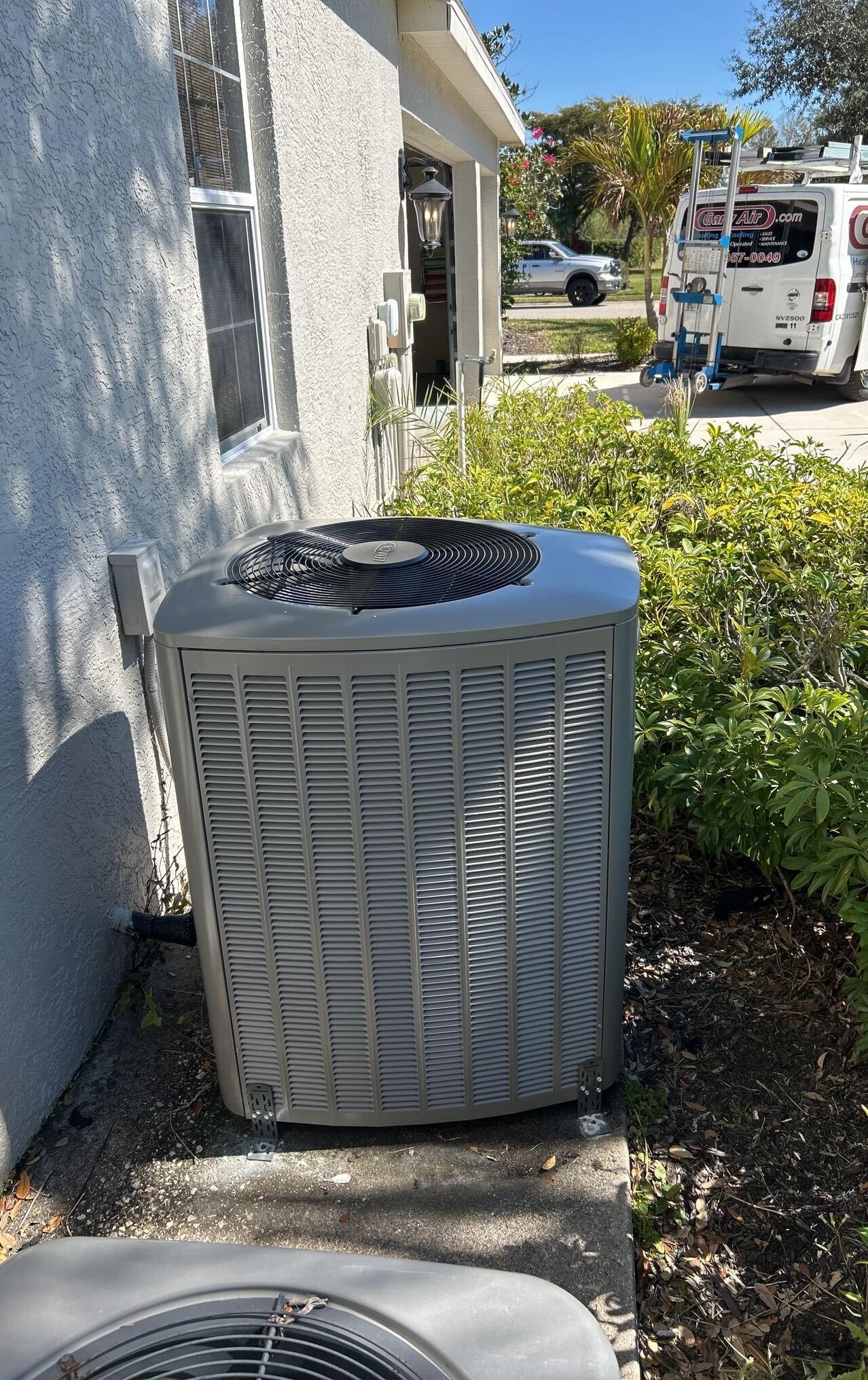
Picking the right HVAC company in Sarasota Springs can save you from costly mistakes and uncomfortable situations. A poor choice might lead to higher energy bills, rushed repairs, or unnecessary system replacements. The good news is that asking a few key questions upfront helps you find a reliable contractor who will treat your home and budget with respect.
Before hiring an HVAC company, you need to verify their licensing, understand their pricing structure, and evaluate their technical skills to avoid overpaying or getting low-quality work.
Florida requires specific licensing for HVAC contractors, and companies without proper credentials put your safety and warranty at risk. You also want to know whether they'll push for expensive replacements when simple repairs would work.
This guide walks you through the essential questions that separate trustworthy HVAC professionals from sales-focused technicians. You'll learn how to spot red flags, compare costs fairly, and make confident decisions about repairs versus replacements.
The questions you ask before choosing an HVAC company in Sarasota Springs determine whether you end up with a technician who diagnoses the actual problem or one who steers you toward the most expensive option. Getting this right starts with the questions most homeowners never think to ask until it's too late.
In this article, you will learn about:
Keep reading to learn how to vet an HVAC company before they set foot in your home, so you spend your money on real solutions instead of sales pitches.
A technician's background and training directly affect the quality of service you receive. Verify their hands-on experience, training focus, equipment knowledge, and proper credentials before signing any service agreement.
Ask how long the company's technicians have worked in HVAC service. Companies with technicians who have five or more years of experience typically handle complex repairs more efficiently than those with newer staff.
Find out if the technicians you'll work with have experience specific to Florida's climate conditions. High humidity and constant cooling demands create unique challenges that require specialized knowledge. Salt air corrosion, drain line buildup, and capacitor failure all happen faster in Sarasota than in most markets, and a technician who has only worked in drier climates may not catch the early signs.
Companies with high technician turnover may indicate training issues or poor working conditions. Stable teams usually mean better service consistency and more reliable repairs. Ask if the same technician will handle your maintenance visits over time, which helps them understand your system's history.
Determine whether technicians receive ongoing training in diagnostic skills or primarily sales techniques. Quality HVAC companies invest in technical education rather than commission-based sales training.
Ask about their diagnostic process when they arrive at your home. Skilled technicians should explain how they identify problems through systematic testing and measurements. A proper diagnostic sequence starts with airflow and electrical checks before moving to refrigerant, because addressing those in the wrong order leads to misdiagnosis and wasted money.
Be cautious of companies that push equipment replacement before thoroughly diagnosing repair options. Request details about their continuing education programs and manufacturer training certifications. Technicians should stay current with new refrigerants, efficiency standards, and equipment technologies that affect Florida homeowners.
Verify that technicians can work on your specific equipment brand and model. Some companies limit their service to certain manufacturers, which can create problems if you have a different system.
Ask these specific questions:
Companies serving the Sarasota Springs area should handle popular brands found in Florida homes. They should work with various system types including central air, ductless mini-splits, and package units. Broad experience means faster repairs and fewer callbacks.
Request copies of current Florida contractor licenses before any work begins. HVAC contractors in Florida must hold either a certified or registered contractor license through the Department of Business and Professional Regulation. The ENERGY STAR contractor hiring guide recommends studying your state's license and insurance requirements before calling any contractor, and verifying references from past customers before committing to a provider.
You can verify any contractor's active license status, check for complaints, and confirm insurance coverage through the state's online search portal. Unlicensed technicians create liability risks for your property. Insurance protects you if accidents or damages occur during service calls. Ask for the license number upfront and confirm it before scheduling the visit.
Quick repairs depend on whether a company stocks the right parts, manages time well, handles missing components, and responds to urgent calls outside normal hours. These factors determine if you'll get cool air today or wait days in Florida's heat.
HVAC company stocked vans make the difference between a quick fix and multiple visits. Ask what parts the company keeps in their trucks for common repairs. Most Florida homes need capacitors, contactors, and refrigerant on hand since these fail often in hot weather.
Find out if technicians carry parts specific to your system's brand and age. A van with generic supplies won't help if you own a specialty unit. Companies serving Sarasota should stock parts for the area's most common residential brands.
Check if the company updates van inventory based on seasonal needs. Summer requires different supplies than winter in Florida. Technicians should restock frequently to avoid running out of high-demand items during peak breakdown seasons.
Service companies schedule visits differently based on repair complexity. Standard calls usually get 60 to 90 minutes for diagnosis and basic fixes. More involved repairs may need two to three hours or require a second appointment.
Ask how the company handles scheduling when a repair takes longer than expected. Some push your appointment back while others send additional technicians. This affects whether you get same-day service or wait until tomorrow.
Find out if diagnostic time counts separately from repair time. Companies that split these may need two visits even for simple problems. The best providers diagnose and fix issues in one trip when possible, which is one reason some repairs still require a second visit even from a well-prepared company, and it helps to understand when that's legitimate.
No company stocks every part despite good preparation. Ask what happens when technicians need something not in their van. Some companies keep local warehouses that deliver parts within hours. Others order from suppliers and reschedule days later.
Request information about their parts network and typical delivery times. Companies with strong supplier relationships get hard-to-find components faster than others. This matters for older systems or uncommon brands.
Check if they offer temporary solutions while waiting for parts. A good company might provide portable cooling or prioritize your follow-up visit instead of putting you at the back of the queue.
HVAC emergencies don't follow business hours in Florida's climate. Ask if the company offers true 24/7 service or just an answering machine after 5 PM. Some Sarasota providers dispatch technicians any time while others only take calls and schedule next-day visits.
Find out response times for after-hours emergencies. Quality companies aim for one to two hours during nights and weekends. They should have on-call technicians ready to leave immediately, not staff who need to drive in from far away.
Check if emergency rates differ from regular pricing. Most companies charge premium fees for off-hours work, but costs should stay reasonable. Ask about overtime charges, trip fees, and minimum service costs before you need urgent help at midnight.
Understanding exactly what you'll pay and why helps you avoid HVAC scams and make informed decisions. A trustworthy HVAC company provides clear breakdowns of all costs before starting any work. The Federal Trade Commission advises homeowners to get written estimates, verify licensing and insurance, and avoid paying in cash or by wire transfer before work is complete.
Most HVAC companies charge a diagnostic fee to identify your system's problem. Ask if the company credits this fee toward repairs if you choose to move forward with their service. Many reputable companies apply the full diagnostic cost to your repair bill. Some waive the fee entirely when you proceed with recommended work.
You should also ask what happens if you decide not to use their services after the diagnosis. Companies that keep the diagnostic fee regardless are common, but you deserve to know this upfront.
Request an itemized quote that separates labor charges from parts and materials. This breakdown shows you exactly where your money goes.
Labor costs should include the hourly rate and estimated time for completion. Parts pricing should list specific components with model numbers when possible. Consumables include items like refrigerant, filters, or sealants used during service.
Key cost categories to review:
Watch for quotes that lump everything into one total price. This approach makes it impossible to compare offers from different contractors or verify fair pricing. When you have a realistic sense of AC repair pricing in Florida, inflated line items are much easier to catch.
HVAC emergencies don't always happen during business hours. Find out what the company charges for nights, weekends, and holidays before you need urgent help.
Emergency rates typically run 1.5 to 2 times higher than standard pricing. Some companies charge flat emergency fees while others use multipliers on their regular hourly rates.
Ask if the company offers any coverage plans that reduce or eliminate emergency surcharges. Many HVAC companies provide maintenance memberships that include priority scheduling and discounted after-hours rates.
A quality HVAC company gives you choices rather than pushing a single expensive solution. Ask how the company presents repair options when multiple approaches exist.
The contractor should explain different repair paths with honest pros and cons for each. This includes options at various price points when available.
Be cautious of companies that only present the most expensive option or pressure you toward full system replacement when repairs remain viable. You should receive written estimates for each option with clear explanations of what each includes.
Ask if their technicians work on commission or receive bonuses for selling specific products. Commission-based pay structures can create pressure to oversell services you don't need.
A trustworthy HVAC company should explain their reasoning clearly when they suggest fixing your current system or installing a new one. Their recommendation needs to account for Florida's coastal climate, your unit's condition, and the true long-term costs you'll face.
One common approach is to multiply your system's age by the repair cost. If the result approaches or exceeds the cost of a new system, replacement usually makes more financial sense. A company should walk you through this calculation and explain how it applies to your specific situation.
Your HVAC contractor should also consider energy efficiency improvements. The U.S. Department of Energy identifies space heating, space cooling, and water heating as some of the largest energy expenses in any home, which means the efficiency gap between your current unit and a modern replacement has a real dollar impact over Florida's long cooling season.
Ask the company how they evaluate system age, repair frequency, and declining performance. They should review your service history and explain whether repeated repairs indicate deeper problems that will continue draining your budget. A clear framework for repair versus replace decisions built around warranty status and cumulative repair cost takes the guesswork out of this conversation.
Your warranty coverage changes the math on repair versus replacement decisions. If your system is still under manufacturer warranty, many repair costs drop significantly because parts are covered.
Most HVAC manufacturers offer 10-year parts warranties, though labor isn't included. An honest company will check your warranty status before recommending expensive repairs or replacement. They should tell you exactly what's covered and what you'll pay out of pocket.
Extended warranties and service agreements can also affect recommendations. If you have coverage that includes labor, repair becomes more attractive even for older systems. Ask the company to verify your warranty details and show you the documentation before moving forward with their suggestion.
Sarasota Springs' proximity to the coast means salt air accelerates metal corrosion in HVAC systems. Your outdoor condenser unit faces constant exposure to moisture and salt particles that eat away at coils, fins, and connections.
A qualified HVAC company should inspect for coastal corrosion damage during every service call. Look for technicians who check the condenser coils, copper lines, and cabinet for pitting, flaking, or greenish buildup. These signs indicate your system is degrading faster than units installed inland.
Coastal systems typically last 10 to 12 years instead of the 15 to 20 years you might get in drier climates. If your unit shows significant corrosion, repair costs often exceed the system's remaining useful life. The company should photograph problem areas and explain how salt damage affects your specific equipment.
When a company recommends major repairs, ask about their warranty on the work performed. Reputable contractors stand behind their repairs with labor warranties of at least one year.
If they suggest replacement, find out what guarantees come with the installation. You need written commitments covering installation quality, proper sizing, ductwork modifications, and system performance. The company should specify exactly what happens if the new system doesn't cool properly or develops problems from poor installation.
Get everything in writing before agreeing to either repair or replacement. The proposal should list what's covered, for how long, and who pays if additional work becomes necessary. Companies confident in their recommendations and workmanship won't hesitate to put these guarantees on paper.
The questions you ask before choosing an HVAC company matter more than the company's advertising, because any provider can promise fast service and fair prices until the technician is standing in your living room with a clipboard.
What separates a trustworthy company from a sales operation shows up in the details: whether technicians are trained in diagnostics or commissions, whether the van is stocked for common Florida failures or half-empty, whether the estimate separates parts from labor or hides everything in a lump sum, and whether the recommendation accounts for your warranty status and your system's actual condition or just defaults to the most expensive option.
Florida's licensing requirements exist for a reason, and verifying a contractor's credentials through the state takes less than five minutes. Beyond that, the biggest red flags are pricing structures that punish you for getting a second opinion, diagnostic fees that only disappear when you approve expensive work, and technicians who skip the diagnostic sequence entirely and jump straight to replacement.
A company that explains its process, documents its findings, presents multiple options, and puts its labor warranty in writing is telling you it plans to be around when the phone rings six months from now.
When you want that kind of company, Gary Air sends the right technician with the experience, the parts, and the time to diagnose your system honestly and explain what it actually needs. As a family-owned, veteran-owned, locally owned company that stands behind its work, Gary Air does not pay technicians on commission, does not push replacements over repairs, and does not disappear after the invoice clears. Reach out and ask the questions this article covers. The answers will tell you everything you need to know.






.avif)

