


Learn how long an AC typically lasts in Florida, what causes premature wear, and the maintenance practices that can help extend its lifespan.
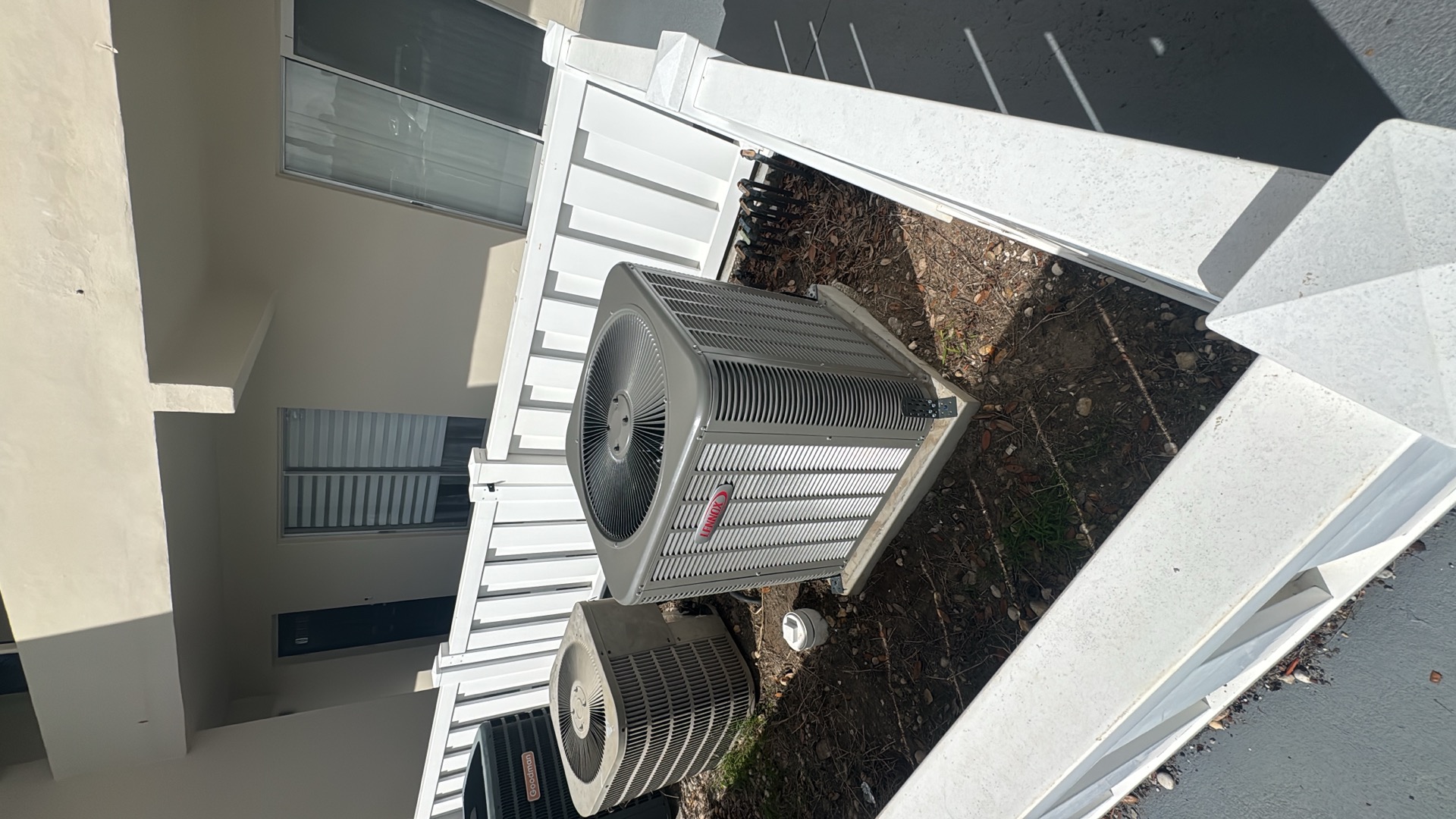
Living in Sarasota Springs means relying on your air conditioner nearly every day of the year. The heat and humidity put serious demands on cooling systems. You probably want to know how much time you have before facing a costly replacement.
Most AC units in Sarasota Springs last between 8 and 14 years, which is shorter than the national average of 15 to 20 years. The constant use and coastal environment take a toll on these systems. Several factors unique to this area can make your unit wear out faster or help it reach the upper end of that range.
Understanding what affects your AC's lifespan helps you plan for the future and avoid unexpected breakdowns. You can also take steps to extend how long your system runs efficiently. This guide covers what determines how long your unit will last and when it makes sense to replace it rather than keep repairing it.
How long an AC should last in Sarasota Springs depends less on the calendar and more on what your system has been through. Understanding why AC equipment breaks down faster here than in most of the country is the first step toward getting the most out of the one you have.
In this article, you will learn about:
Keep reading to learn what actually determines your system's remaining life and how to make a smarter decision when the next repair estimate lands on your kitchen table.
AC units in Sarasota Springs typically last 8 to 12 years, which is shorter than the national average due to constant operation and environmental stress. Your system's actual lifespan depends heavily on how many hours it runs and the harsh coastal conditions specific to this area.
Your AC's lifespan should be measured in runtime hours rather than just years. A unit in Sarasota Springs runs almost continuously from March through October, accumulating far more operating hours than systems in other parts of the country.
Most residential AC systems are designed for roughly 15,000 to 20,000 total runtime hours. In Sarasota Springs, your unit might run 3,000 to 4,000 hours per year compared to just 1,000 to 2,000 hours in northern states.
This means a 10-year-old AC in your area has the same wear and tear as a 20-year-old unit in a cooler climate. The compressor and fan motors experience more cycles and strain from constant use.
Sarasota Springs humidity levels stay between 70 and 90 percent year-round. This constant moisture creates extra work for your AC system beyond just cooling the air.
Your unit must remove moisture from the air while cooling it. This dual function means your system runs longer cycles and works harder than units in dry climates.
High humidity also promotes organic growth inside your air handler and ductwork. These buildups restrict airflow and force your system to work harder to maintain comfortable temperatures. The extra strain on motors and components shortens your unit's service life compared to drier regions.
Salt air poses serious threats to AC systems in Sarasota Springs, especially if you live within 5 miles of the coast. The salt particles corrode metal components including coils, fins, and electrical connections.
Your outdoor condenser unit faces constant exposure to salty moisture that eats away at protective coatings. The aluminum fins on your condenser coils can deteriorate within 5 to 7 years without proper maintenance and regular coil cleaning.
Corroded coils lose their ability to transfer heat efficiently. This forces your compressor to work harder and run longer to achieve the same cooling effect. Units near the water often fail several years earlier than those located inland.
AC systems in northern states typically last 15 to 20 years because they operate only 3 to 4 months per year. These units accumulate fewer runtime hours and experience less wear on critical components.
The cooler temperatures and lower humidity in northern regions also reduce strain on the system. Units don't need to work as hard to achieve comfortable indoor temperatures.
Your Sarasota Springs AC runs nearly three times as many hours annually as a northern unit. This explains why your system reaches end-of-life conditions much sooner despite being the same model and age.
Sarasota Springs homeowners face three main threats that cut AC lifespan short: salt air eating through metal parts, constant moisture overwhelming drain systems, and humid air forcing motors to work harder than they should.
Salt particles from ocean air settle on your outdoor unit's aluminum fins and copper coils. These particles pull moisture from the air and create a corrosive salt-water solution that eats through protective coatings within months.
The condenser coil develops pinhole leaks first, usually along the bottom rows where salt spray accumulates. Refrigerant slowly escapes through these tiny holes, reducing cooling power before you notice anything wrong.
Fan motors and electrical connections also corrode faster in coastal areas. The metal housing around motors pits and flakes, allowing moisture to reach internal bearings. Electrical terminals develop green or white corrosion that increases resistance and causes overheating.
Standard AC units near the coast fail years earlier than the same models installed just 10 miles inland. A unit rated for 15 years might only survive 8 to 10 years without coastal-rated coatings.
Your AC pulls gallons of water from Sarasota's humid air every day during peak summer months. This constant flow creates perfect conditions for organic growth and biofilm inside drain lines.
The primary drain line clogs when organic material builds up at bends or connections. Water backs up into the drain pan, and if the safety float switch fails, water damages your ceiling or walls.
Common drain system problems:
Regular humidity means your system never gets a break from condensate production. Units in drier climates might rest during low-humidity days, but Sarasota AC systems produce moisture year-round.
Coastal moisture makes dust and debris stick to air filters and coils more aggressively. A slightly dirty filter becomes completely blocked within weeks instead of months.
Blocked airflow forces the blower motor to work harder, drawing more electricity and generating excess heat. Motors rated for long service in normal conditions burn out much sooner when constantly strained.
The evaporator coil freezes when airflow drops below required levels. Ice buildup blocks even more air, creating a cycle that damages the compressor through liquid refrigerant flooding. Understanding what happens with a frozen AC unit and acting quickly can prevent the kind of compressor damage that ends a system's useful life.
Salt residue on outdoor coil fins restricts heat transfer. Your system runs longer cycles to achieve the same cooling, adding extra hours of daily runtime compared to clean coils.
Circuit boards and control modules fail faster in humid coastal environments. Moisture penetrates sealed control boxes through cable entry points and mounting holes.
Capacitors deteriorate when exposed to humidity cycles. The paper and electrolyte inside these components break down, causing hard-start conditions or complete motor failure.
Wire connections develop corrosion at crimp points and terminal blocks. Corroded connections create electrical resistance that generates heat, melting wire insulation and causing short circuits.
Thermostat wiring experiences voltage drops from corroded connections. Your AC receives weak signals or intermittent commands, leading to short cycling and compressor damage.
Regular maintenance directly affects how many years you get from your AC system in Sarasota Springs. Keeping coils clean, drain lines clear, electrical components fresh, and scheduling professional visits twice a year can add several years to your unit's operational life.
Your evaporator and condenser coils collect dirt and debris that block airflow and force your system to work harder. In Sarasota Springs, salt air and pollen coat these coils faster than in other regions.
A dirty evaporator coil reduces cooling efficiency significantly. This makes your compressor run longer to reach the same temperature, which wears out the motor and other parts.
You should have your coils professionally cleaned every six months. Between professional visits, keep the outdoor unit free of leaves, grass clippings, and other debris within a two-foot radius.
Clean or replace your air filter every 30 to 60 days during peak cooling months. A clogged filter restricts airflow to the evaporator coil, causing ice buildup and potential compressor damage.
Your AC removes gallons of moisture from indoor air each day. This water exits through a condensate drain line that easily clogs with organic growth and sediment in Florida's humid climate.
A blocked drain line causes water to back up into your home or shut down your system through safety switches. Standing water in the drain pan also creates organic growth and unpleasant odors.
Drain line maintenance tasks:
Ignoring drain line maintenance leads to water damage and unnecessary service calls. Most drain line clogs are preventable with simple monthly attention.
Electrical failures account for a large share of AC breakdowns in Sarasota Springs. Capacitors, contactors, and wiring degrade faster in hot attic installations and salty coastal air.
Capacitors typically last a few years but may fail sooner in extreme heat. These components start your compressor and fan motors. When they weaken, motors strain and overheat.
Watch for these warning signs between professional visits: clicking sounds when the unit starts, the outdoor fan running slowly, or the compressor not starting. These symptoms often indicate capacitor problems.
Corroded electrical connections cause arcing and motor failure. A technician should inspect and tighten all electrical connections during each service visit. This simple check prevents expensive emergency repairs.
Professional technicians catch small problems before they become major failures. Scheduling service twice per year gives you the best protection in Florida's demanding climate. The U.S. Department of Energy emphasizes that proper sizing and regular professional service are critical to both performance and longevity, and that an oversized unit won't adequately remove humidity while an undersized unit won't cool effectively on the hottest days, both of which shorten equipment life.
Spring and fall are ideal times for professional maintenance in Sarasota Springs. A spring visit prepares your system for summer's heavy workload. A fall checkup addresses any damage from the intense summer months.
Each service visit should include refrigerant level checks, thermostat calibration, electrical testing, and airflow measurements. Technicians also spot issues you can't see, like refrigerant leaks or duct problems.
Systems with biannual professional maintenance last significantly longer than neglected units. The service cost is small compared to premature replacement expenses.
Sometimes fixing an older AC system costs more money and causes more problems than installing a new unit. Certain situations make replacement the smarter financial choice, especially when repair bills pile up or your system has reached the end of its useful life.
A common approach is to multiply the cost of the repair by your AC unit's age in years. If that number exceeds the price of a new system, replacement makes more financial sense. Understanding the repair versus replace decision in detail helps you avoid sinking money into a system that is past the point of return.
Another method compares single repair costs to new system prices. When any repair costs more than half of a new AC unit's price, you should consider replacement.
You can also add up all repair costs from the past two years, then multiply that total by your system's age. When this number equals or exceeds the cost of a new unit, replacement saves you money long-term.
Refrigerant leaks create a cycle of expensive repairs. Your system needs proper refrigerant levels to cool your home effectively.
Older units develop multiple leak points over time. Fixing one leak doesn't prevent others from appearing soon after. This pattern leads to service calls every few months, with costs adding up quickly.
Older refrigerants like R-22 are no longer manufactured or imported. The U.S. Environmental Protection Agency completed its phaseout of new R-22 production and import as of 2020, so the only supply left comes from recycled or stockpiled quantities, which makes servicing an R-22 system increasingly expensive. If your unit still uses R-22 and develops leaks, you face both high refrigerant costs and limited future availability. A new unit with modern refrigerant costs less to maintain and complies with current regulations.
Sarasota Springs' coastal environment accelerates corrosion on AC components. Salt air, humidity, and constant use damage coils, connections, and housing over time. Corroded parts become brittle and unreliable.
Technicians struggle to repair heavily corroded units because nearby components often fail during the repair process. Removing one corroded part can damage connected pieces, turning a simple fix into multiple repairs.
Finding replacement parts for units older than 10 to 12 years becomes difficult. Manufacturers discontinue parts for older models, forcing you to use refurbished or generic alternatives that may not last as long. Parts scarcity increases repair costs and wait times.
Your warranty status affects repair costs significantly. Most AC units come with a 10-year parts warranty and a 1-year labor warranty. After these expire, you pay full price for all repairs.
New systems include manufacturer warranties that cover expensive component failures. A warranty prevents surprise expenses during the first decade of ownership. ENERGY STAR recommends considering replacement once a heat pump or air conditioner is more than 10 years old, noting that a properly installed high-efficiency unit can save up to 20 percent on heating and cooling costs.
Some warranties become void if you delay maintenance or use unauthorized repair services. Check your warranty terms before deciding on repairs. Knowing the right questions to ask an HVAC company helps you compare options honestly rather than getting steered into a decision that benefits the company more than it benefits you.
How long your AC lasts in Sarasota Springs comes down to three things: how many hours it runs, how much salt and humidity it absorbs, and how consistently it gets maintained. A unit here accumulates in 10 years what a northern system sees in 20, and the coastal environment chews through coils, capacitors, and drain lines faster than most homeowners expect.
None of that means your system is doomed to a short life. It means the margin between 8 years and 14 years is almost entirely in your hands, and it starts with biannual professional service, monthly filter swaps, and keeping the drain line clear.
When repair bills start stacking up, the math matters more than sentiment. Multiplying the repair cost by the unit's age, comparing it against what a new system would run, and factoring in whether your unit still uses phased-out R-22 refrigerant are all practical ways to know when the next repair is not worth it.
A system that needs a major fix every few months past the 10-year mark is telling you something, and ignoring it just moves the replacement cost to an emergency timeline with fewer options.
When you want a straight answer on whether your system has years left or whether it is time to start planning, Gary Air will send the right technician to inspect what you have and tell you exactly where it stands.
As a family-owned, veteran-owned, locally owned company that stands behind its work, Gary Air does not push replacements you don't need and does not hide problems to sell another repair. Reach out and get a clear picture of your system's condition before the next summer puts it to the test again.




.avif)

