


Learn what causes a musty smell from your vents in Sarasota Springs, where moisture hides inside your HVAC system, and when to call a professional.
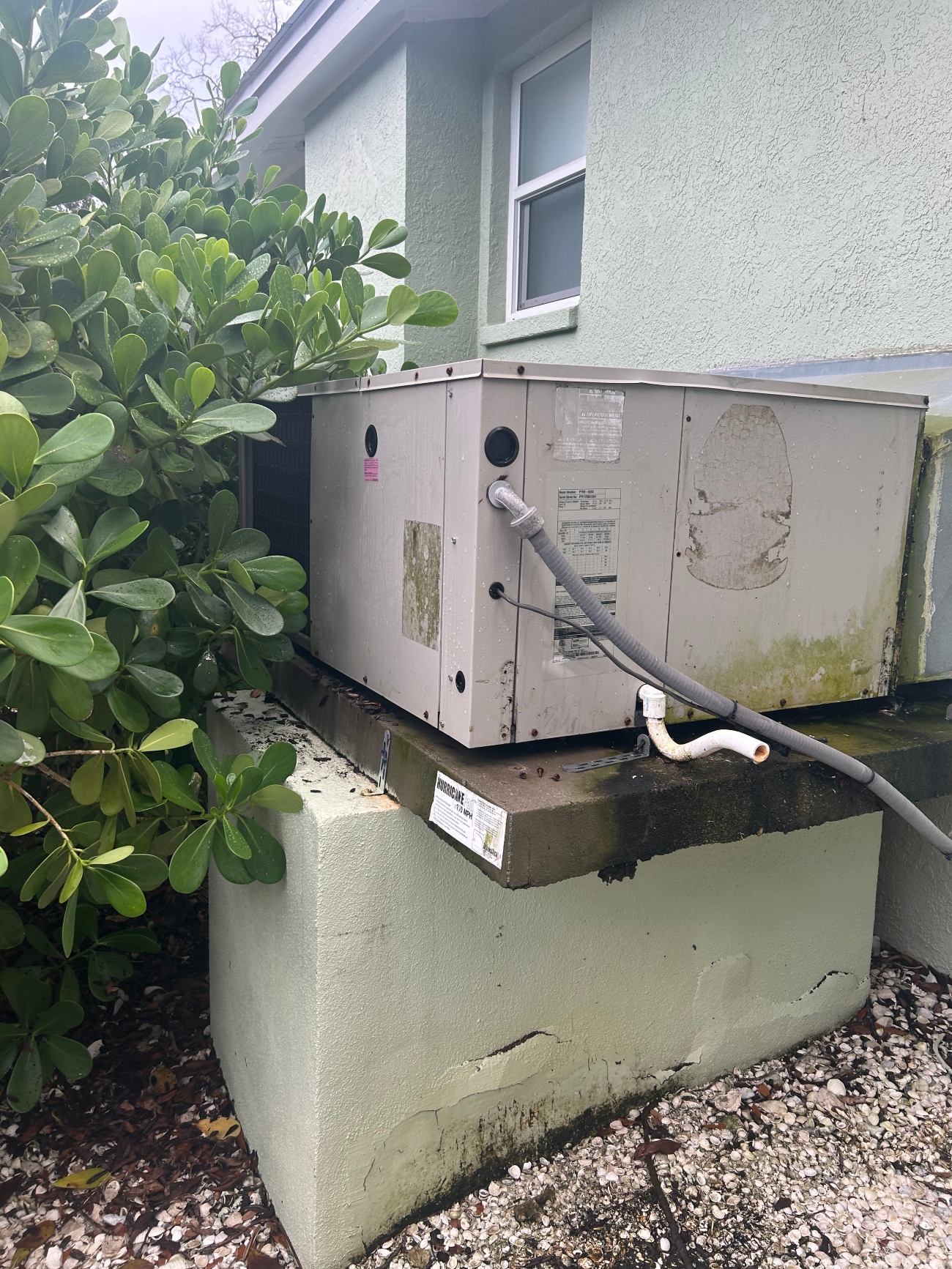
A musty smell coming from your vents in Sarasota Springs usually means moisture or organic growth has built up somewhere in your HVAC system. This is common in Florida's warm, humid climate where air conditioning systems run most of the year. The odor you notice isn't just unpleasant. It can point to problems that affect your indoor air quality and your family's comfort.
The musty odor from your vents typically comes from organic growth or bacteria thriving in your ductwork, drain pan, or evaporator coil due to trapped moisture. Your HVAC system naturally creates condensation as it cools your home, and when that moisture doesn't drain properly or humidity gets too high, it creates the perfect place for these organisms to grow.
Understanding what causes these smells and knowing when to call a professional can help you keep your indoor air quality healthy. There are some simple checks you can do yourself, but some situations need expert diagnosis and treatment to fully solve the problem.
A musty smell from vents in Sarasota Springs is one of the clearest signs that moisture is sitting somewhere it shouldn't inside your system. This guide walks through every place that moisture hides, what you can safely check yourself, and what needs a technician who knows how to improve indoor air quality without cutting corners.
In this article, you will learn about:
Keep reading to learn what is actually causing the smell, what you should leave alone, and how to get your system back to circulating clean air.
Musty smells from vents usually stem from moisture that gets trapped inside your HVAC system, where Florida's heat and humidity create ideal conditions for organic growth and bacterial buildup. These odors develop in specific components where water collects or condensation builds up over time.
Florida's humidity levels regularly exceed 70 percent, which means your air conditioning system works constantly to remove moisture from indoor air. When warm, humid air passes through cold evaporator coils, condensation forms naturally. This moisture doesn't always drain away completely.
Dust and organic particles in your home's air mix with this moisture and stick to coil surfaces, duct walls, and cabinet interiors. The combination creates a film that traps water and provides nutrients for biological growth. Your HVAC system becomes a breeding ground because it offers darkness, moisture, and food sources all in one place.
The problem gets worse during Florida's rainy season from June through September. Your system runs longer cycles and processes even more humid air, which increases condensation throughout the entire unit.
Your AC's condensate drain line carries water away from the drip pan beneath the evaporator coil. This line typically removes several gallons of water every day in Florida homes. The drain pan and line stay damp most of the time, creating perfect conditions for slime and biofilm growth. The EPA advises that HVAC drip pans should be kept clean, flowing properly, and unobstructed, and that systems should be inspected regularly, because contamination in a ventilation system can spread throughout the building.
When an AC drain line clogs, water backs up into the pan and sits there. The standing water develops a musty smell within a day or two. Bacteria and organic growth thrive in this warm, stagnant environment.
Even a partial clog slows drainage enough to leave moisture behind. The drain pan may look empty, but a thin layer of water remains and never fully evaporates. Over time, this layer develops odors that get pulled into your air stream whenever the blower runs.
Your evaporator coil sits in a metal cabinet that's designed to be airtight. Condensation that forms on the coil should drip directly into the pan below. However, water droplets sometimes get blown off the coil by air movement and land on cabinet walls or insulation.
The cabinet's interior rarely dries out completely because your system cycles on and off throughout the day. Each cooling cycle adds new moisture before the previous cycle's condensation fully evaporates. Dark corners and insulated sections stay damp for days or weeks.
Metal surfaces may rust slightly, while insulation materials absorb and hold moisture. Both conditions create musty odors that intensify over time. The smell gets distributed throughout your home every time your blower fan circulates air through the contaminated cabinet.
You might not notice musty smells during mild weather when your AC runs intermittently. The odor becomes obvious during hot spells when your system operates continuously for hours. Heavy use pushes more air through contaminated components, which releases accumulated odors into your living space.
Extended run times also generate more condensation, which reactivates dried biological colonies. What seemed dormant suddenly becomes active and produces stronger smells. Your first indication of a problem often comes during the hottest weeks of summer when system demand peaks.
Morning startups can trigger especially strong odors because moisture settles overnight in drain pans and on coils. The first few minutes of operation blow this concentrated smell through your vents before normal airflow dilutes it.
HVAC professionals use specific language when discussing musty smells to stay within their scope of work and protect homeowners from liability issues. Understanding why technicians say "organic growth" instead of a more specific term helps you know when basic cleaning is enough and when you need specialized testing.
HVAC technicians cannot legally identify specific biological contaminants in most states without proper certification. Only licensed assessors and industrial hygienists can collect samples and confirm what type of organism is growing in your system.
If a technician makes a specific diagnosis without testing, they're operating outside their license. This puts both you and the company at legal risk. Insurance claims often require lab-confirmed results from a certified professional, not a visual guess from an HVAC worker.
The liability extends beyond just legal issues. If a company misidentifies the problem, you might pay for unnecessary remediation or miss a more serious issue entirely.
Most HVAC companies in Florida use "organic growth" or "biological growth" to describe what they see in your system. This term covers every type of biological contamination without making a specific claim.
The phrase keeps technicians within their legal boundaries while still acknowledging the problem. When your service provider mentions organic growth, they're telling you there's a moisture issue causing something to grow in your ductwork or equipment.
This terminology doesn't mean the problem is less serious. It simply means the technician is being professionally responsible about what they can and cannot diagnose.
Your HVAC technician can clean visible growth from accessible parts of your system. This includes evaporator coils, condensate drain pans, and the first few feet of ductwork near the air handler.
They can also check and fix moisture problems that allow growth to happen. Common fixes include:
After cleaning, technicians can verify the system runs properly and moisture drains correctly. They cannot confirm the growth is completely gone or tell you what type of organism was present.
Call a specialist if the musty smell returns quickly after HVAC cleaning. Recurring odors suggest growth in hidden areas that basic service cannot reach.
You should also get professional testing if anyone in your home has respiratory issues, allergies, or immune system problems. The EPA recommends having your ducts cleaned when they are visibly contaminated with substantial biological growth, infested with pests, or clogged with heavy deposits of dust or debris, and notes that a substance that looks like contamination requires expert analysis for final confirmation. If your situation meets any of those thresholds, a licensed specialist's report tells you what you're dealing with and whether you need remediation beyond standard HVAC cleaning.
Before calling a professional, you can perform several basic checks that help identify the source of musty odors and provide useful information to technicians. These inspections focus on visible signs of moisture, system performance patterns, airflow changes, and safety precautions that protect your HVAC equipment.
Your AC system produces condensation that drains through a dedicated line, usually made of PVC pipe. Check where this drain line exits your home, typically near the outdoor unit or through an exterior wall. If you see standing water, buildup, or wet spots around the drain opening, the line may be partially clogged.
Look for the emergency overflow pan under your indoor air handler if you can access it safely. Water sitting in this pan means the primary drain is blocked and moisture is accumulating where it shouldn't. This trapped water creates the perfect environment for organic growth.
A clogged drain line forces water back into your system or causes it to overflow into areas around your air handler. You might notice water stains on walls or ceilings near your HVAC equipment. These are clear signs that moisture is escaping the drainage system and potentially feeding growth in your ducts or air handler cabinet.
Write down how often your AC runs throughout the day and how long each cycle lasts. A system that runs constantly without reaching the set temperature may have reduced airflow from dirty coils or blocked ducts. Short cycles that turn on and off every few minutes can indicate frozen coils, which often accompany musty smells.
Check if the musty odor appears at specific times of day or only when the system first starts. Smells that are strongest during startup often point to contamination on the evaporator coil. Odors that persist throughout operation may indicate problems deeper in the ductwork.
Note your current thermostat setting and compare it to the actual room temperature. A difference of more than three degrees suggests your system isn't performing efficiently, which can be related to the same moisture and airflow problems causing odors.
Stand in front of each supply vent in your home and feel the air coming out. Weak airflow from some vents but strong flow from others suggests blockages or leaks in specific duct branches. Musty smells combined with weak airflow often mean organic growth or debris is restricting air circulation.
Check your air filter and note when it was last changed. A filter clogged with dust and debris reduces airflow across the evaporator coil, causing it to get too cold and develop excessive condensation. This excess moisture leads to organic growth and musty odors.
Pay attention to whether rooms feel more humid than usual. Your AC should remove humidity as it cools, so increased humidity levels mean the system isn't dehumidifying properly. This often happens when airflow problems prevent the evaporator coil from staying cold enough to pull moisture from the air.
Never pour bleach or household cleaners into your drain line, vents, or air handler without professional guidance. These chemicals can damage drain pans, corrode metal components, and create harmful fumes that circulate through your home. What seems like a simple fix can lead to expensive repairs.
Avoid using air fresheners, deodorizing sprays, or scented products near return vents or inside ductwork. These products mask odors temporarily but don't address the underlying moisture problem. Some sprays leave residue that accumulates on coils and reduces system efficiency.
Don't attempt to clean evaporator coils yourself or reach into ductwork to remove visible growth. Disturbing biological contamination without proper containment spreads it throughout your home and can cause health problems. Professional equipment and techniques are necessary to safely remove contamination without making the problem worse.
Professional HVAC maintenance tackles the root causes of musty smells by cleaning critical components, removing moisture buildup, and checking electrical systems for problems that contribute to poor air quality. Regular service prevents organic growth and keeps your system running efficiently in high-humidity environments.
Your AC drain line removes moisture that your system pulls from the air. In Sarasota Springs, high humidity means your system produces more condensation than in drier climates. The EPA stresses that it is important to control unintended moisture in indoor spaces and to fix water and moisture problems promptly, ideally drying wet materials within 24 to 48 hours to prevent biological growth from taking hold.
When drain lines get clogged with organic material or debris, water backs up into the drain pan. This standing water creates the perfect breeding ground for bacteria and biological contamination. The musty smell travels through your ductwork every time your system runs.
Professional technicians flush your drain lines with specialized cleaning solutions. They also check the drain pan for cracks or damage that might trap water. Many professionals install preventive tablets in the drain line to slow future buildup between maintenance visits.
Your evaporator coils collect dust, pollen, and other particles from the air. These coils also stay cold and wet when your AC runs, which attracts more debris.
Dirty coils restrict airflow and reduce your system's ability to remove moisture from your home. The extra moisture on contaminated coils encourages organic growth. This combination produces strong musty odors that spread through your vents.
Professional coil cleaning removes buildup that you can't reach with basic filters. Technicians use special brushes and cleaning agents designed for delicate coil fins. Clean coils improve your system's efficiency and eliminate the damp surfaces where odor-causing organisms thrive.
Moisture from high humidity can affect electrical connections in your HVAC system. Corroded wires or connections may cause components to malfunction or cycle improperly.
When your blower motor or fan doesn't run correctly, air circulation decreases throughout your system. Poor airflow leaves more moisture sitting in ducts and on components. This creates conditions where organic growth accelerates and smells become stronger.
Technicians inspect electrical components for signs of moisture damage, corrosion, or loose connections. They test motor function and replace worn parts before they fail completely. These checks prevent problems that indirectly cause odor issues.
Your AC system runs nearly year-round in Sarasota Springs. Continuous operation in humid conditions means faster buildup of contaminants and more opportunities for moisture problems.
Spring and fall maintenance appointments keep your system clean during peak usage periods. Technicians address small issues before they develop into major odor sources. Regular filter changes, drain line flushes, and coil cleanings maintain proper moisture removal.
Preventive maintenance costs less than emergency repairs when contamination spreads through your ductwork. A thorough duct cleaning is part of a long-term indoor air quality strategy, but routine system service is what keeps the problem from reaching that point in the first place.
A musty smell from your vents is your system telling you that moisture is sitting somewhere it shouldn't, and in Sarasota Springs that somewhere is almost always the drain pan, the evaporator coil, or the first stretch of ductwork where condensation and organic material have had months of heat and humidity to accumulate.
It is not a cosmetic problem you can mask with a spray. The smell is a symptom of a moisture condition that, left alone, gets worse and spreads further into the system every time the blower runs.
Some of it you can check yourself. Looking at the drain line exit for standing water, pulling the filter to see if it is blocked, and noting when the odor is strongest all give a technician useful information before they even open the unit.
What you should not do is pour chemicals into the system, try to scrub the coil, or disturb visible contamination without containment. These are the kinds of well-intentioned steps that turn a contained problem into one that circulates through every room.
When you want the source found and cleaned properly, Gary Air sends the right technician with the tools and the time to flush drain lines, clean coils, and inspect the ductwork for moisture damage, not just mask the smell.
As a family-owned, veteran-owned, locally owned company, Gary Air gives you a straight answer on what is causing the odor, what it takes to fix it, and how to keep it from coming back. Reach out and get your indoor air back to where it should be before the problem gets any deeper into the system.






.avif)

