


Wondering what a smart thermostat costs to install in Sarasota, Bradenton, or Parrish? Here's a realistic price range and what actually affects it.
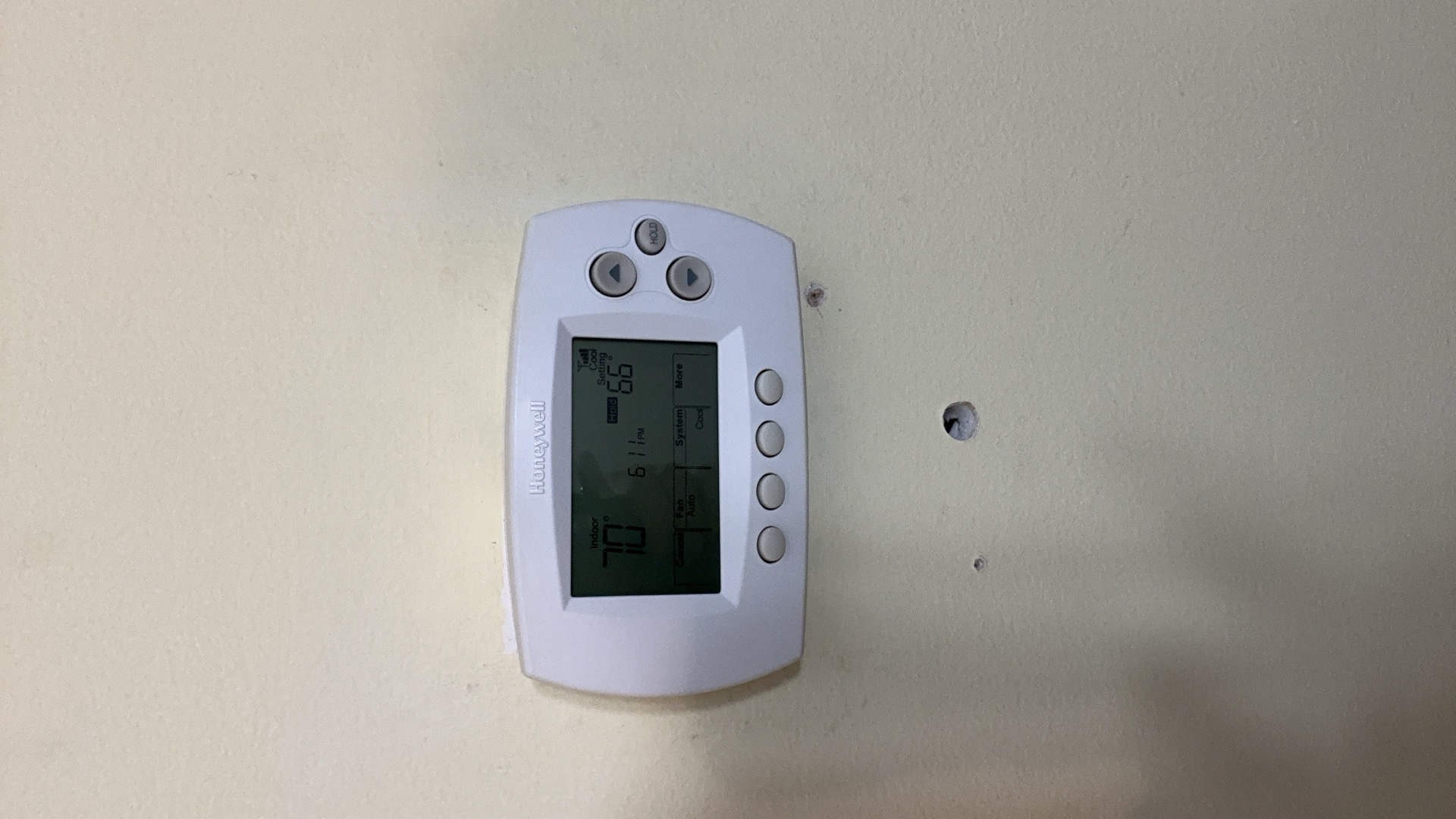
A smart thermostat is one of the smaller purchases you can make for your HVAC system, but the price range you find online rarely matches what you actually end up paying. Some articles quote $70. Others quote $800. Neither number tells you much about your own home without knowing what is actually driving the cost.
This matters more in Sarasota, Bradenton, and Parrish than it might elsewhere, since Florida's climate means your thermostat is doing real work almost year round rather than sitting idle for half the year. A unit that saves a modest amount per month in a mild climate can add up faster here simply because the system runs so much more often.
This article breaks down what a realistic installation actually costs in this area, what changes the price up or down, and whether the energy savings justify the upgrade for your specific situation.
In this article, you will learn about:
Keep reading so you walk into a quote already knowing what a fair price looks like.
The unit itself and the labor to install it are two separate costs, and both vary more than most homeowners expect. Getting a realistic number means understanding what you are actually paying for in each category.
Smart thermostats range from budget models around $100 up to premium units with room sensors and advanced scheduling closer to $300. The differences between tiers usually come down to features like remote room sensors, air quality monitoring, and how well the unit learns your household's patterns over time.
A budget model still connects to WiFi and lets you control the system remotely, which covers the core benefit most homeowners actually want. The premium tiers add convenience and finer control, but the underlying energy savings do not scale dramatically with price.
A few features typically separate the budget tier from the premium tier:
Homeowners already weighing heat pump repair costs elsewhere in the system sometimes find a modest thermostat upgrade is a smaller decision by comparison.
Installation labor typically runs somewhere between $75 and $200 depending on how straightforward your wiring is. A straightforward swap, where a compatible wire is already in place, takes a technician well under an hour.
Older Sarasota-area homes sometimes lack a dedicated wire needed to power a smart thermostat continuously, which adds time and occasionally a small parts cost to the job. A few things that typically extend the visit and the price:
Plenty of smart thermostats are marketed as a simple do-it-yourself project, and for a straightforward single-zone system with compatible wiring already present, that is often true. The risk shows up when a homeowner discovers mid-installation that the wiring does not match, or that the system uses a configuration the unit was not designed for.
An improperly wired thermostat can damage the unit itself or, in rarer cases, damage components of the HVAC system it connects to. If wiring problems go unnoticed, the same symptoms that call for thermostat repair later on often trace back to a rushed DIY install. Weighing a modest labor cost against the risk of a mistake is worth doing honestly before deciding to install it yourself.
Two homes in the same neighborhood can end up with noticeably different quotes for what looks like the identical job. A handful of specific factors explain most of that gap.
Not every HVAC system works with every smart thermostat out of the box. Heat pumps, dual fuel systems, and older systems using unusual wiring configurations sometimes need a specific thermostat model or an added component to work correctly.
A few system types tend to raise compatibility questions more often than a standard single-stage AC setup:
Confirming compatibility before purchasing the unit saves a return trip and a second labor charge. This is one of the more common reasons a homeowner ends up paying more than expected, not because the installation itself was complicated, but because the wrong unit was purchased first. A heat pump inspection beforehand can catch compatibility questions the thermostat purchase alone would not reveal.
Homes with multiple zones need a thermostat for each one, which multiplies both the equipment and labor cost in a straightforward way. A home considering HVAC zoning upgrades at the same time as a thermostat swap should plan for both costs together, since they often get addressed in the same visit. Larger homes across Parrish and parts of Bradenton, in particular, often have multi-zone systems given the newer construction common in those areas.
A single-zone home in an older Sarasota neighborhood typically sees the lowest total cost on this list, simply because there is only one unit to purchase and install. A few zone configurations worth knowing before requesting a quote:
The age of your home's wiring behind the thermostat is one of the biggest hidden cost factors. A missing common wire, sometimes called a C-wire, is the most frequent issue technicians run into on older systems.
Some smart thermostats include a workaround for a missing C-wire, while others require one to be run, which adds both time and a small materials cost. Confirming this detail during the initial estimate, rather than discovering it once the technician arrives, keeps the quoted price closer to the final bill.
The honest answer to whether a smart thermostat pays for itself depends heavily on how your current system is being used. A household that already adjusts the thermostat consistently will see less benefit than one that has been running the same setting around the clock for years.
According to ENERGY STAR, the average household with a certified smart thermostat saves approximately 8 percent on heating and cooling costs, amounting to roughly $50 a year.
That figure holds up independently in Florida specifically, where Florida Power & Light tested both simple and advanced smart thermostats in real South Florida homes and measured average savings of about 450 kilowatt-hours a year, also landing close to $50.
That consistency between two separate sources is worth noting, since marketing materials from thermostat manufacturers sometimes cite much higher figures. A $50 annual savings on a $250 to $400 total installation means payback typically takes several years, not the single season some advertising implies.
Florida runs air conditioning nearly year round rather than seasonally, which changes the math in a meaningful way. More total runtime hours mean more opportunities for a smart thermostat's scheduling and setback features to actually make a difference, compared to a climate where the system only runs a few months a year.
The U.S. Department of Energy estimates that a household can save as much as 10 percent annually by adjusting the temperature 7 to 10 degrees for at least eight hours a day, which is the underlying mechanism a smart thermostat automates through scheduling rather than relying on someone remembering to adjust it manually.
This does not necessarily mean Florida homeowners save dramatically more in dollar terms, since the FPL test already reflects real South Florida conditions. What it does mean is that the savings accumulate more steadily throughout the year rather than concentrating into a short cooling season.
Some Florida utilities offer a rebate specifically for smart thermostat purchases, which shortens the payback period when available. Confirming your specific utility's current program before purchasing, rather than assuming a rebate applies, avoids planning around savings that may not materialize.
Stacking a modest rebate with the ongoing energy savings improves the math meaningfully over the life of the thermostat. A few questions worth asking before you buy, if a rebate is part of your decision:
Not every smart thermostat fits every home equally well, and the right choice depends more on your system type and household habits than on which brand has the most features.
A single-stage AC system has different requirements than a variable-speed system or a heat pump with backup strip heat. Choosing a thermostat built for your specific system type avoids compatibility headaches and ensures the unit actually delivers the scheduling and setback features it advertises.
This is worth confirming with whoever installs the unit rather than relying solely on packaging claims, since compatibility language on retail boxes is not always specific enough to catch every edge case. A properly matched thermostat also tends to integrate more smoothly with WiFi-enabled remote monitoring, which is often the feature homeowners actually use daily. Homes with older or leaky ductwork sometimes see less benefit from a smart thermostat's scheduling features until a ductwork inspection addresses the underlying airflow issue first.
Remote room sensors genuinely help in homes with uneven temperatures between rooms, since they let the thermostat account for conditions beyond just where the unit itself is mounted. Homes with persistent hot or cold spots sometimes need airflow balancing addressed directly rather than relying on a sensor to compensate for an underlying duct problem.
Advanced learning algorithms, on the other hand, provide real value mainly for households with irregular schedules, and less benefit for a household that already keeps a consistent routine.
Buying the most expensive unit available does not guarantee the most savings if the household's actual usage pattern does not take advantage of the features that justify the higher price. Keeping up with basic upkeep, like regular filter changes, matters more to overall system performance than which thermostat tier sits on the wall.
Every factor covered in this article, zone count, wiring condition, system compatibility, and rebate eligibility, means a generic online price range will rarely match what your specific Sarasota, Bradenton, or Parrish home actually costs. The only reliable way to know is getting an in-person look at your current setup.
That assessment also catches issues an online quote calculator cannot, like a wiring problem or a system compatibility question that only becomes clear once someone is standing in front of your equipment.
Anyone also planning a broader upgrade can ask about bundling it with a full AC installation if the timing lines up. Starting there, rather than assuming a number from a national average article applies directly to your home, keeps expectations realistic from the first conversation.
A smart thermostat installation in Sarasota, Bradenton, or Parrish typically lands somewhere in the range most national cost guides describe, but your specific total depends heavily on your home's wiring, zone count, and system type rather than any single average number. The energy savings are real but modest, closer to $50 a year than the dramatic figures sometimes seen in marketing materials.
None of that makes the upgrade a bad decision. Remote access, more consistent scheduling, and the ability to catch a problem while you are away all add real value beyond the raw dollar savings, especially in a climate where your system runs nearly every month of the year.
If you want an accurate number for your specific home rather than a generic range, Gary Air can look at your current system and give you a real quote rather than an estimate pulled from a national average.
Curious what a smart thermostat would actually cost for your Sarasota, Bradenton, or Parrish home? Contact Gary Air for an honest quote based on your system.






.avif)

