


Your AC runs but your Sarasota Springs home still feels sticky. Learn the common causes of poor humidity removal in Florida and what actually fixes it.
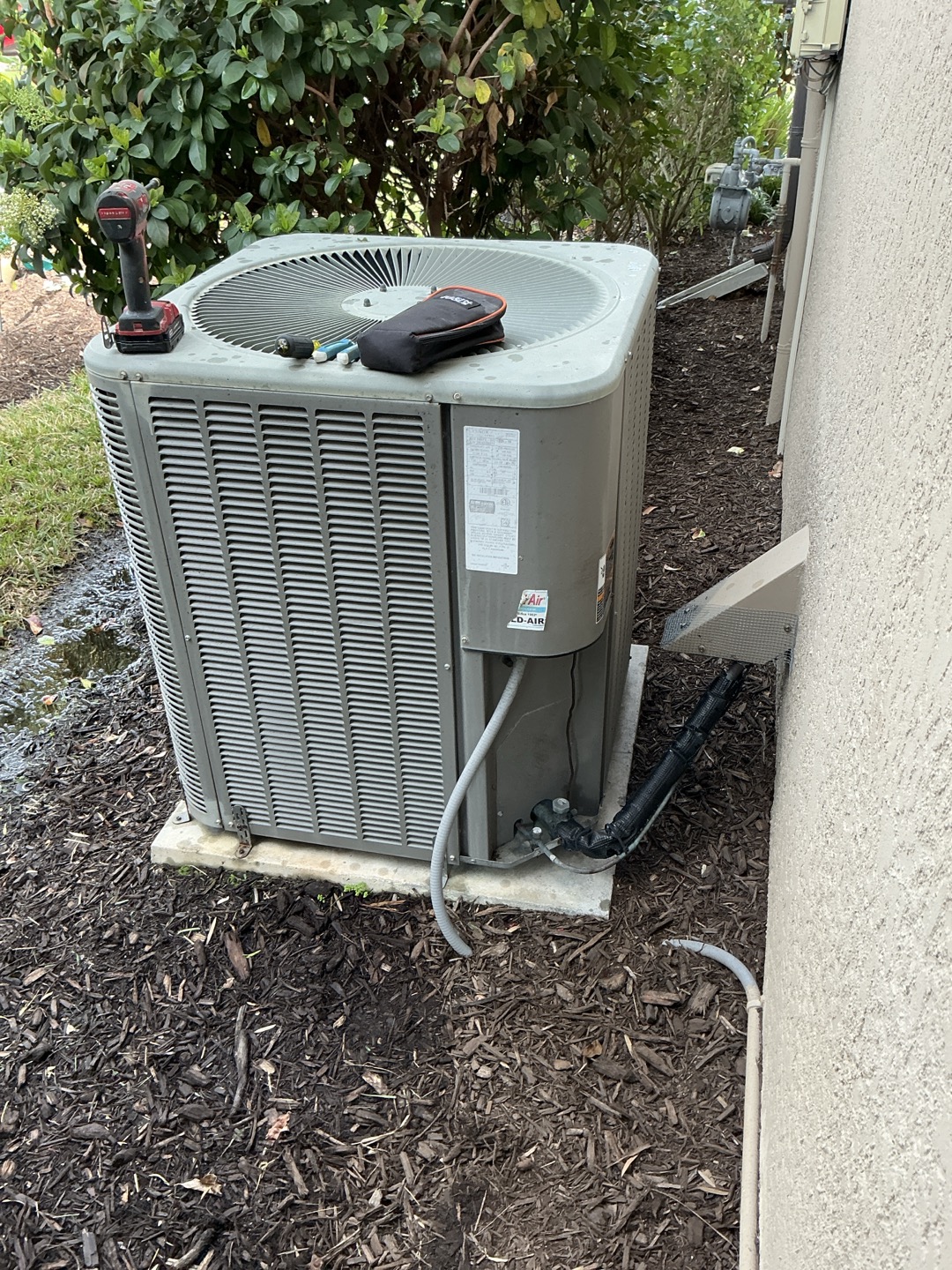
Your air conditioner might be cooling your Sarasota Springs home, but if the air still feels sticky and uncomfortable, something is wrong. When your AC runs but doesn't lower humidity levels, the problem usually comes from incorrect system sizing, dirty coils, low refrigerant, or thermostat settings that prevent proper moisture removal. This issue is especially common in Florida's coastal climate where humidity stays high year-round.
Living with high indoor humidity creates more than just discomfort. You might notice condensation on windows, musty smells, or a clammy feeling even when the temperature seems fine. These signs mean your air conditioning system isn't doing its full job of controlling moisture in your home.
The good news is that most humidity problems have clear causes and practical solutions. Understanding what normal humidity should be, knowing what drives moisture levels up in coastal homes, and learning basic troubleshooting steps will help you fix the problem or know when to call a professional.
When your AC is not removing humidity in Sarasota Springs, the cause is almost always something you can identify before a technician arrives. Staying ahead of it usually comes down to consistent AC maintenance, which keeps the parts responsible for moisture removal working the way they should.
In this article, you will learn about:
Keep reading to learn how to tell the difference between a quick fix you can handle yourself and a problem that needs a technician, so you stop guessing and start feeling comfortable again.
Air conditioners remove moisture from indoor air as part of their normal cooling process, but several factors can prevent this dehumidification from working properly. When outdoor humidity is extremely high or internal system components are compromised, your home can feel sticky and uncomfortable even while the AC runs continuously.
The U.S. Environmental Protection Agency recommends keeping indoor relative humidity below 60 percent, ideally between 30 and 50 percent, and notes that levels above 60 percent create conditions where organic growth can take hold on surfaces with dust or debris, according to the EPA. That range is also where most homes feel comfortable, which is why a sticky 75 degree room is a sign your system is falling short.
Your air conditioner cools air by passing it over cold evaporator coils filled with refrigerant. As warm, moist air contacts these cold coils, water vapor condenses into liquid and drains away from your home. This process naturally lowers both temperature and humidity.
However, you might notice your house feels humid even though the AC is running and reaching the set temperature. This happens when the system cools air quickly but doesn't run long enough to remove moisture. Short cycling prevents adequate contact time between humid air and the cold coils.
The AC needs sufficient runtime to extract moisture effectively. If your system reaches the thermostat setting too fast, it shuts off before completing proper dehumidification. Your home ends up at the right temperature but with uncomfortably high moisture levels.
Florida's outdoor humidity regularly exceeds 70 percent during summer months. This extreme moisture level creates constant pressure on your indoor environment. Every time a door opens or air leaks through gaps, humid outdoor air enters your home.
Your AC must work harder to compensate for this continuous moisture infiltration. Even a properly functioning system has limits to how much humidity it can remove when outdoor levels are extremely high. The baseline indoor humidity naturally rises as a result.
In Sarasota Springs and surrounding areas, outdoor humidity often reaches 80 to 90 percent during peak season. Your AC may struggle to maintain indoor humidity below 60 percent under these conditions. This explains why your home feels muggy despite the system running constantly.
Restricted airflow prevents your AC from moving enough air across the evaporator coils. Dirty air filters are the most common cause, blocking air passage and reducing system efficiency. When airflow decreases, less humid air contacts the cold coils where moisture condenses.
Blocked return vents or closed registers in multiple rooms create similar problems. Your system needs unrestricted air circulation to function properly. Even partially blocked vents reduce the volume of air being dehumidified.
Undersized or damaged ductwork also limits airflow throughout your home. Leaky ducts allow conditioned air to escape into attics or crawl spaces before reaching living areas. This wastes your system's dehumidification efforts and allows humidity to build up in occupied spaces.
Dirt, dust, and organic growth accumulate on a dirty evaporator coil over time. This layer of buildup acts as insulation, preventing efficient heat and moisture transfer. The coils can't get cold enough to condense water vapor from passing air.
Frozen coils indicate a serious problem with refrigerant levels or airflow. Ice formation prevents any moisture removal since humid air can't contact the refrigerant-cooled surface. Your system may still blow air, but it won't dehumidify effectively.
Regular coil cleaning maintains the surface contact needed for proper condensation. Professional maintenance includes cleaning both evaporator and condenser coils. This service restores your system's ability to remove moisture while cooling your home.
Low refrigerant levels reduce your AC's cooling capacity and its ability to maintain cold coil temperatures. The system may still lower air temperature somewhat, but inadequate refrigerant prevents proper moisture condensation. You'll notice humidity problems before temperature issues become obvious.
An oversized AC unit cools your home too quickly, creating the short cycling problem mentioned earlier. The system satisfies the thermostat before removing sufficient moisture. This is why bigger isn't always better when selecting air conditioning equipment.
Incorrect thermostat settings can also contribute to humidity discomfort. The auto fan setting allows the fan to cycle with the compressor, giving condensed moisture time to drain. Running the fan continuously re-evaporates collected moisture back into your home.
Several mechanical and design factors can prevent your AC from removing moisture properly. These issues range from dirty components that restrict cooling capacity to sizing problems that affect how long your system runs.
Your evaporator coil must stay clean to pull moisture from the air. When dust and debris coat the coil surface, it can't get cold enough to condense water vapor effectively. This buildup acts like insulation that blocks heat transfer.
Dirty air filters create similar problems. A clogged filter forces your system to work harder while moving less air across the coil. This reduces contact time between warm indoor air and the cold coil surface where moisture should condense.
Common airflow restrictions include:
Your AC needs proper airflow to remove humidity. Knowing the signs your filter needs replacement is one of the simplest ways to keep air moving across the coil. When air moves too slowly, the system might cool your home but leave moisture behind.
Your AC pulls moisture from the air and sends it down a drain line. When this drainage system fails, water backs up into your home or evaporates back into your living space. A clogged condensate drain can't remove the water your system collects.
The drain pan sits under your evaporator coil to catch condensation. Cracks or rust holes in this pan let water leak into walls or ceilings instead of flowing outside. Slime and buildup grow in standing water and block the drain line over time.
Your condensate pump must work correctly if your system sits below the drain outlet. A broken pump lets water pool in the pan where it can evaporate back into your ductwork. Watching for a blocked condensate line prevents these moisture problems from affecting your indoor comfort.
Leaky ductwork in your attic or crawlspace pulls in hot, humid outdoor air before it reaches your living space. Even small gaps can introduce significant moisture that your AC must then remove. According to ENERGY STAR, a typical home loses about 20 to 30 percent of the air moving through its duct system to leaks, holes, and poor connections, which is moisture and conditioned air your system was never sized to give up.
Air leaks work both ways. Conditioned air that escapes through duct gaps never makes it to your rooms. This creates pressure imbalances that pull unconditioned air inside through gaps around windows and doors.
Duct problems that increase humidity:
Your rooms need balanced airflow to maintain comfort. A professional ductwork inspection finds these gaps before they drive your humidity up. When some areas get too much air and others get too little, humid spots develop in underserved spaces.
An oversized AC cools your home too quickly without running long enough to remove moisture. Your system needs runtime to pull humidity from the air. Short cycles that satisfy the thermostat in 10 minutes don't give the coil enough time to condense water vapor. The U.S. Department of Energy points to oversized equipment as a common reason a home feels damp even when the temperature is cool, because the unit cycles off before it dehumidifies properly, and notes that in extremely humid climates even correctly sized equipment can struggle.
Your AC should run for 15 to 20 minutes per cycle during normal weather. This allows the coil to get cold and stay cold while humid air passes over it repeatedly. A properly sized system maintains both temperature and moisture control.
Undersized systems create different problems. Your AC runs constantly trying to reach the set temperature but never builds up enough cooling capacity. The coil might not get cold enough to condense moisture effectively during peak heat.
Before calling for service, you can check several key indicators that will help identify why your AC isn't managing humidity properly. These simple observations can speed up repairs and help technicians bring the right tools.
Your thermostat's fan setting plays a major role in humidity control. When set to ON, the fan runs continuously, even when the compressor isn't cooling. This constant airflow blows moisture off the cold evaporator coil before it can drain away, redistributing it back into your home.
The AUTO setting allows proper dehumidification. When the fan only runs during cooling cycles, moisture stays on the coil long enough to drip into the drain pan and exit your home.
Check your temperature setting as well. If you set the thermostat too low, the system may short-cycle. Short cycles mean the compressor shuts off before completing a full cooling cycle, which doesn't give enough time for moisture removal.
Recommended settings for Sarasota Springs humidity:
Weak airflow prevents your AC from removing humidity effectively. You can spot these problems without any special tools.
Hold your hand near each supply vent in your home. The airflow should feel strong and consistent. Weak or uneven airflow from different vents indicates a blockage or system problem.
Check these common airflow issues:
Listen for changes in system sounds. A weak or whistling sound at vents often points to an air circulating issue. Your indoor unit should produce steady, consistent noise when running.
The condensate drain line carries moisture away from your AC. When this line fails, your system can't remove humidity no matter how well it cools.
Look for standing water in the drain pan under your indoor unit. Any visible water means the drain line isn't flowing properly. You may also notice a musty smell near the indoor unit, which signals trapped moisture.
Outside warning signs include:
Check the small PVC pipe exiting your home. During normal operation in Sarasota Springs humidity, you should see steady dripping when the AC runs for 15 to 20 minutes.
Specific details about your comfort problems help dispatch send a technician with the right expertise and equipment. This saves time and ensures faster resolution.
Describe exactly what you feel. Note if the air feels cold but clammy, or if certain rooms feel worse than others. Track when the humidity problem is most noticeable, whether morning, afternoon, or evening.
Important details to share:
Tell dispatch if you've already changed the filter or checked basic settings. This information helps them determine if you need a technician who specializes in refrigerant, airflow, or drain systems.
HVAC technicians use specific diagnostic sequences and maintenance protocols to restore proper dehumidification in coastal climates. These methods prioritize airflow verification and component condition over quick fixes that might miss underlying causes.
Your evaporator coil needs adequate contact time with warm air to condense moisture effectively. When dust, pollen, or salt residue coat the coil fins, air rushes past without sufficient heat exchange. This reduces both cooling capacity and moisture removal by 20 to 30 percent.
Technicians measure static pressure across the coil and at supply registers to confirm proper CFM delivery. They compare these readings against manufacturer specifications for your unit size. A 3-ton system typically requires 1,200 CFM, but blocked coils or dirty filters can drop this to 800 to 900 CFM.
Refrigerant levels only matter after airflow is confirmed. Adding refrigerant to a system with restricted airflow creates new problems, including frozen coils and compressor damage. Professional cleaning involves chemical treatments that dissolve salt and organic buildup without damaging aluminum fins.
Your blower motor must maintain consistent speed to move the air volume needed for dehumidification. Weak capacitors cause motors to run at 70 to 80 percent of rated speed, reducing airflow without triggering error codes. This creates cool but humid conditions that homeowners often attribute to refrigerant issues.
Technicians test capacitor microfarad values under load conditions. A 5 µF drop from nameplate rating indicates replacement is needed. They also check amperage draw at the contactor to identify motor windings that are beginning to fail.
Voltage drops during peak demand hours affect compressor operation in Sarasota Springs. Your compressor needs consistent voltage to maintain proper suction pressure for moisture removal. Technicians measure voltage at startup and during operation, looking for drops below 208V on 220V systems.
Salt air accelerates corrosion on condenser coils and electrical connections in coastal areas. Your outdoor unit requires professional cleaning every four to six months rather than annual service. Condensate drain lines need quarterly flushing with specialized treatments that prevent buildup in humid conditions.
Filter replacement intervals shorten from 90 days to 30 to 45 days in high-humidity environments. Standard pleated filters capture larger particles but miss the fine salt crystals and spores common near the coast. Technicians often recommend upgrading to MERV 11 to 13 filters or adding UV lights at the coil.
Refrigerant pressures shift with humidity levels and require seasonal verification. Your subcooling and superheat values change between dry winter months and humid summer conditions by 3 to 5 degrees.
You should check your condensate drain pan monthly for standing water or overflow. Pour a cup of water mixed with vinegar through the drain line to verify flow. Clogs develop quickly in Sarasota's climate and cause a large share of humidity-related service calls.
Key maintenance tasks you can perform:
Your return air vents need unrestricted airflow. Remove furniture, curtains, or storage items blocking vents by at least 12 inches. Each blocked return reduces system capacity by roughly 5 to 10 percent.
Monitor your indoor humidity with a digital hygrometer. Levels consistently above 60 percent indicate your AC needs professional attention even if temperatures feel comfortable.
A home that stays sticky no matter where you set the thermostat is telling you something, and in Sarasota Springs that something is almost always moisture your system isn't pulling out of the air. Some of it you can handle yourself by changing filters, clearing the drain line, and keeping the fan on auto.
The rest, from coil cleaning and capacitor testing to duct sealing and sizing problems, calls for a technician who checks airflow first and refrigerant last. When you want it diagnosed right the first time, Gary Air sends the right technician with the time and the parts to fix the actual cause, not just chase the symptom.





.avif)

