


Find out whether HVAC diagnostic fees should be credited toward repairs in Sarasota Springs and what questions to ask before scheduling service.
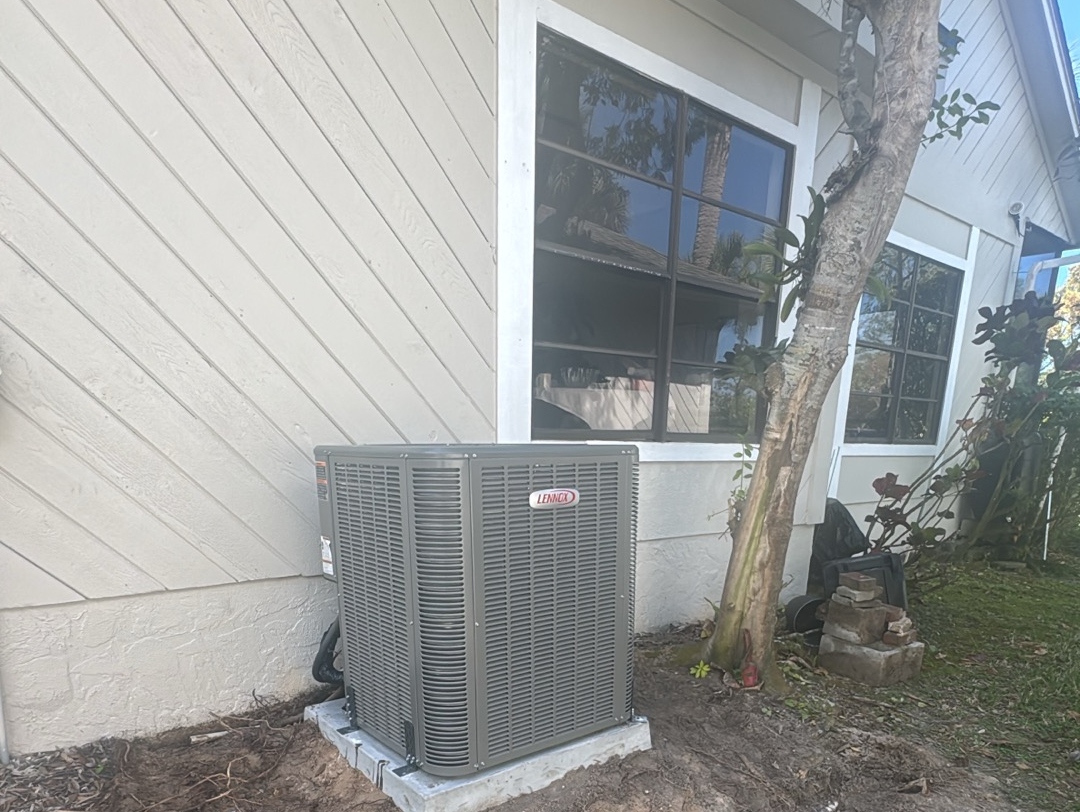
When your AC breaks down in Sarasota Springs, Florida, you'll likely pay a diagnostic fee for a technician to identify the problem. This fee covers the cost of the visit and inspection. The big question is whether this fee should count toward your final repair bill.
Many HVAC companies in Florida will waive or credit your diagnostic fee toward the repair cost if you approve the work, but policies vary significantly between service providers. Some companies automatically apply it, while others keep it as a separate charge regardless of whether you move forward with repairs. Understanding these policies before calling for service can save you money and frustration.
This guide will help you understand what diagnostic fees cover, how different companies handle fee credits, and what to look for when choosing an HVAC service provider in Sarasota Springs. You'll also learn which practices are standard in the industry and how to avoid paying more than necessary for AC repairs.
Whether your HVAC diagnostic fee should apply to the repair depends entirely on the company you call, which is why the questions you ask before booking matter more than most homeowners realize.
In this article, you will learn about:
Keep reading to learn how to tell the difference between a fair diagnostic fee and a pricing structure designed to steer you toward work you may not need.
An HVAC diagnostic fee covers the technician's time, expertise, and resources needed to identify problems with your system. This charge exists separately from repair costs and includes specific inspection procedures, testing, and documentation that protect both you and the service provider.
Your diagnostic fee should cover a complete system evaluation, not just a quick visual check. The technician should inspect your air handler, condenser unit, thermostat, electrical connections, and refrigerant levels.
The inspection includes checking your air filter condition, ductwork integrity, and drain line functionality. Your technician should also examine capacitors, contactors, and other electrical components that commonly fail.
Most companies include a written assessment of their findings as part of the fee. This documentation should list any problems discovered and explain why your system isn't working properly.
The fee covers the technician's travel time to your location and the specialized tools they bring. Diagnostic equipment like multimeters, refrigerant gauges, and thermal cameras cost thousands of dollars and require regular calibration.
A thorough AC diagnostic typically takes 45 to 90 minutes depending on your system's complexity and the problem's nature. Technicians need this time to test multiple components and rule out various potential causes.
Your technician's expertise comes from years of training and certification. The EPA requires that any technician who maintains, services, repairs, or disposes of equipment containing refrigerants must hold Section 608 certification under the Clean Air Act. This is a federal requirement, and the credentials do not expire. That certification is part of what you are paying for when a qualified technician connects gauges to your system.
The diagnostic fee reflects this specialized knowledge. A qualified technician can distinguish between symptoms and root causes, saving you money by identifying the actual problem rather than replacing parts unnecessarily. The diagnostic order itself is designed to rule out airflow and electrical problems before moving to refrigerant, so nothing gets skipped and nothing gets replaced that didn't need to be.
Many diagnostic issues require systematic testing to pinpoint the exact failure point. Your technician might need to monitor system performance under different operating conditions or use elimination processes to find intermittent problems.
Technicians perform specific tests to evaluate your system's performance and identify failures. These include measuring voltage and amperage at motors and compressors, checking refrigerant pressures, and testing capacitor functionality.
Airflow measurements help determine if your system moves enough air through the ducts. Low airflow causes multiple problems and can result from blocked filters, dirty evaporator coils, or blower motor issues.
Temperature differential testing measures the difference between supply and return air. This reveals whether your system produces adequate cooling or heating based on manufacturer specifications.
Your technician should also test safety switches like pressure switches and limit switches. These components prevent dangerous conditions but can fail and cause system shutdowns.
HVAC companies carry insurance and licensing that protect you from liability if something goes wrong during service. These costs factor into diagnostic fees and overall pricing structures.
Technicians follow safety protocols when working with high-voltage electricity, pressurized refrigerants, and gas lines. Proper safety procedures take additional time but prevent injuries and property damage.
Your diagnostic fee helps cover the company's workers compensation insurance and liability coverage. If a technician gets injured at your property or accidentally damages your system, this insurance protects both parties.
Licensed companies also invest in ongoing training to keep technicians current with safety standards and building codes. In Florida, the Department of Business and Professional Regulation requires HVAC contractors to hold a state license, carry minimum insurance, and pass trade and business examinations before they can legally perform work. You can verify any contractor's license status through the DBPR's online search before you book the appointment.
You should receive a written report detailing what the technician found during the inspection. This documentation should list all tested components and their current condition.
The report must include a repair estimate if problems were discovered. This estimate should separate parts costs from labor charges and specify which repairs address which problems.
Your documentation should explain technical findings in plain language. You need to understand what's wrong, why it matters, and what happens if you delay repairs.
Ask for photos or video evidence of major issues like damaged components or refrigerant leaks. Visual documentation helps you understand the problem's severity and provides proof if you need a second opinion.
Keep this paperwork for warranty purposes and future reference. It creates a service history that helps future technicians and may be required for warranty claims or home sale disclosures.
Most HVAC companies credit diagnostic fees toward repairs if you approve the work, but policies vary significantly between providers. Understanding when fees apply and how they're structured helps you evaluate fair pricing and avoid unnecessary charges.
Many HVAC companies in Sarasota Springs credit your diagnostic fee toward the repair cost when you approve the work. This is the most common practice among reputable providers in Florida.
The credit typically applies to the labor portion of your repair bill. Some companies apply credits only to same-day repairs. Others honor the credit for work completed within 30 days. You should ask about the timeframe before paying any diagnostic fee.
Common credit policies include:
Diagnostic fees remain separate when repairs aren't approved or the issue doesn't require fixing. You pay for the technician's time and expertise regardless of whether you proceed with repairs.
HVAC trip charges in Florida cover the cost of sending a qualified technician to your home. These fees pay for vehicle maintenance, insurance, and the technician's diagnostic skills. The fee compensates the company even when no repair work happens.
Warranty situations often keep diagnostic fees separate. Your parts may be covered, but you still pay for the service call and labor. This is standard practice across the industry.
Different companies structure their fees differently, which affects your total cost. Some charge higher diagnostic fees but credit the full amount. Others charge lower fees with no credit option.
The Federal Trade Commission advises homeowners to get at least three written estimates before committing to home repair work, to read every contract carefully before signing, and to verify that the contractor is licensed and insured. That advice applies to HVAC service as much as any other home repair category. Get the credit policy in writing before scheduling, and compare total out-of-pocket cost across providers, not just the diagnostic fee alone.
Some pricing models push you toward approving repairs you might not need. Watch for companies that offer free diagnostics but charge inflated repair prices.
Fees waived only for expensive repairs can signal pressure tactics. If diagnostics are free for large repairs but charged for smaller fixes, the company might steer you toward costly solutions.
Be cautious of companies that don't clearly explain their fee structure upfront. Reputable providers disclose all charges before arriving at your home. They explain exactly when fees apply and when they're credited.
HVAC repairs in Sarasota Springs often include costs beyond the initial diagnostic fee, from parts markup to emergency rates. Understanding these potential charges helps you ask the right questions and avoid surprises on your final bill.
When you receive an HVAC estimate, ask for a detailed breakdown that separates parts, labor, and consumables. Parts pricing varies widely between companies.
Your technician should specify how many hours the repair requires. Don't assume the estimate includes everything.
Consumables add to your total cost but rarely appear in initial quotes. These include:
Ask your technician to list all consumables needed for your repair. These items can add a meaningful amount to your final bill beyond the quoted price.
Parts warranties don't cover everything you might expect. Most manufacturer warranties cover the failed component but exclude refrigerant and labor costs. If your compressor fails under warranty, you receive the part free but still pay for installation.
Refrigerant represents a significant expense that warranties typically exclude. The cost per pound varies by refrigerant type and market conditions, and a system recharge requires multiple pounds depending on your unit size.
Labor charges apply even when the part is free under warranty. Installation of a warranty compressor can carry a substantial labor bill on its own. Some companies charge warranty processing fees per claim on top of that.
Read your warranty document before approving repairs. Ask which costs the warranty covers and which you'll pay out of pocket. The repair versus replace decision becomes especially important when warranty coverage is partial and the remaining out-of-pocket cost approaches what a new system would run.
After-hours service calls cost significantly more than standard appointments. HVAC companies in Sarasota Springs charge premium rates for evenings, weekends, and holidays.
Typical rate increases:
Ask about emergency pricing before scheduling off-hours service. Consider whether your repair qualifies as a true emergency. A system that stops cooling on Friday afternoon might wait until Monday if temperatures remain tolerable. A few basic checks at the thermostat and breaker panel can sometimes resolve the issue or at least confirm whether it can safely wait.
Some companies push system replacement when repairs make more financial sense. A technician who immediately recommends replacement without explaining repair options may prioritize sales over service.
Watch for these red flags during estimates:
Repair-focused companies provide multiple options at different price points. They explain what's broken, why it failed, and how long a repair should last. They give you time to decide without pressure tactics. When you have a realistic picture of AC repair pricing in Florida, inflated estimates are much easier to spot.
Request repair estimates even if replacement seems likely. Compare the repair cost to roughly half the replacement cost. If repairs exceed that threshold, replacement starts to make more sense.
A reliable HVAC company brings more than technical skills to your home. The right contractor stocks parts, schedules efficiently, explains your options clearly, and stands behind their work.
A well-stocked service van means your technician can complete most repairs in one visit. Companies that invest in inventory demonstrate their commitment to solving problems quickly rather than making multiple trips.
Technicians who carry common parts like capacitors, contactors, and thermostats save you time and money. You avoid waiting days for a second appointment while your AC stays broken during Florida's heat. This approach also reduces the total service cost since you're not paying for multiple diagnostic fees or trip charges.
Some repairs do require a part that isn't on the van, and a second visit is sometimes unavoidable when a compressor or coil needs to be ordered from the manufacturer. The difference is whether the company explains that clearly or simply shows up unprepared.
Family-owned HVAC companies in Sarasota often maintain larger inventories because they understand the local climate demands. They know which parts fail most often in humid coastal conditions and prepare accordingly.
Your HVAC company should schedule enough time for thorough system evaluation. Rushed appointments lead to missed problems and incorrect diagnoses.
Look for companies that book 60 to 90-minute service windows instead of cramming multiple calls into short time slots. This allows technicians to test all system components, check refrigerant levels, inspect electrical connections, and identify underlying issues.
Off-peak scheduling in shoulder seasons can provide better service. Your technician faces less pressure to rush to the next emergency call. Some companies offer reduced diagnostic fees during slower months.
A trustworthy contractor presents both repair and replacement options with honest cost comparisons. They explain when fixing your current system makes financial sense and when replacement offers better long-term value.
Your technician should show you the failed parts and explain why they stopped working. They need to discuss whether other components might fail soon due to age or wear patterns. This transparency helps you make informed decisions.
Key questions to ask:
Companies that stand behind their work provide clear warranty terms in writing before starting repairs. Labor warranties typically cover 30 days to one year, while parts warranties follow manufacturer specifications.
Your service agreement should specify what happens if the same problem returns. Reputable companies honor their diagnostic work by not charging a second fee for misdiagnosed issues within a reasonable timeframe.
Contact information for follow-up questions should be readily available. Companies serving Sarasota and Manatee counties often provide emergency support for warranty-covered repairs. Keep all service documentation including itemized invoices, warranty certificates, and technician notes for future reference.
Whether your HVAC diagnostic fee applies to the repair is not a question with one answer, because every company sets its own policy. What matters is that you know the policy before the technician arrives, that you get it in writing, and that you understand exactly what the fee covers. A fair diagnostic fee pays for a thorough inspection with documented findings and a clear estimate. It should not be a deposit on a repair you haven't agreed to, and it should not disappear into an inflated labor charge that makes the credit meaningless.
The broader issue is how the company handles the entire experience from the first phone call to the final invoice. A company that schedules enough time for a real diagnosis, shows you the failed part, explains why it failed, and gives you repair and replacement options at honest prices is telling you something about how it operates. A company that rushes through, skips the documentation, and pushes for a same-day decision with an expiring discount is telling you something too. The diagnostic fee policy is just one signal in a larger pattern, and the pattern is what you should be evaluating.
When you want a diagnostic visit that gives you a straight answer, Gary Air sends the right technician with the time and the tools to find the actual problem, not the most expensive one. As a family-owned, veteran-owned, locally owned company, Gary Air tells you what is wrong, what it costs to fix, and whether fixing it makes more sense than replacing it. No pressure, no expiring offers, and no second diagnostic fee if the same problem comes back. Reach out and get a clear answer before you commit to anything.






.avif)

