What Sarasota and Manatee County homeowners need to know about AC replacement permits, from emergency rules to flood zone requirements.
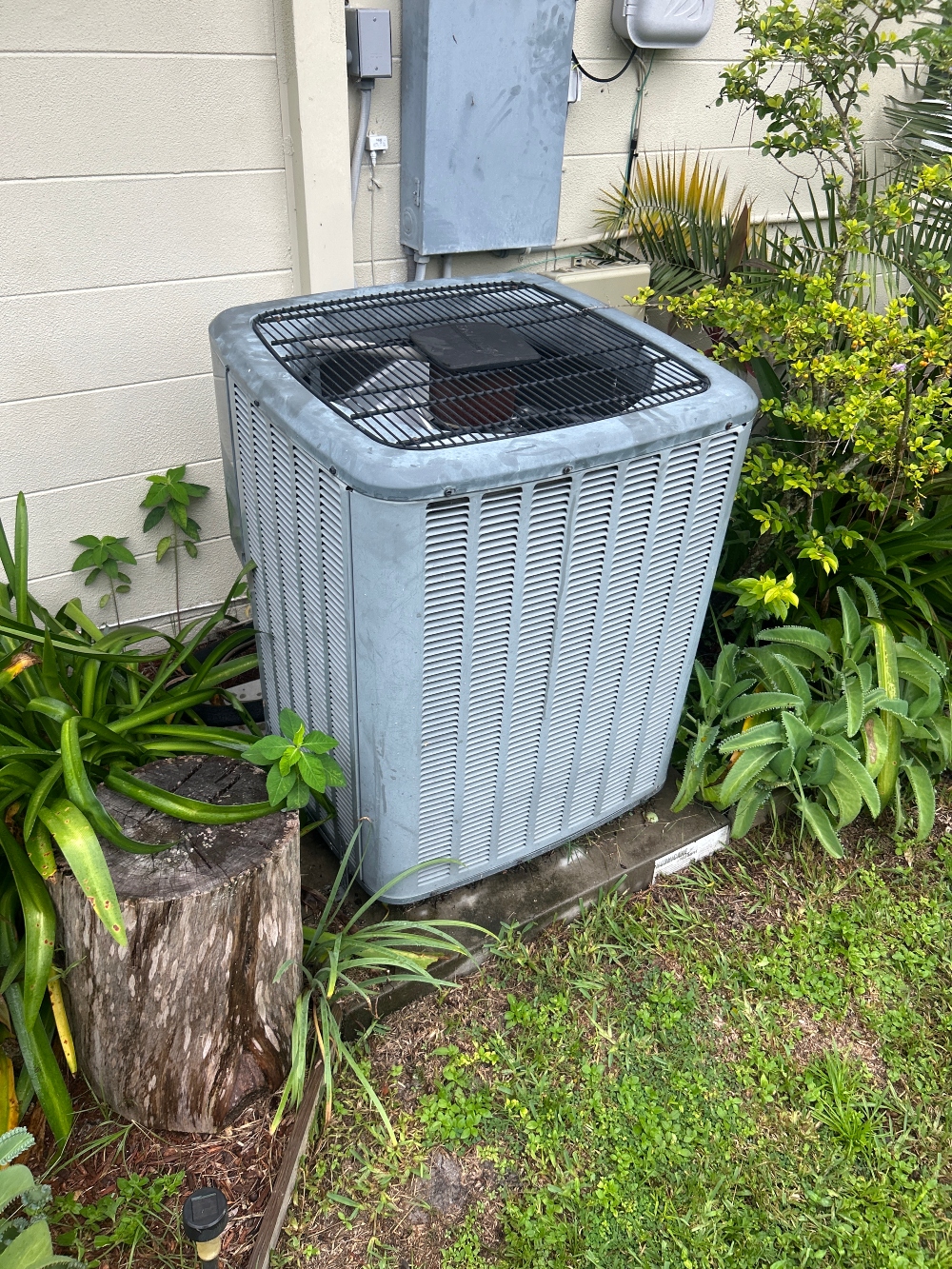
Florida AC replacement permits catch a lot of homeowners off guard. The old unit dies, a contractor shows up fast, the new one goes in within a day or two, and it's easy to assume the paperwork is someone else's problem.
It isn't, not entirely. Sarasota and Manatee County both require a permit for AC replacement work, and skipping that step can come back to bite a homeowner months or years later, usually at the worst possible time, like during a home sale or an insurance claim. The same reasoning behind why permits matter for AC installation applies just as directly to a straightforward replacement, and the rules aren't identical between the two counties either, which makes it easy to assume one set of requirements when a different one actually applies.
This guide walks through what actually triggers a permit requirement, how the process differs between Sarasota and Manatee County, and the situations that trip people up most. None of it requires reading the full building code. It just requires knowing which questions to ask before a new unit goes in the ground.
In this article, you will learn about:
Keep reading to find out what happens when a permit gets skipped and how to make sure yours doesn't.
Florida treats AC replacement as regulated work, not a simple swap, because the installation touches electrical systems, refrigerant lines, and equipment sizing that all have real safety and performance stakes. The permit exists to confirm someone actually checked that work before it gets buried behind a wall or bolted to a slab.
Understanding why the requirement exists in the first place makes the rest of the process easier to navigate, and it explains why even a fast emergency replacement still needs paperwork behind it. Manatee County alone issued more than 11,000 building permits in 2025, according to the U.S. Census Bureau, a volume that makes consistent, well-documented permitting even more important for building departments trying to keep pace.
A permit application triggers a plan review and at least one inspection, and that inspection is what verifies the new equipment was sized correctly, wired safely, and connected properly to existing ductwork and drainage. Without it, nobody outside the installing contractor ever confirms the work was done right.
This isn't a bureaucratic formality layered on top of good work. It's the only outside check that a homeowner has, short of hiring their own second opinion, that the installation actually meets the standard it's supposed to.
Homeowners rarely need to pull an AC permit themselves. A licensed HVAC contractor typically handles the application as part of the job, submitting plans to the local building department and scheduling the required inspection once the work is done.
That said, the responsibility ultimately traces back to the homeowner if it never gets done. A contractor who skips the permit to save time or avoid a failed inspection leaves the homeowner holding the risk, not the contractor, once the job is finished and the invoice is paid. This is one more reason the decision behind repair versus replace should include a conversation about permitting, not just equipment cost.
A failed AC in the middle of a Florida summer creates real pressure to get a new unit in fast, but emergency timing doesn't remove the permit requirement. This is exactly the kind of situation covered in emergency AC repair in Sarasota, where local building departments generally require the permit application to be submitted within one business day of an emergency replacement, even when the physical installation happened same-day.
A contractor who treats "it was an emergency" as a reason to skip the paperwork entirely, rather than simply filing it the next business day, is cutting a corner that has nothing to do with the urgency of the original breakdown.
Sarasota and Manatee County sit right next to each other, share the same climate, and use the same statewide building code as their foundation, but the permitting process itself runs through two separate systems with their own quirks.
Knowing which county's rules actually apply to a specific address, and which incorporated city might layer on its own requirements, prevents a lot of confusion during what's often already a stressful replacement.
Sarasota County's Building Division handles permits for unincorporated areas, while the City of Sarasota runs its own building and permitting division for properties inside city limits. A homeowner just outside the city line and one a few blocks inside it can end up submitting the exact same AC permit application to two different offices.
Sarasota County has also introduced newer conveniences, like expedited processing for certain residential projects, that don't automatically apply the same way inside the city's separate system. Confirming which jurisdiction actually covers a specific address is worth doing before assuming either set of rules.
Manatee County routes AC replacement permits through its Development Services Department, which handles completeness review, routing, and issuance for unincorporated parts of the county. Cities within Manatee County, including Bradenton, Palmetto, and the beach communities, run their own separate building departments with their own portals and fees.
Manatee County's Building Division processes most trade permits, including mechanical work like AC change-outs, through its online Accela portal, which lets homeowners and contractors track a permit's status without an in-person visit.
Homeowners in a master-planned community that straddles county lines, or near a city boundary, should confirm the correct jurisdiction before assuming their contractor filed with the right office.
Sarasota and Manatee County both apply the Florida Building Code, Energy Conservation, 8th Edition as their baseline, which is why the core AC replacement requirements look similar on paper. Where the counties diverge is in local amendments, fee schedules, and how aggressively each building department enforces the finer details.
A contractor who regularly pulls permits in both counties will know these local differences well. One who works almost exclusively in a single jurisdiction may not realize the neighboring county handles a specific situation differently, which is one more reason to ask directly what a full AC installation actually includes in terms of permitting before work begins.
Most AC replacement permit problems don't come from homeowners deliberately skipping the process. They come from specific situations nobody warned them about until it was too late to fix cheaply.
Recognizing these patterns ahead of time is the difference between a smooth replacement and a surprise months down the road.
AC change-outs valued at a certain threshold require filing a Notice of Commencement in addition to the standard permit application, a step that's easy to miss on a larger system replacement. Skipping this step on a qualifying job can create real complications later, particularly around lien rights and payment disputes if something goes wrong with the contractor relationship.
A reputable contractor handling a full system replacement should flag this requirement upfront rather than leaving a homeowner to discover it during a dispute, the same way a transparent breakdown of AC repair cost should be part of any conversation about a larger installation.
Homes in a designated flood hazard area face an additional requirement when AC equipment gets damaged by flooding and needs replacement: the new unit generally must be elevated to meet current flood-resistant construction standards, not simply reinstalled at the original height. This applies specifically to storm and flood damage replacements, not routine equipment failure.
Homeowners along the coast or near waterways in Sarasota and Manatee County should ask directly whether their property falls inside a flood hazard area, especially before a hurricane-season replacement.
Florida House Bill 803 changes how long a new single-family dwelling building permit stays active before it expires, extending the window from the previous 180-day standard to a full year for permits issued on or after July 1, 2026. This shift specifically targets new construction permits rather than standalone AC replacement permits, but it's a reminder that permit rules in Florida are not static.
Homeowners relying on outdated information about permit timelines, inspection deadlines, or expiration rules risk assuming a process that no longer matches current law. Confirming current requirements directly with the relevant building department, rather than relying on what a neighbor or a search result says, avoids this entirely.
Whether the replacement is planned months in advance or forced by a sudden breakdown, a few direct questions protect a homeowner far more than trusting that "the contractor probably handled it." Many of the same questions to ask an HVAC company that guard against a bad service experience apply just as directly to the permitting side of a replacement.
Start by asking the contractor directly, before any work begins, exactly how the permit process will run for this specific job.
That last question matters more than most homeowners realize. Permit numbers are typically searchable through the county's online portal, which means a homeowner can confirm a permit was actually filed rather than taking a contractor's word for it.
Inspections exist to catch problems before they're sealed behind drywall or buried underground, and a failed inspection isn't necessarily a red flag on its own. What matters is how the contractor responds. A contractor who treats a failed inspection as a normal part of the process, corrects the issue, and reschedules promptly is behaving exactly as expected.
A contractor who becomes defensive about a failed inspection, or suggests skipping the reinspection entirely, is signaling something worth taking seriously before the job moves any further.
A verbal assurance that "the permit's been taken care of" isn't the same as a permit number a homeowner can look up themselves. Reputable contractors have no reason to withhold this information, since it's public record once filed.
Requesting the actual permit number, rather than accepting a general assurance, takes a few minutes and closes the door on any ambiguity about whether the paperwork was ever filed at all.
A permit application is only as good as the license behind it, and Florida requires HVAC contractors to hold a valid state license to legally pull permits and perform this work. Confirming a contractor's license status through the Florida Department of Business and Professional Regulation takes only a few minutes and rules out one of the most common sources of permit trouble: an unlicensed installer who was never eligible to file the paperwork in the first place.
A few checks upfront protect against this before any equipment changes hands.
Asking to see a license number upfront, rather than assuming it exists, protects a homeowner from a situation where the permit gets rejected outright because the person who filed it wasn't actually authorized to.
Florida AC replacement permits exist to protect the person paying for the work, not to slow the process down for no reason. The inspection tied to that permit is often the only outside confirmation a homeowner ever gets that the new system was actually installed correctly, safely, and in a way that will hold up under scrutiny later.
Sarasota and Manatee County both require permits for AC replacement, route the process through slightly different offices, and layer on their own local wrinkles around emergency timing, high-value change-outs, and flood zone equipment rules. None of that complexity should fall on the homeowner to untangle alone.
Gary Air pulls the proper permits on every installation across Sarasota and Manatee County, without exception, and treats the inspection process as part of doing the job right rather than a hurdle to work around. If you're planning an AC replacement or want to confirm a past installation was properly permitted, reach out to Gary Air to talk through what your specific property and situation actually require.