


When your air conditioner stops working in Sarasota's heat and humidity, your home can become uncomfortable fast. Emergency AC repair services in Sarasota offer 24/7 help to get your cooling system running again quickly. Many local companies respond right away because they know how hard it is to stay comfortable without working AC in Florida.
Extreme indoor heat can become a medical risk quickly for vulnerable people. According to CDC/NIOSH, heat stroke is the most serious heat-related illness and can occur when the body can’t control temperature; body temperature can rise to 106°F or higher within 10–15 minutes.
You need to know what situations require emergency service and what steps you can take before the technician arrives.
This guide covers how to handle AC emergencies in Sarasota from start to finish. You'll learn what problems need immediate attention, how to prepare for the repair visit, and ways to keep your system from breaking down again.
Here's what you’ll find below:
Making smart choices during an AC breakdown can help you get faster repairs and avoid the same problem later.
In Florida's extreme heat and humidity, certain AC failures pose immediate risks to health, safety, and property. Understanding which problems require same-day or after-hours attention helps you respond appropriately when your system stops working.
Indoor temperatures above 85°F create dangerous conditions, especially during Florida's summer months. Your body struggles to cool down when nighttime temperatures stay high inside your home.
Children, elderly family members, and pets face the highest risk from extreme indoor heat. Their bodies can't regulate temperature as effectively as healthy adults. Heat exhaustion and heat stroke become real concerns when indoor temperatures climb into the mid-80s or higher.
Sleep disruption from excessive heat also affects your health and safety. You need quality rest to function properly the next day. When your AC fails at night and temperatures won't drop, getting same-day AC repair in Sarasota, FL becomes necessary to protect your household.
Florida's humidity levels range from 60% to 90% throughout most of the year. When your AC stops working, humidity inside your home rises rapidly alongside the temperature.
High humidity promotes mold growth within 24 to 48 hours of exposure to moisture. You'll find mold developing on walls, furniture, and inside closets. This creates health hazards and potentially expensive remediation costs.
Moisture events can turn into a cleanup problem fast if materials can’t be dried. Per FEMA mold guidance, items that cannot be properly cleaned and dried within 24–48 hours should be removed and thrown away, including some building materials and personal property.
Your electronics and appliances also suffer damage from excessive moisture. Humidity causes corrosion on circuit boards and mechanical components. Wooden furniture, musical instruments, and important documents can warp or deteriorate quickly in these conditions.
Water leaking from your AC unit signals a serious problem that needs immediate attention. A clogged drain line or frozen evaporator coil can release gallons of water into your home.
Standing water damages flooring, drywall, and ceiling materials. You might see water staining, warping, or structural weakening within hours of a leak starting. The cost of repairing water damage often exceeds the cost of emergency AC repair.
Water also creates electrical hazards when it reaches outlets or wiring. If you notice water pooling near your indoor unit or dripping from ceiling vents, shut off your system and call for after-hours AC repair in Sarasota, FL right away.
Complete system failure during peak heat requires immediate professional help. When your AC runs but produces no cool air, you're facing an AC not cooling emergency that will only worsen as outdoor temperatures rise.
Signs requiring urgent response:
A thermostat malfunction that prevents temperature control also counts as an emergency. You can't maintain safe indoor conditions when you lose the ability to regulate your cooling system. Refrigerant leaks fall into this category too, as they prevent your system from producing cold air and may pose health risks.
Basic checks can save time and money before you contact a repair company. Testing your thermostat, inspecting both indoor and outdoor units, and looking at drain lines helps you provide useful information to technicians or fix simple problems yourself.
Start by checking if your thermostat displays any error codes or warning lights. Set the temperature at least 5 degrees below the current room temperature and confirm the display shows "cooling" mode. Wait 3 to 5 minutes to see if you hear your system start up.
Replace the batteries if your thermostat runs on battery power. Dead batteries can stop your entire AC system from working even though nothing is wrong with the unit itself. Check that your thermostat is set to "auto" rather than "on" for the fan setting.
Make sure the thermostat is firmly attached to the wall and wires are connected properly if you can see them. A loose connection can break communication between your thermostat and AC unit. If the screen is blank or unresponsive after trying new batteries, the thermostat itself may need replacement.
Walk to your indoor air handler and listen for any sounds when the system should be running. You should hear the blower fan running if the thermostat is calling for cooling. Feel the air coming from your vents to confirm air is moving through your home.
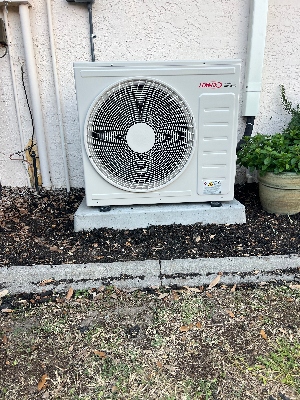
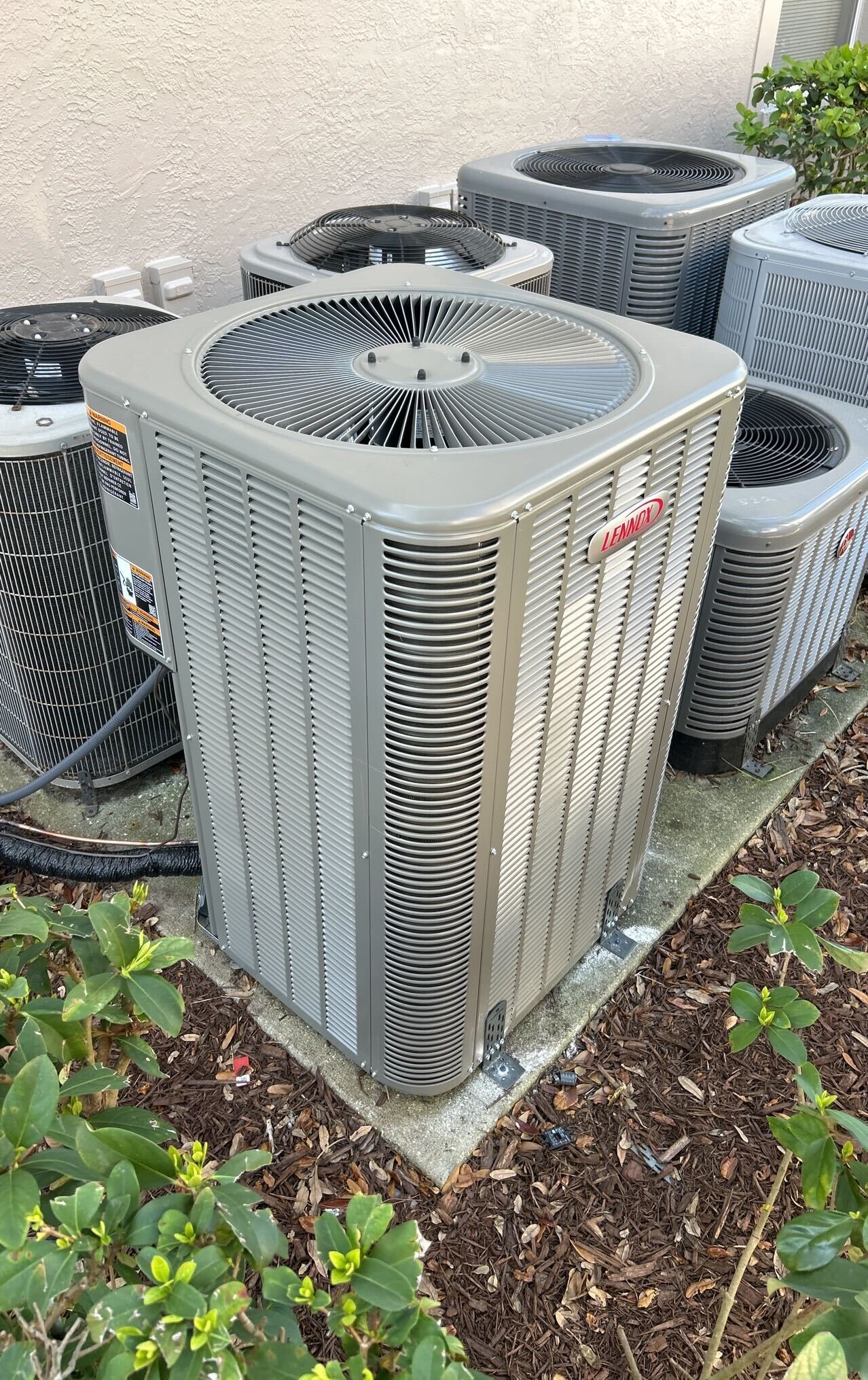
Go outside to your condenser unit and look for these signs:
Clear any leaves, grass clippings, or debris around your outdoor unit. Keep at least 2 feet of clear space around all sides of the condenser for proper airflow. Check that the disconnect box near the outdoor unit is in the "on" position.
Locate your condensate drain line, which is usually a white PVC pipe coming from your indoor unit. Check if water is pooling around your indoor air handler or dripping from the unit. A clogged drain line is one of the most common AC problems in Sarasota.
Look at the drain pan under your air handler for standing water. Some water is normal, but if the pan is full or overflowing, your drain line is likely blocked. Many modern AC units have a safety switch that turns off the system when water backs up.
Find where your drain line exits outside your home. Pour a cup of water into the condensate drain opening inside and watch if it flows freely outside. If water backs up or drains slowly, you have a clog that needs clearing.
Do not open electrical panels or touch any wiring. AC units use high voltage electricity that can cause serious injury or death. Leave all electrical work to licensed professionals.
Never use a garden hose to spray water directly into your outdoor condenser unit while it has power. Water and electricity create a dangerous combination. You can remove external debris by hand with the power off at the breaker.
Avoid adding refrigerant yourself. Handling refrigerant requires EPA certification and special equipment. Improper refrigerant levels can damage your compressor and cost thousands in repairs.
Do not force open any sealed components or remove access panels held by screws. These covers protect dangerous electrical parts and refrigerant lines under pressure. Stay away from the condenser fan when the unit is running since the blades spin at high speeds.
Getting your AC fixed on the first visit saves you time and keeps your home comfortable faster. The key factors include sending qualified technicians, keeping the right parts available, scheduling enough time for proper diagnosis, and gathering detailed information before the service call.
Not all AC technicians have the same training or experience. Some specialize in certain brands or types of cooling systems, while others focus on specific repair types.
When you call for emergency AC repair in Sarasota FL, the dispatch team should match your problem with a technician who has handled similar issues. A tech who regularly works on heat pump systems will fix those problems faster than someone who mainly services basic central air units.
Experience with your specific AC brand also matters. A technician familiar with Trane systems knows where to look for common issues that differ from Carrier or Lennox units. They can spot problems quickly without wasting time reading manuals or calling for backup.
Certification levels make a difference too. EPA-certified technicians can handle refrigerant issues that others cannot legally touch. This means your repair gets done right away instead of waiting for another visit from a properly licensed tech.
The most common AC problems in Sarasota include failed capacitors, worn contactors, dirty coils, and refrigerant leaks. A well-stocked service truck carries these parts so repairs happen immediately.
Common parts that should be on every truck:
Your technician should also carry basic electrical components like wire, connectors, and terminals. Many AC failures involve simple wiring problems that take minutes to fix when the parts are available.
Refrigerant is particularly important for emergency calls. Florida's heat and humidity put extra stress on AC systems, and refrigerant issues happen frequently. When your tech carries the right type and has proper recovery equipment, they can complete the repair without a second trip.
Rushed appointments lead to missed problems and return visits. Your AC system has multiple components that work together, and fixing one issue without checking related parts often means another failure soon after.
A proper diagnosis takes 45 to 90 minutes for most emergency repairs. This includes checking electrical connections, measuring refrigerant levels, testing airflow, inspecting ductwork connections, and running the system through a complete cycle.
Short appointment windows force technicians to focus only on the obvious problem. They might replace a failed capacitor but miss the loose electrical connection that caused it to fail. You get temporary relief, but the real issue remains.
Companies that schedule realistic time blocks give technicians room to find root causes. Your tech can test components thoroughly and catch problems before they cause another breakdown. This approach costs less than paying for multiple emergency visits.
The details you provide when calling for service directly affect first-visit success. Specific information helps dispatch send the right technician with the right parts.
Tell dispatch your AC brand, model number, and approximate age. This information is usually on a label on your outdoor unit or indoor air handler. Include what symptoms you notice, like warm air blowing, strange noises, or the system not turning on at all.
Mention any recent changes or events. Did the AC stop working after a storm? Have you noticed higher electric bills? Did another company recently service the system? These details help technicians prepare for likely causes.
After storms and outages, generator placement matters to prevent carbon monoxide poisoning. According to CDC disaster CO guidance, portable generators and other fuel-burning devices should never be used inside a home, basement, garage, or camper—or outside near an open window or window air conditioner—because CO can build up and poison people inside.
Describe your thermostat behavior too. Does it show error codes? Is it blank? Does the system respond when you adjust settings? Thermostat issues cause different problems than mechanical failures, and knowing this beforehand helps your tech bring the right tools and parts.
Regular maintenance prevents most AC failures before they happen, especially in Florida's demanding climate where systems run nearly year-round. Keeping drain lines clear and securing a service agreement gives you faster access to help when problems do arise.
Your AC runs far more often in Florida than in most other states. The hot, humid weather means your system operates 8 to 10 months each year instead of just during summer.
This extended runtime puts more wear on your components. Parts like capacitors, contactors, and fan motors break down faster with constant use.
Most HVAC companies recommend maintenance in spring and fall for Florida homes. The spring visit prepares your system for the intense summer heat. The fall checkup addresses any problems that developed during peak season and gets your system ready for milder weather when you might use heat occasionally.
Skipping these visits increases your risk of breakdowns during the hottest months when you need cooling most.
A maintenance visit checks several parts that commonly fail without warning:
Technicians also clean your evaporator and condenser coils during maintenance. Dirty coils reduce efficiency by 30% or more and force your compressor to work harder. This extra strain shortens the life of your most expensive component.
Small issues like worn belts or dirty filters get fixed before they cause bigger problems.
Florida's humidity creates constant condensation in your AC system. Your drain line removes several gallons of water each day during normal operation.
The warm, wet environment inside drain lines encourages algae and mold growth. These blockages back water into your system and trigger the safety float switch that shuts down your AC.
A clogged drain line is one of the most common emergency calls in Sarasota. The problem often happens suddenly during the wettest months from June through September.
Maintenance visits include flushing your drain line with bleach or vinegar to kill growth. Technicians also check that the line slopes correctly and isn't damaged. Some companies install drain line tablets that slowly release treatment to prevent clogs between visits.
Many HVAC companies offer annual service plans that include your maintenance visits and additional benefits. These plans typically cost $150 to $300 per year.
Members usually get priority scheduling for emergency repairs. You call with a breakdown and get scheduled hours or days before non-members. Some companies offer 24/7 emergency service exclusively to plan members.
Plans often include discounts on repairs, typically 10% to 20% off parts and labor. You also avoid trip charges that can add $75 to $150 to your emergency repair bill.
The cost of two maintenance visits alone often equals or exceeds the annual membership fee. The emergency benefits and repair discounts provide extra value if you need service between scheduled visits.
When you need emergency AC repair in Sarasota, FL, speed matters—but so does making sure the call gets routed correctly so the technician arrives prepared. The goal is to identify whether you’re dealing with an immediate safety/property risk (electrical smell, breaker trips, water leaking) or a true AC not cooling emergency that can’t wait in Sarasota heat and humidity.
Before you call for same day AC repair Sarasota, FL or after hours AC repair Sarasota, FL, do a quick, safe triage: confirm thermostat mode and setpoint, check whether the indoor blower is moving air, and look for obvious signs like water under the air handler, ice on the refrigerant line, or repeated breaker trips. Turn the system off if you see water near electrical components, smell burning, or notice persistent tripping—those conditions can escalate fast.
To make a first-visit fix more likely, give dispatch specifics: whether the outdoor unit is running, whether air is blowing warm, whether you saw water/ice, and whether a breaker is tripping. Sharing the system brand/age and any recent storm or power event helps the technician bring likely parts and the right test equipment, reducing the chance of a second trip.
Call Gary Air now to request 24-hour emergency AC repair in Sarasota, FL—we’ll dispatch a technician equipped to diagnose the failure safely and restore cooling as fast as possible.





.avif)

