The most common causes for AC running but not cooling in Sarasota, FL, include a dirty air filter blocking airflow, low refrigerant levels, a clogged condenser coil, or a frozen evaporator coil. Some of these problems you can check yourself, while others need a trained technician to diagnose and repair safely.
Dirty or neglected filters are a leading cause of “runs but won’t cool” because they restrict airflow and reduce performance. According to the U.S. EPA, central heaters and air conditioners use filters to trap dust and other pollutants, and homeowners should change or clean those filters regularly by following the product instructions.
When your air conditioner runs but fails to cool your Sarasota Springs home, it usually points to one of several fixable issues. The humid Florida climate makes a working AC essential, so understanding what might be wrong helps you take action quickly.
This guide walks you through the typical reasons your AC might be struggling in Sarasota Springs. You'll learn what to inspect on your own before calling for help and what steps a professional will take to get your system cooling again.
Here's what you need to know:
Let's dive in!
When your system runs but fails to cool your home, the problem usually starts with simple issues like thermostat settings or dirty filters before moving to more complex mechanical failures. Start with basic checks on airflow and power to both units before assuming refrigerant loss.
Your air conditioner might be running without cooling for several reasons that range from simple fixes to serious mechanical problems. The most common cause is a dirty air filter that blocks airflow and prevents cold air from reaching your rooms. When filters get clogged with dust and debris, your system works harder but delivers less cooling.
Your thermostat settings could also be the culprit. Check that your thermostat is set to "cool" mode and that the temperature setting is lower than your current room temperature. If the fan is set to "on" instead of "auto," it will blow air constantly even when the system isn't actively cooling.
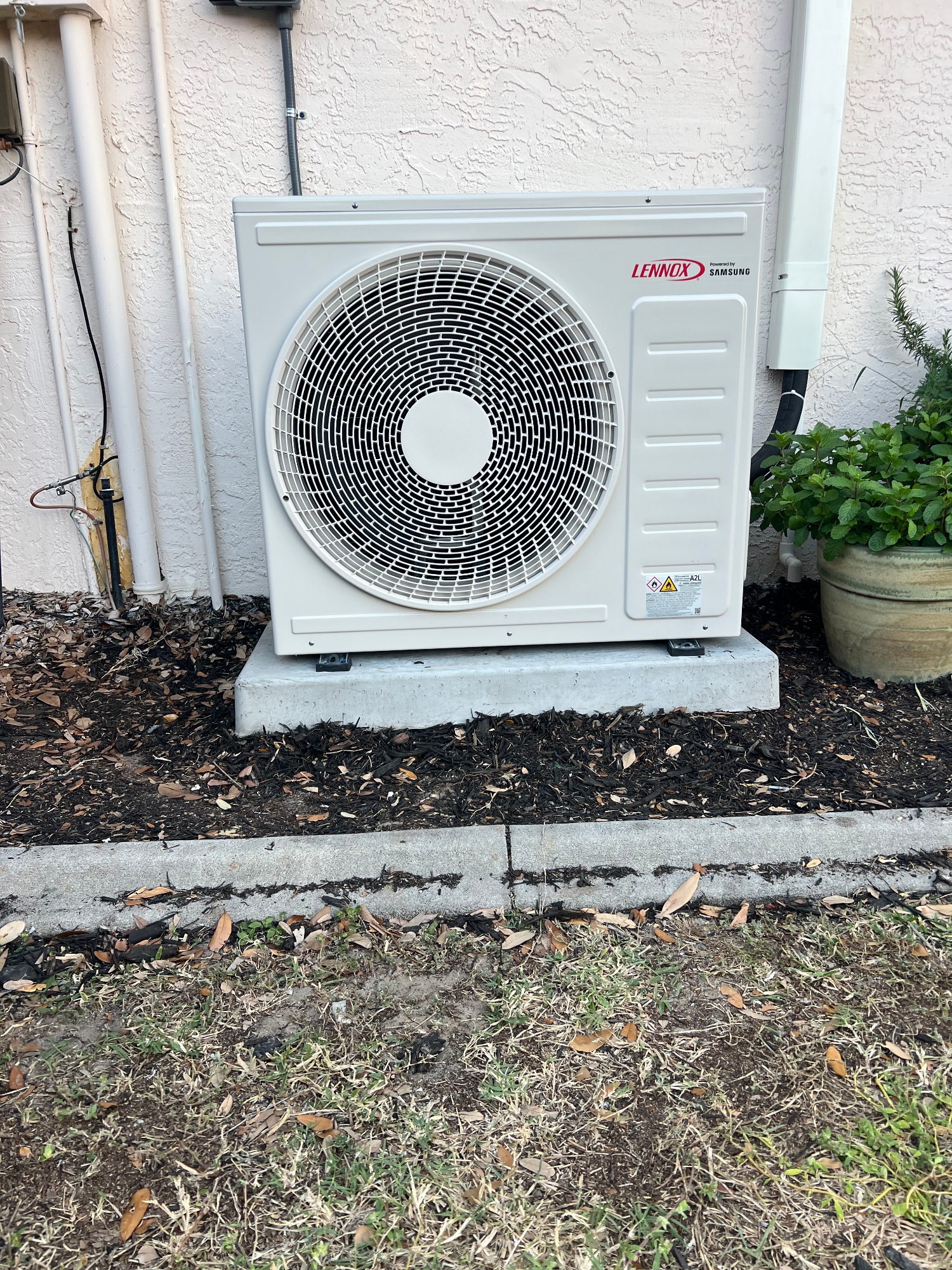
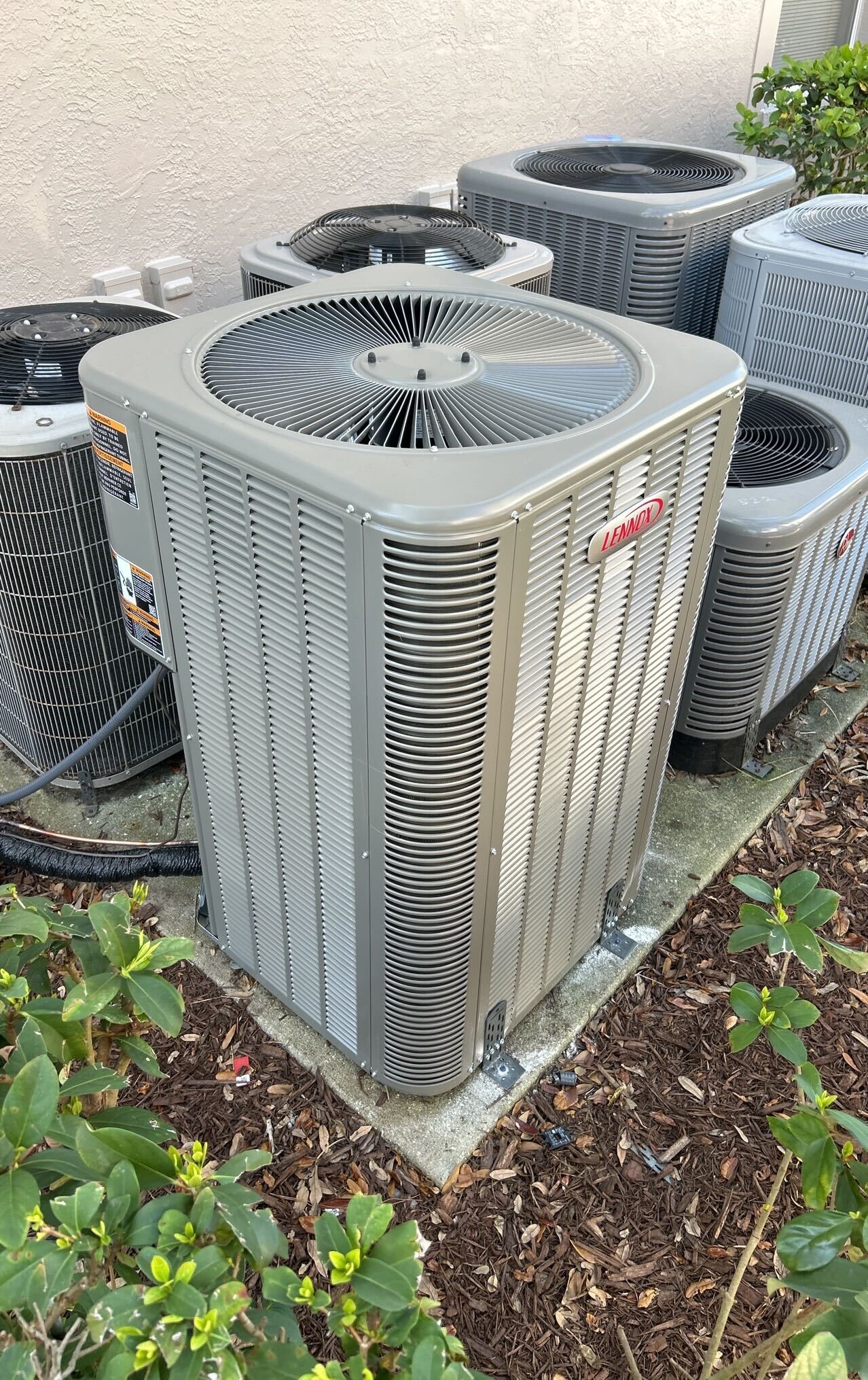
Another frequent issue is a dirty outdoor condenser unit. Grass clippings, leaves, and dirt can coat the outdoor coils and block heat release. This stops the cooling cycle from working properly even though the unit appears to run normally.
Refrigerant leaks, frozen evaporator coils, and failed capacitors also cause ac not cooling but running problems. Each of these requires different checks and solutions.
When your indoor unit runs but the outdoor unit stays silent, your system cannot complete the cooling cycle. The outdoor unit contains the compressor and condenser that actually remove heat from your home. Without it running, only warm air circulates through your vents.
This problem usually points to electrical issues like a tripped breaker, blown fuse, or failed capacitor. Check your electrical panel for any tripped breakers labeled for your AC system. Reset any tripped breakers and see if the outdoor unit starts.
A bad capacitor is another common cause in Sarasota Springs due to the hot climate. Capacitors help start the compressor and fan motors. When they fail, you might hear a humming sound from the outdoor unit without any actual movement.
Your thermostat wiring could also have a problem that prevents the signal from reaching the outdoor unit. Faulty contactors or a failed compressor itself can also stop the outdoor unit while the indoor blower keeps running.
Yes, restricted airflow causes your ac to run without cooling even when refrigerant levels are perfect. Your system needs proper airflow to transfer heat effectively. When air cannot move freely, the cooling process breaks down.
Blocked vents and registers throughout your home reduce the air volume your system can cool. Walk through your rooms and make sure furniture, curtains, or boxes aren't blocking your supply or return vents.
Dirty evaporator coils inside your air handler also restrict airflow. These coils collect dust over time and form a barrier that prevents heat absorption. This makes your system run continuously without reaching your desired temperature.
A failing blower motor or worn blower wheel can reduce air movement even when the motor seems to run. The blower might spin slower than needed or create weak airflow that doesn't reach all your rooms. Ductwork problems like disconnected or crushed ducts also limit airflow and cooling capacity.
Your AC motors can appear to run normally while being too weak to provide adequate cooling. This happens when motors age and lose power but don't fail completely. The compressor might hum and vibrate without building enough pressure to move refrigerant properly.
Weak capacitors cause motors to run at reduced strength. A capacitor that has lost some capacity will allow the motor to start but not provide full power. Your outdoor fan might spin slowly or your compressor might not reach full pressure.
You might notice the outdoor fan blade turning very slowly compared to normal operation. The compressor may feel warm to the touch but not produce the usual vibration that indicates proper operation. These signs mean the motors run but cannot perform their cooling job effectively.
Bearings inside motors can also wear out and create drag that reduces motor strength. The motor works harder and draws more electricity but delivers less cooling power to your home.
Low refrigerant typically gets checked after basic issues are ruled out because it requires professional tools and cannot be easily observed. Refrigerant does not get "used up" in normal operation, so low levels always indicate a leak that needs repair.
Low refrigerant indicates a leak, and refrigerant handling must follow federal requirements. According to the U.S. EPA Section 608 program, it is prohibited to intentionally vent refrigerants and their substitutes during maintenance, service, repair, or disposal of AC equipment.
Signs of low refrigerant include ice buildup on the refrigerant lines or evaporator coil, hissing sounds near the refrigerant lines, and higher electric bills without increased cooling. Your system might run constantly without reaching the set temperature.
Technicians check refrigerant levels later in the diagnosis process because many other problems mimic low refrigerant symptoms. Dirty coils, restricted airflow, and weak motors all cause similar cooling failures. Checking these first saves time and prevents unnecessary refrigerant work.
Refrigerant leaks require leak detection, repair, and proper recharging by licensed technicians. The leak must be fixed before adding refrigerant, or the problem will return. Florida's heat and humidity can speed up corrosion that leads to refrigerant leaks in older systems.
Florida's high humidity creates unique problems that make AC systems struggle to cool homes properly. Moisture in the air forces components to work harder, clogs up parts faster, and can mask the real source of cooling failures.
Humidity increases “feels-like” heat, which is why no-cool symptoms feel worse in Florida. Per NOAA/National Weather Service Heat Index guidance, apparent temperature is driven by air temperature and relative humidity, and direct sun can raise heat index values by up to 15°F.
Humid air carries more moisture, which acts like a magnet for dust, pollen, and other particles floating in your home. When this moist air passes over your AC's evaporator and condenser coils, the water droplets trap debris on the metal surfaces.
The constant wetness in Florida creates an environment where dirt sticks and builds up quickly. Your coils can develop a thick layer of grime in just a few months instead of taking a year or more in drier climates.
Mold and mildew grow easily on damp, dirty coils. These biological contaminants add another layer of buildup that blocks airflow and reduces your system's ability to transfer heat. The coils need to stay clean to work properly, but Sarasota Springs humidity makes this nearly impossible without regular maintenance.
Salt air near the coast makes the problem worse by corroding metal components while they're already dealing with moisture and dirt buildup.
Your AC works by absorbing heat from indoor air through the evaporator coil and releasing it outside through the condenser coil. When dirt and grime coat these coils, they create an insulating barrier that blocks heat transfer.
The refrigerant inside the coils can't absorb or release heat efficiently when the metal surfaces are covered. This means your system runs longer cycles but produces less cool air. You'll notice your AC blowing warm air even though it's running constantly.
Dirty coils force your compressor to work harder to achieve the same cooling effect. This extra strain increases your energy bills and can lead to premature equipment failure. The reduced efficiency means your home stays uncomfortable even when the system never shuts off.
Common signs of dirty coil problems:
Airflow problems and electrical failures can both cause poor cooling, but they show different warning signs. Weak airflow usually means you feel some cool air from vents, but it's not strong enough to cool the whole house.
Airflow problem symptoms:
Electrical problem symptoms:
Airflow issues typically develop gradually as filters and coils get dirtier. Electrical problems often appear suddenly when a component fails or a connection breaks.
Both refrigerant leaks and airflow restrictions prevent proper cooling, but you can identify which one you're dealing with by watching specific indicators. Refrigerant leaks create unique symptoms that don't appear with simple airflow blockages.
Refrigerant leak indicators:
Airflow problem indicators:
A refrigerant leak causes your system to lose cooling capacity even with good airflow. You might notice the AC blowing warm air in Sarasota Springs homes gets worse over weeks or months as more refrigerant escapes. Airflow problems usually affect the amount of air moving through your home rather than the temperature of that air.
You can identify several common issues on your own by checking your thermostat settings, airflow strength, and visible components around your air handler. These simple checks often reveal fixable problems that don't require professional help.
Start by confirming your thermostat is set to "cool" mode rather than "heat" or "off." Set the temperature at least 5 degrees below your current room temperature to trigger the system. Check if the fan setting is on "auto" instead of "on," since the "on" setting runs the fan constantly without cooling.
Replace the batteries in your thermostat if it uses them, as low battery power can prevent proper communication with your AC unit. Look at the display screen to verify it's lit up and responding when you adjust settings. If the screen is blank or unresponsive, your thermostat may need replacement or the circuit breaker might be tripped.
Wait about 5 minutes after adjusting the temperature to see if cold air starts flowing from your vents. The delay is normal as the system needs time to respond. If nothing changes after this waiting period, the problem likely extends beyond thermostat settings.
Hold your hand about 6 inches away from a supply vent to feel the airflow strength. Normal airflow should feel like a steady, moderate breeze that you can clearly feel on your hand. Weak airflow vents in Sarasota Springs, FL homes often indicate a dirty air filter blocking air movement through your system.
Check your air filter location, which is typically near the return air vent or inside the air handler. A clogged filter appears gray or brown instead of white and restricts airflow significantly. Replace disposable filters or clean reusable ones according to manufacturer guidelines.
Compare airflow between different vents throughout your home. If some vents blow strongly while others are weak, you might have blocked ducts or closed dampers. Make sure all supply vents are fully open and nothing is blocking them like furniture or curtains.
Inspect the area around your indoor air handler for any water pooling on the floor or drip pan. Standing water indicates a clogged condensate drain line, which can cause your system to shut down as a safety measure. Look for the drain line, which is typically a PVC pipe coming from the unit.
Check if you can see visible ice formation on the refrigerant lines or evaporator coil. Ice buildup prevents proper cooling and usually results from restricted airflow or low refrigerant levels. If you spot ice, turn off your system immediately and let it thaw completely before restarting.
Listen for unusual sounds coming from the air handler like grinding, squealing, or banging noises. These sounds often signal mechanical problems that require professional attention. Normal operation should be relatively quiet with just a gentle humming sound.
Never attempt to add refrigerant yourself or open any sealed components of your AC system. Refrigerant handling requires special certification and equipment, and improper handling can damage your system or harm your health. Avoid adjusting your thermostat to extremely low temperatures thinking it will cool faster, as this only forces your system to work harder without improving performance.
Don't ignore ice buildup by continuing to run your AC. Running a frozen unit can damage the compressor, which is one of the most expensive components to replace. Turn off the system and switch the fan to "on" to help the ice melt faster.
Resist the urge to poke objects into drain lines or vents to clear blockages yourself. You could puncture important components or push blockages deeper into the system. Keep all access panels closed and secured, as these protect electrical components and maintain proper airflow paths within your unit.
HVAC technicians follow a specific order when diagnosing a non-cooling system. They start with the most common Florida-specific issues like drain lines, then move to frequently failing parts like capacitors, before tackling more complex electrical problems or refrigerant issues.
Florida's high humidity causes AC units to produce large amounts of condensation. Your drain line removes this water, but it often clogs with algae, mold, and debris in the warm climate.
When a drain line backs up, the float switch triggers and shuts down your system to prevent water damage. This is a safety feature, not a malfunction. Your AC isn't broken—it's just protecting your home.
A technician will check the drain pan for standing water first. They'll inspect the float switch to see if it's activated. If the line is clogged, they'll clear it using a wet vac or specialized cleaning solution.
This check takes only a few minutes but solves a large percentage of no-cool calls in Sarasota Springs. The repair\ is simple and costs less than most other fixes.
Capacitors store electrical energy to start your compressor and fan motors. They fail more often in Florida because extreme heat breaks down their internal components faster than in cooler climates.
A technician will test capacitors using a multimeter to measure microfarads. Each capacitor has a specific rating printed on its side. If the reading is more than 10% off from this number, the capacitor needs replacement.
Signs of a failing capacitor include:
Your technician checks both the start capacitor and the run capacitor. These small parts cost between $20-50 but cause complete system failure when they go bad. Testing takes about five minutes, and replacement takes another ten.
If drain lines and capacitors check out fine, your technician moves to control boards and electrical components. This happens when the simpler fixes don't solve the problem.
Control boards manage communication between your thermostat and AC components. A technician will check for error codes on the board's LED display. These codes reveal specific problems with sensors, relays, or communication failures.
They'll test voltage at various connection points using a multimeter. Low voltage or voltage spikes indicate wiring problems or a failing transformer. Burned marks on the board or loose connections are visual clues that point to electrical issues.
Contactor switches get tested next. These switches control power flow to the compressor and fan. Your technician will look for pitting or wear on the contact points and test if the coil engages properly when power is applied.
Refrigerant checks happen after ruling out electrical and mechanical issues. Your system doesn't use up refrigerant during normal operation, so low levels always mean a leak exists.
A technician measures pressure at the service ports on both the high and low sides of your system. They compare these readings to manufacturer specifications for your outdoor temperature. Low pressure indicates insufficient refrigerant.
Finding the leak location requires additional steps. Electronic leak detectors sense refrigerant in the air around connections and coils. UV dye can be added to the system to make tiny leaks visible under black light.
Common refrigerant leak signs in Sarasota Springs, FL include:
Small leaks in accessible areas can be repaired by brazing the damaged section. Large leaks or coil damage often require component replacement. After repair, the technician will evacuate the system, check for remaining leaks, then recharge it to the proper level.
When your AC is running but not cooling in Sarasota Springs, FL, the fastest path to a real fix is narrowing the problem down to airflow, heat rejection, or refrigerant performance. A dirty filter, blocked return, or weak blower can reduce cooling even when the system sounds “normal,” and Florida humidity can amplify discomfort when airflow is restricted.
If you’re getting weak airflow at vents in Sarasota Springs, FL or the system is blowing warm air, turn the thermostat to “off,” verify the filter and vents are clear, and check that the outdoor unit is clean and unobstructed. If you see ice on the indoor coil or refrigerant line, leave the system off to thaw—running a frozen system can worsen damage and delay the repair.
When basic checks don’t restore cooling, the cause is often deeper: failing capacitors, coil contamination, or refrigerant leak signs in Sarasota Springs, FL such as gradual loss of cooling, recurring coil freeze-ups, or unusual hissing near the lines. A technician can confirm airflow, electrical starting components, and refrigerant pressures in a specific order so the fix addresses the root cause—not just the symptom.
Call Gary Air to request same-day AC repair in Sarasota Springs—our technicians will diagnose the no-cool issue, restore proper cooling, and verify safe operation before you’re stuck with warm air again.