


Prepare your AC for Sarasota Springs summer heat. Learn essential tune-up steps, improve efficiency, prevent breakdowns, and stay comfortable.
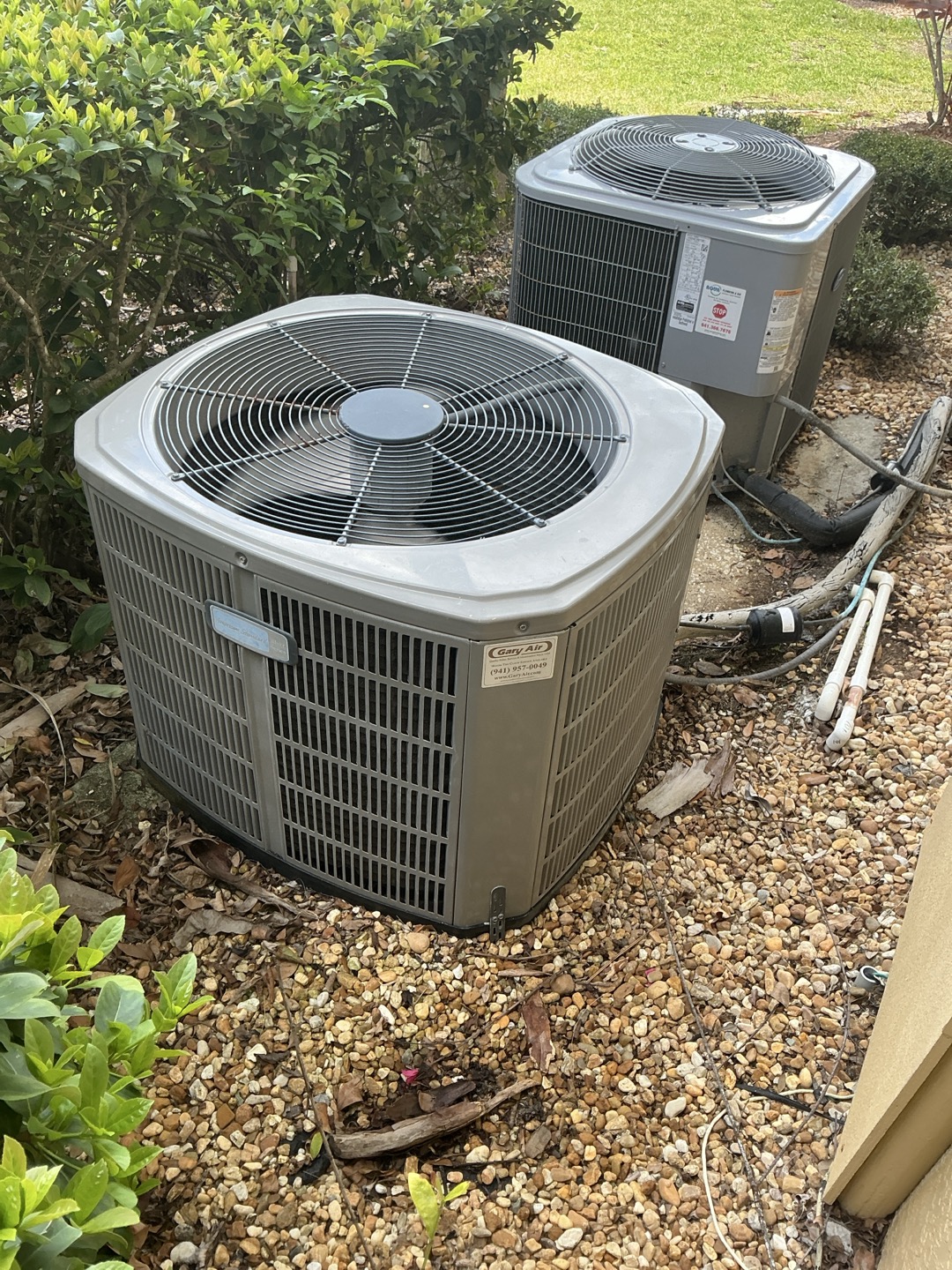
Summer in Sarasota Springs brings intense heat and high humidity that puts your air conditioning system to the test. Getting an AC tune-up before the hottest months arrive helps you avoid breakdowns when you need cooling the most. Pre-season maintenance catches small problems before they turn into expensive repairs and keeps your system running efficiently all summer long.
Scheduling AC maintenance in the spring prepares your system for Florida's long cooling season and helps prevent unexpected failures during peak heat. Many homeowners wait until their AC stops working to call for service, but that often means dealing with uncomfortable temperatures and higher repair costs. A proactive approach saves you money on energy bills and extends the life of your equipment.
This guide covers the benefits of off-season maintenance, common system failures you can avoid, and the key tasks that keep your AC in top shape. You'll also learn what you can do as a homeowner to support your system between professional visits.
Scheduling AC maintenance before Florida's peak summer heat offers distinct advantages over waiting until temperatures climb. These benefits range from easier scheduling to preventing minor issues from turning into major failures during heavy use periods.
HVAC technicians in Sarasota Springs face overwhelming demand once summer temperatures reach the 90s. When your AC breaks down in July, you might wait days or even weeks for service.
Off-season maintenance appointments give you flexible scheduling options. Technicians have more availability between November and March, which means you choose times that work best for your schedule. They can also spend more time on thorough inspections without rushing to the next emergency call.
Pre-season service ensures your system gets checked before you depend on it daily. If technicians find problems during maintenance, you have time to order parts and schedule repairs without sweating through Florida's humidity.
Small AC problems become major failures when systems run constantly through Florida summers. A refrigerant leak that starts minor in April can leave you without cooling by June when outdoor temperatures stay above 85°F for months.
Worn fan belts, loose electrical connections, and dirty coils all worsen under continuous operation. Your system works nearly year-round in Florida's climate, which means parts deteriorate faster than in states with true off-seasons.
Catching these issues early prevents breakdowns during peak usage. A $150 spring tune-up might identify a failing capacitor that would otherwise cause a $1,200 compressor replacement in summer. Off-season inspections give you time to address problems before they cascade into expensive emergency repairs.
Florida's humidity levels create specific maintenance needs that differ from drier climates. Your AC removes moisture from indoor air, which collects in the condensate drain system.
Drain lines clog with algae and mold growth in humid conditions. These blockages cause water backup that can damage your home's ceiling and walls. Regular pre-season cleaning prevents these clogs before summer's peak moisture production begins.
Common humidity-related problems:
Addressing these moisture issues during off-season maintenance keeps your system running efficiently when humidity levels climb above 70%.
An AC maintenance schedule Florida homeowners follow consistently extends equipment lifespan by three to five years. Regular tune-ups cost $75 to $200, while replacing an entire system runs $5,000 to $12,000.
Pre-season maintenance reduces your monthly energy bills by keeping systems at peak efficiency. Clean coils and proper refrigerant levels lower electricity consumption by 15% to 20%. Over a five-month summer, these savings often exceed the maintenance cost.
Your manufacturer's warranty typically requires annual professional service. Missing scheduled maintenance can void warranty coverage, leaving you responsible for expensive repairs. Documentation from spring tune-ups proves you maintained the system according to warranty requirements.
Planning maintenance before summer also lets you budget for any needed repairs. You avoid emergency expenses that strain your finances during vacation season or back-to-school shopping.
AC systems fail most often due to four specific mechanical issues that routine maintenance can catch early. Capacitor problems, clogged drain lines, dirty coils, and worn electrical components account for the majority of summer breakdowns in Sarasota Springs.
Your AC capacitor stores electrical energy to start the compressor and fan motors. When it fails, your system won't start at all or will struggle to maintain cooling.
Capacitors wear out faster in Florida's heat because high temperatures degrade the internal components. A weak capacitor forces your compressor to work harder, which increases energy use and can damage the motor. Most capacitors show warning signs before complete failure, including humming sounds from the outdoor unit, intermittent cooling, or a system that takes multiple attempts to start.
A technician can test capacitor strength during a tune-up using a multimeter. They measure microfarads to determine if the capacitor is within manufacturer specifications. Replacing a failing capacitor costs much less than emergency repairs or motor replacement, which helps you prevent emergency AC repair Florida situations during peak summer heat.
Your AC removes humidity from indoor air, which creates condensation that drains through a small pipe. When algae, mold, or debris blocks this line, water backs up into the drain pan.
Modern systems have a float switch that shuts down your AC when water reaches a certain level. This safety feature prevents water damage to your home, but it means your cooling stops working on the hottest days. A completely blocked drain line can overflow and cause ceiling damage or wall staining if the float switch fails.
Regular maintenance includes flushing the drain line with a cleaning solution and checking the drain pan for cracks or rust. Technicians also inspect the float switch to verify it works properly. You can reduce blockage risks between tune-ups by pouring a cup of vinegar down the drain line quarterly.
The evaporator coil inside your home and the condenser coil outside transfer heat to cool your space. Dirt and debris on these coils create an insulating layer that blocks heat transfer.
Dirty coils force your system to run longer cycles to reach your desired temperature. This increases wear on the compressor and blower motor while raising your electric bills. The condenser coil outside collects pollen, grass clippings, and salt spray in coastal areas like Sarasota Springs. The evaporator coil can accumulate dust that passes through your filter.
A professional tune-up includes cleaning both coils with specialized solutions and equipment. Clean coils improve efficiency by 15-20% and reduce strain on motors and other moving parts.
Your AC has multiple electrical connections, contactors, and relays that control different functions. These components handle high electrical loads and degrade over time from constant use.
Loose wire connections create resistance that generates heat and can cause failures or safety hazards. Contactors develop pitting on their surfaces from thousands of on-off cycles, which prevents proper electrical contact. Aged components become more sensitive to voltage fluctuations and may fail during peak demand periods when your system runs continuously.
Technicians check all electrical connections during tune-ups, tightening terminals and testing voltage at various points. They inspect contactors for wear and test relay operation. Replacing worn electrical components before they fail prevents mid-summer breakdowns and reduces fire risks from overheated connections.
Professional maintenance involves specific technical inspections that protect your system from Florida's demanding climate. Testing electrical components, cleaning coils, checking drain lines, and evaluating refrigerant levels form the foundation of reliable summer cooling.
Your AC system relies on numerous electrical connections that can deteriorate in Florida's humid conditions. A technician should inspect all wiring, terminals, and connections for signs of corrosion or loose fittings. These issues often develop slowly and can lead to system failure during peak summer use.
Capacitors and contactors require particular attention during electrical testing. These components start your compressor and fan motors, and they commonly fail in hot weather. Your technician should measure capacitor values with a meter to verify they fall within the manufacturer's specifications.
The thermostat wiring also needs inspection. Corroded or damaged thermostat wires cause temperature reading errors and short cycling. A proper electrical assessment catches these problems before they leave you without cooling.
Dirty evaporator and condenser coils reduce your system's ability to transfer heat effectively. The evaporator coil inside your home collects dust and debris despite your air filter. Your technician should clean this coil with appropriate solutions that remove buildup without damaging the fins.
The outdoor condenser coil faces different challenges. Pollen, grass clippings, and dirt accumulate on the coil fins and block airflow. This forces your compressor to work harder and increases energy consumption.
Clean coils improve efficiency by 10-15% in most cases. Your technician should also straighten any bent fins and verify adequate clearance around the outdoor unit for proper airflow.
Your AC system removes moisture from indoor air, producing several gallons of water daily during Florida summers. The condensate drain line carries this water away from your unit. When this line clogs, water backs up and triggers your system's safety switch.
Algae and mold grow easily in drain lines due to constant moisture. Your technician should flush the line with appropriate solutions and verify water flows freely. They should also check that the drain pan shows no signs of rust or cracks.
A clogged drain line can cause water damage to your home. Proper drain maintenance prevents unexpected shutdowns during the hottest days.
Your system needs the exact amount of refrigerant specified by the manufacturer to cool effectively. Too little refrigerant means poor cooling and potential compressor damage. Too much refrigerant creates high pressure that strains system components.
A technician should measure both the suction and discharge pressures while your system runs. These readings reveal whether refrigerant levels match factory specifications. They should also check for leaks using electronic detectors or bubble solutions at connection points.
Low refrigerant always indicates a leak since systems don't consume refrigerant during normal operation. Your technician must locate and repair any leaks before adding refrigerant. This approach protects your investment and maintains proper cooling capacity throughout summer.
Taking care of your AC between professional visits helps prevent breakdowns and extends equipment life. Simple tasks like drain line maintenance and thermostat checks can save you from expensive repairs during peak cooling season.
Your condensate drain line removes moisture that your AC pulls from the air. In Florida's humid climate, these lines can clog with algae and sediment quickly.
You can flush your drain line every month using a cup of distilled white vinegar or a mixture of bleach and water. Pour the solution into the drain access point near your indoor air handler. Let it sit for 30 minutes before flushing with clean water.
Check the drain pan under your indoor unit for standing water. If you see water pooling there, your line may already be clogged. Look for a small PVC pipe outside your home where water should drip out when your system runs.
Never use drain cleaning chemicals made for sinks or toilets. These products can damage your AC's drain pan and pipes. If your line clogs frequently, a professional can install a float switch that shuts down your system before water damages your home.
Your thermostat controls when your AC runs and how much energy it uses. Test it before summer arrives to catch problems early.
Set your thermostat a few degrees below room temperature and listen for your AC to start within a few minutes. The cool air should begin flowing from your vents shortly after. If nothing happens or the system takes longer than five minutes to respond, you might have a wiring issue or a failing thermostat.
Check that your thermostat display is clear and responds to button presses. Replace batteries if your model uses them. Dust and debris around the thermostat can affect temperature readings, so wipe it clean with a dry cloth.
Compare your thermostat reading to a separate thermometer placed nearby. If the readings differ by more than two degrees, your thermostat may need recalibration or replacement.
Some AC problems start small but become expensive if ignored. Watch for these signs that mean you should call a technician:
Strange noises like grinding, squealing, or banging point to loose or damaged parts inside your system. Weak airflow from vents suggests blocked ducts, a failing blower motor, or a clogged filter that needs attention beyond regular replacement.
Ice forming on your outdoor unit or indoor coils means restricted airflow or low refrigerant. Frequent cycling where your AC turns on and off every few minutes wastes energy and stresses components.
Higher electric bills without increased use often mean your system is working harder due to a mechanical problem. Humidity problems where your home feels sticky even when the AC runs indicate your system isn't removing moisture properly.
Contact a licensed technician when you notice any of these issues. Catching problems early usually costs less than waiting until your system stops working completely.
Your AC system uses 240-volt electrical connections that can cause serious injury or death if handled incorrectly. Even small electrical mistakes can damage expensive components or create fire hazards.
Florida building codes require licensed electricians to perform electrical work on HVAC systems. If you attempt repairs yourself and something goes wrong, your homeowner's insurance may refuse to cover the damage. You could also void your equipment warranty.
Replacing a capacitor might seem simple, but choosing the wrong size can burn out your compressor. A new compressor costs between $1,500 and $3,000 installed. Wiring errors can trip breakers repeatedly or cause your system to short circuit.
Professional technicians carry liability insurance and know how to work safely around high-voltage equipment. They also have tools to test electrical components without guessing. The cost of a service call is far less than replacing damaged equipment or dealing with an electrical fire.





.avif)

